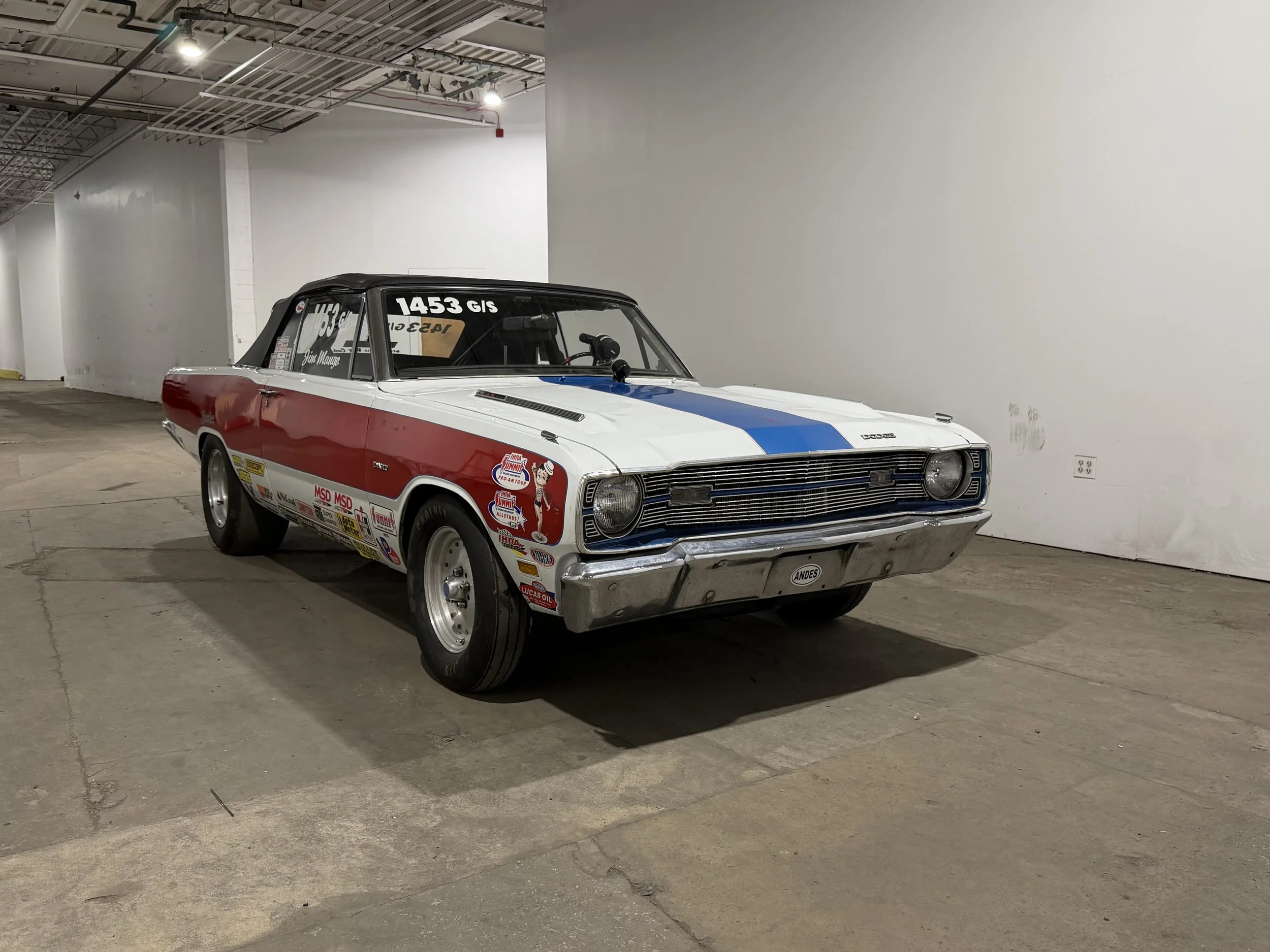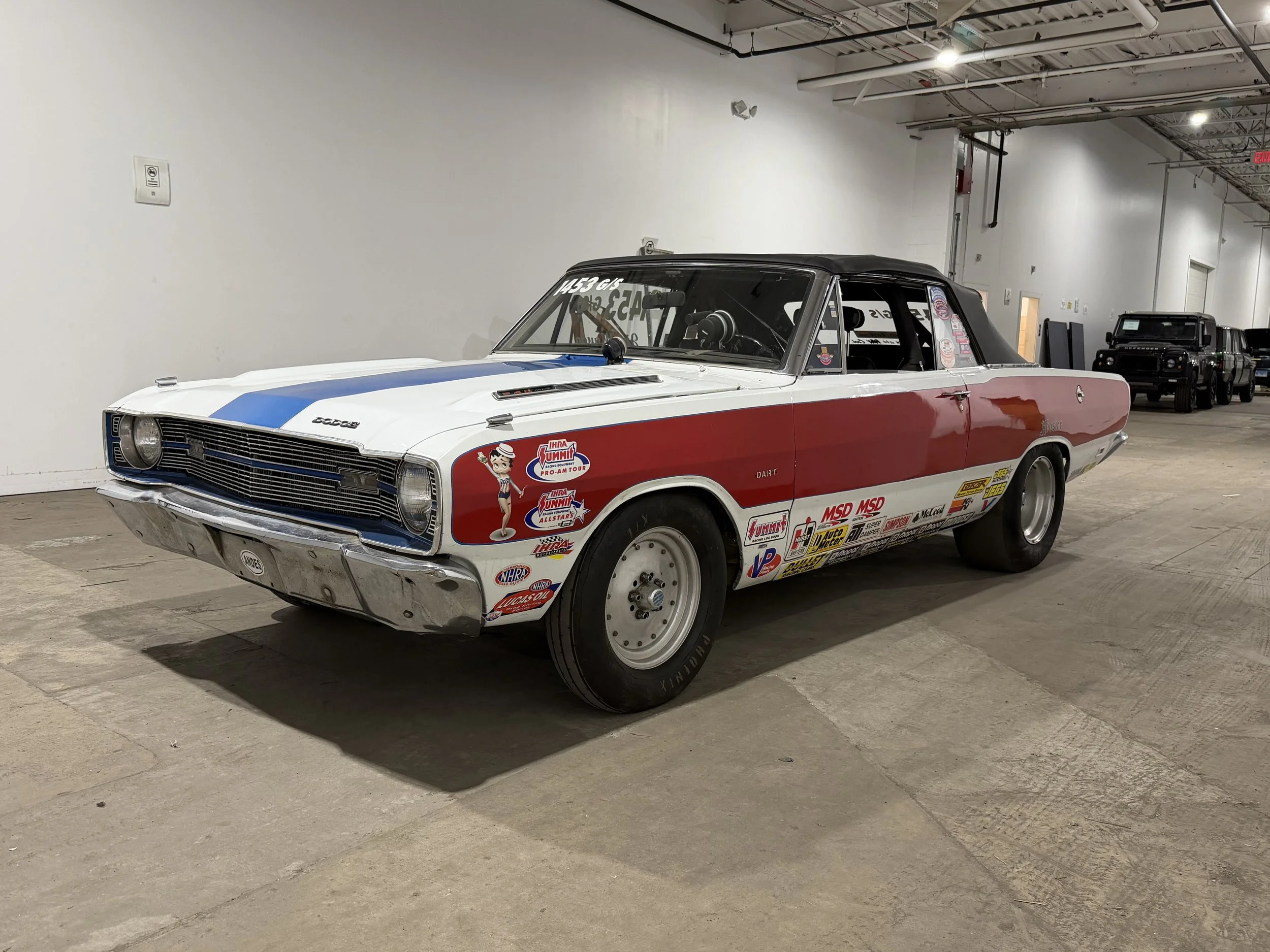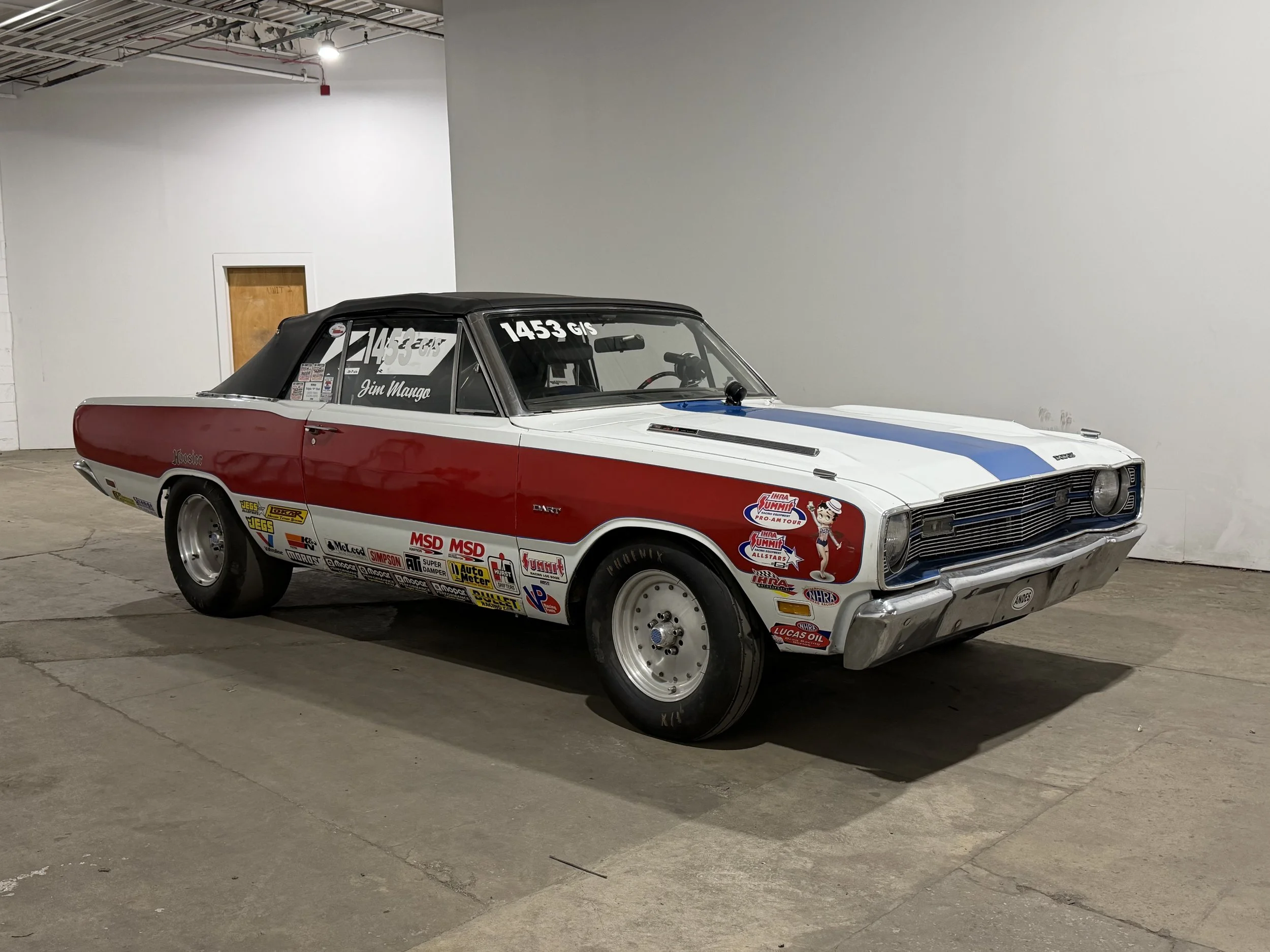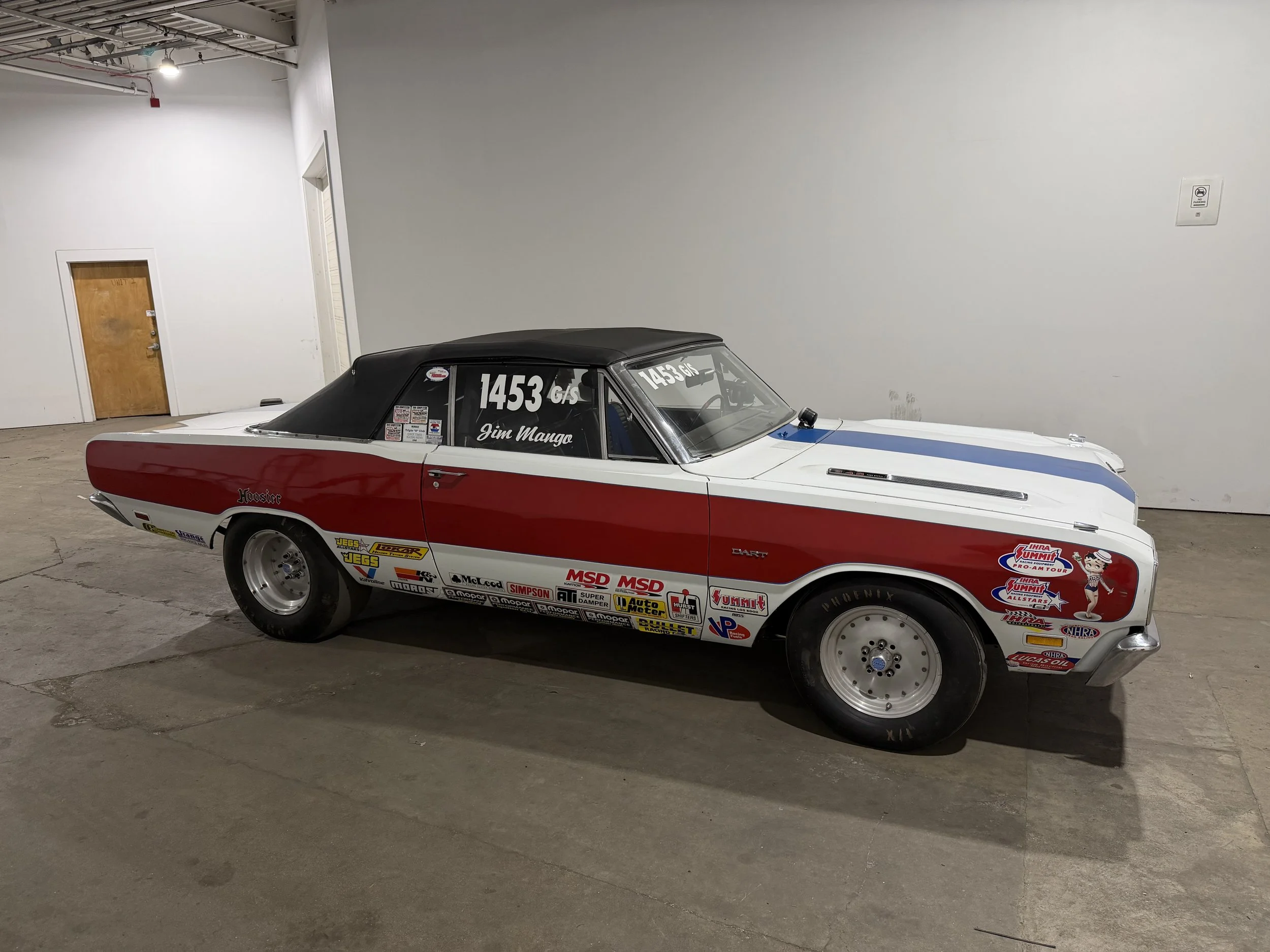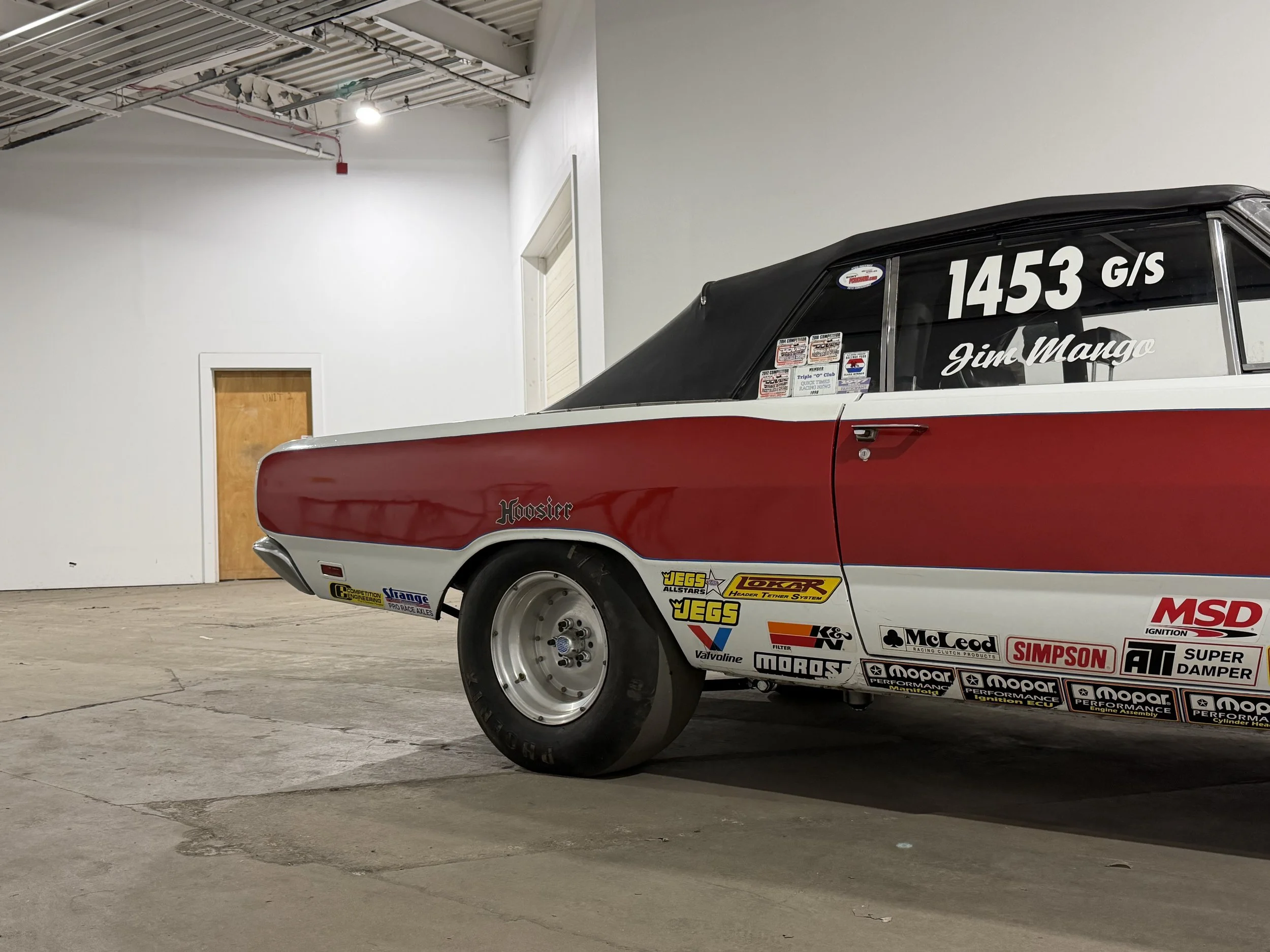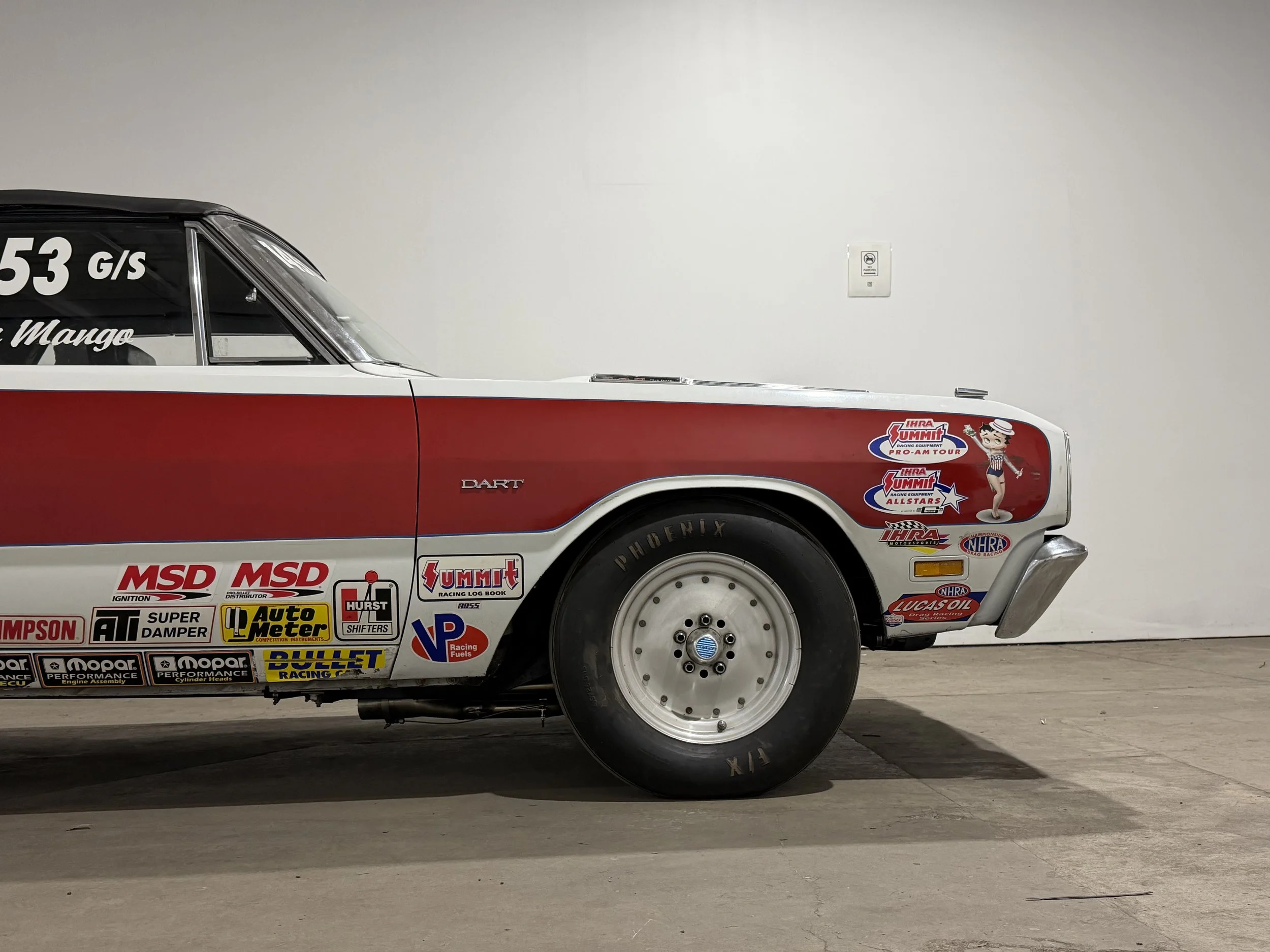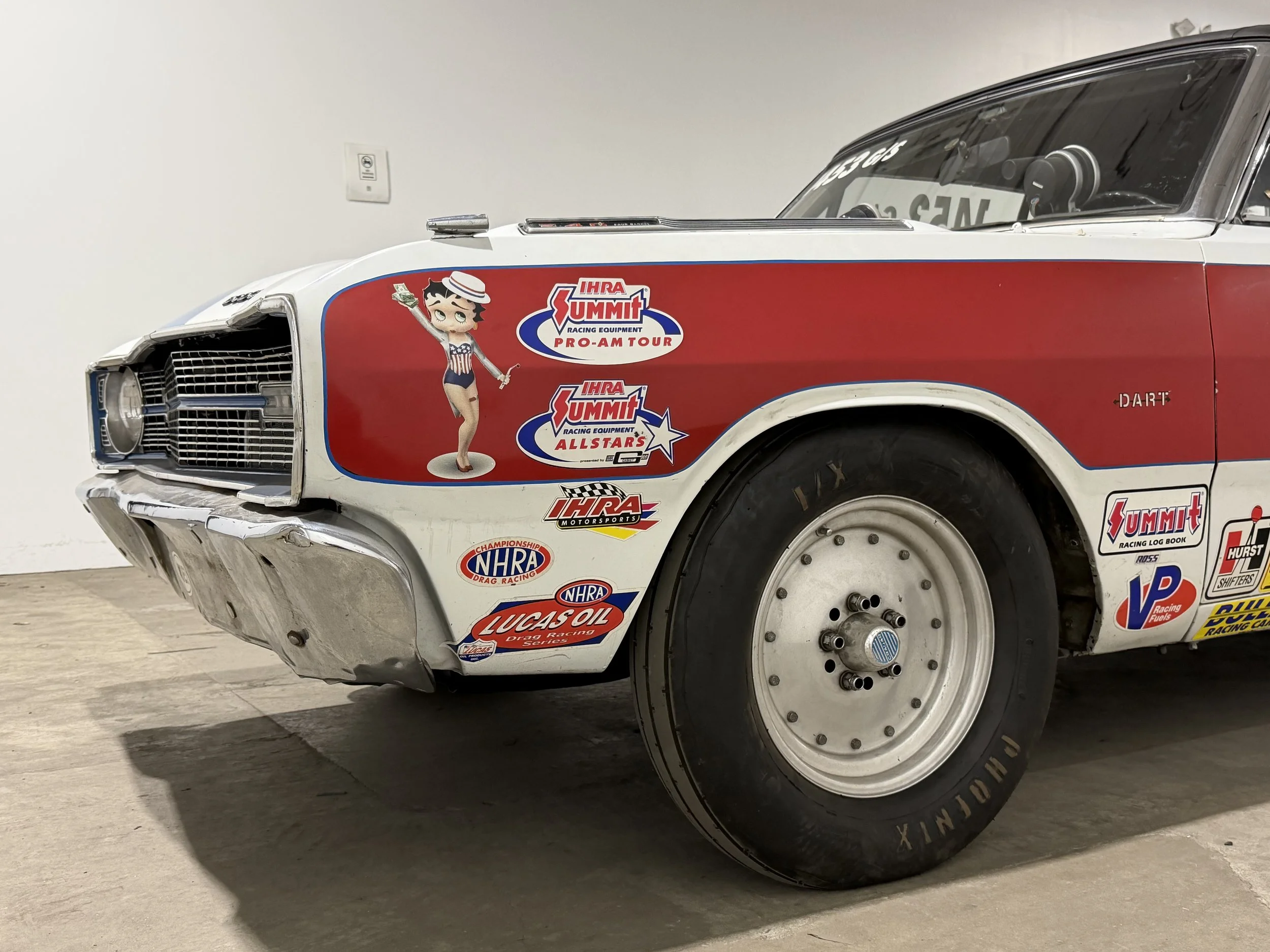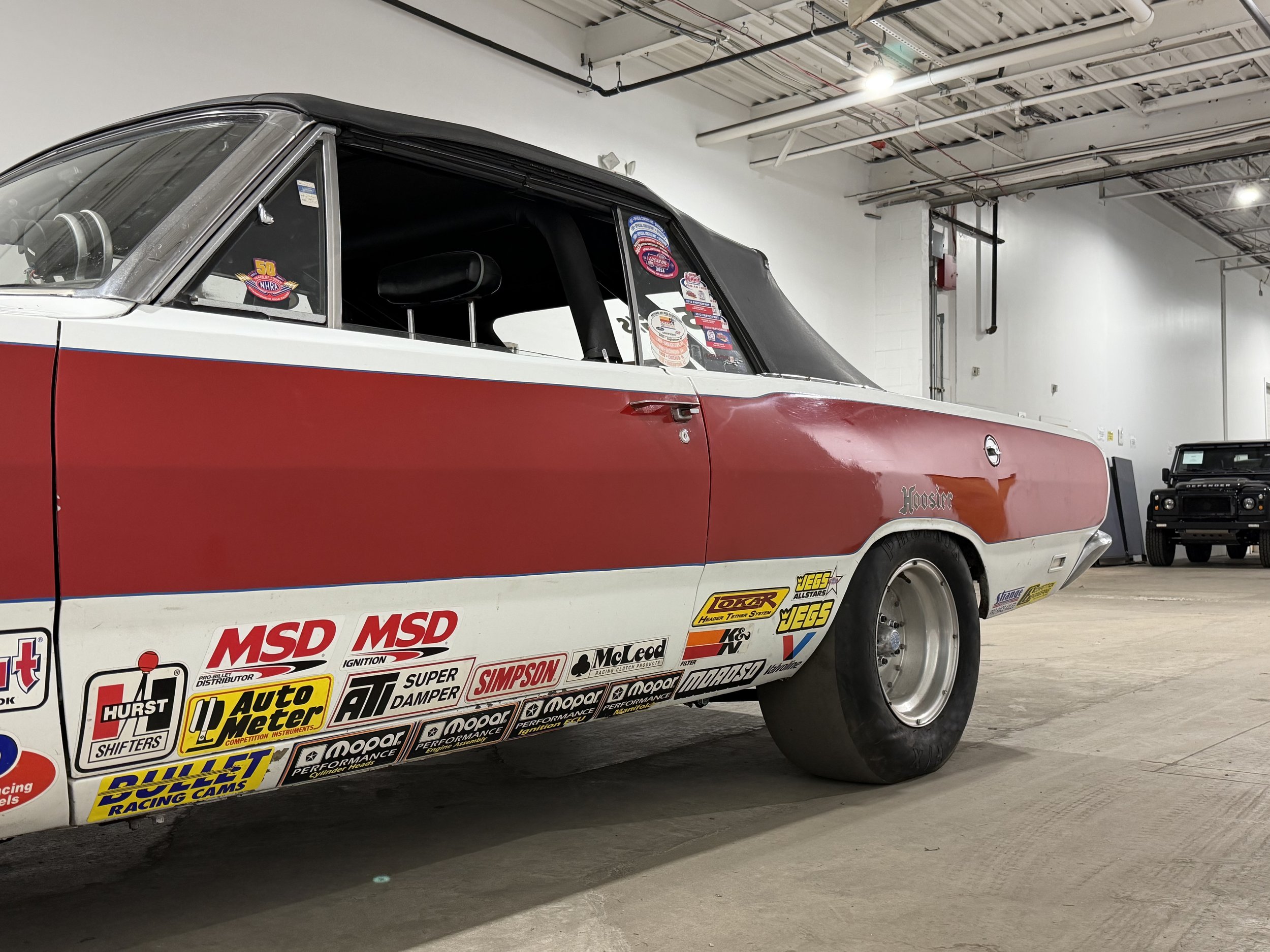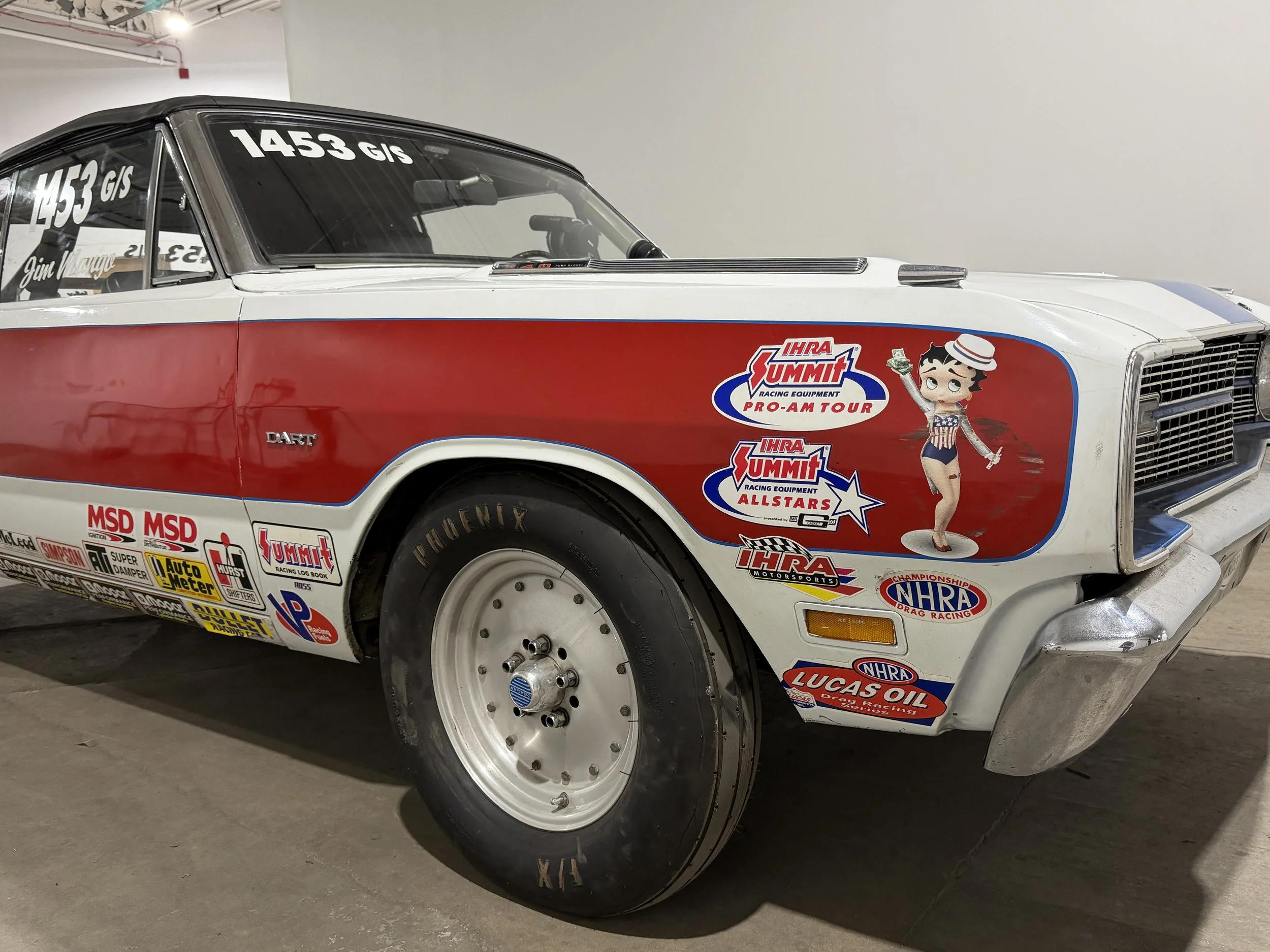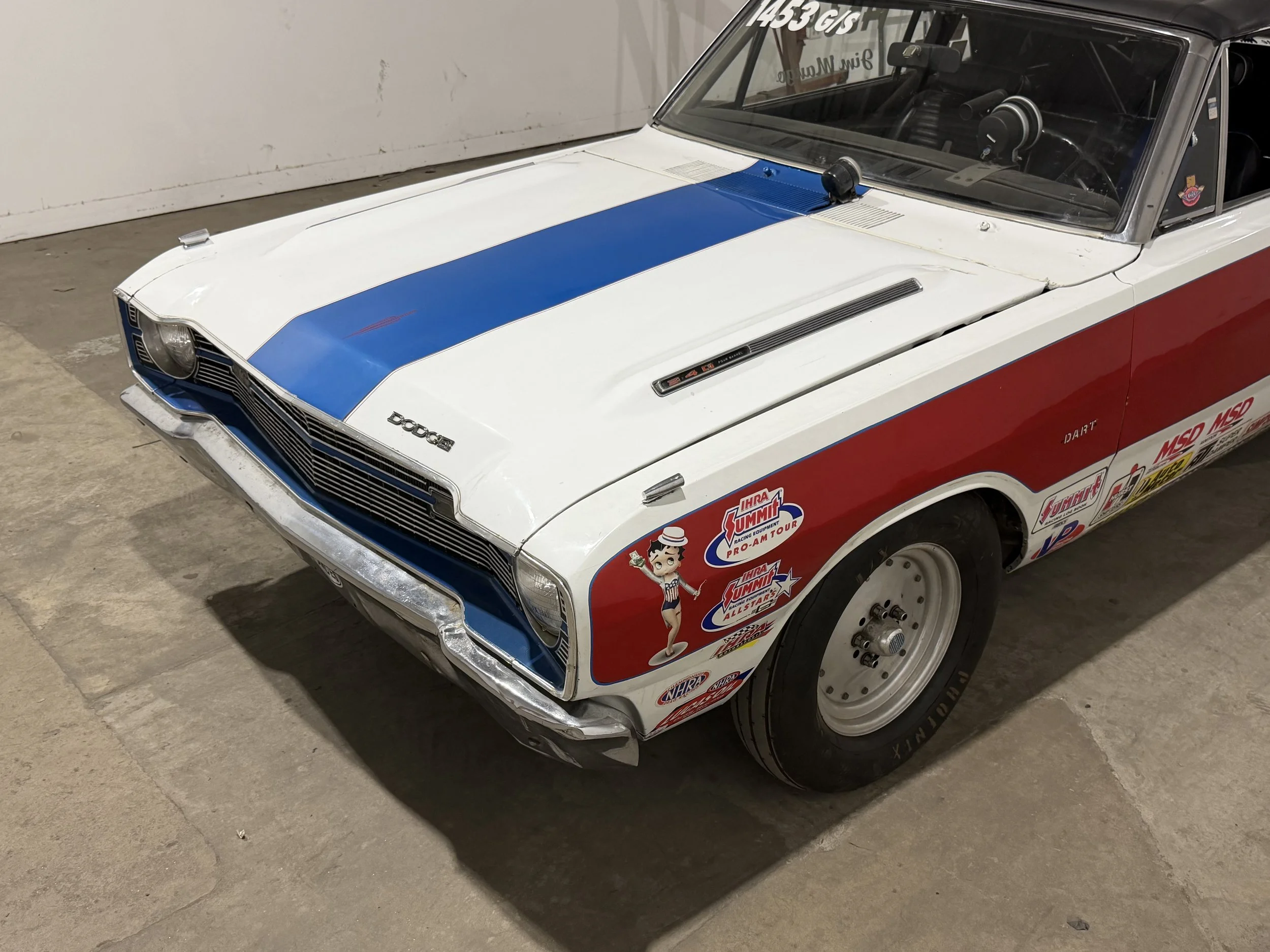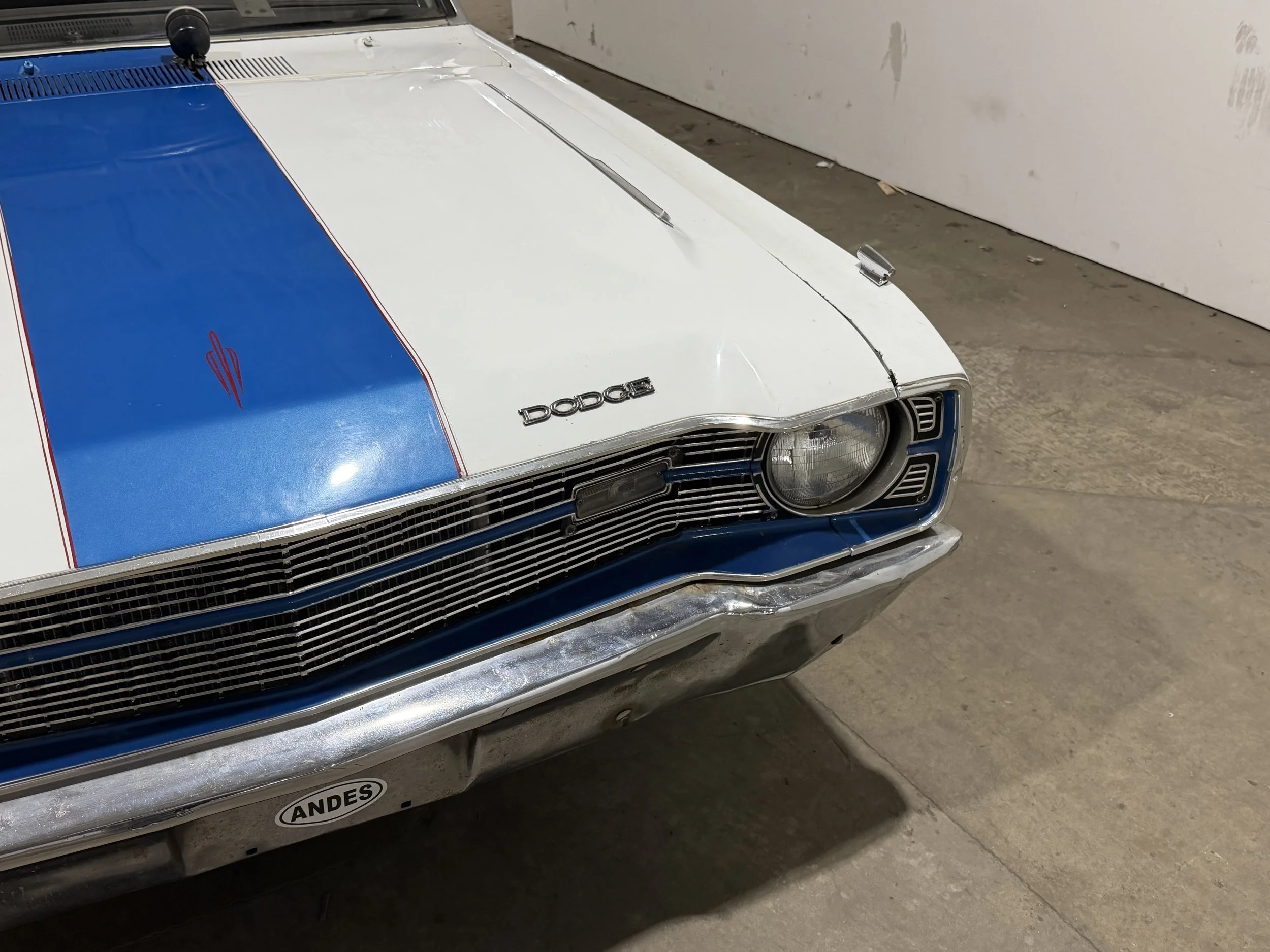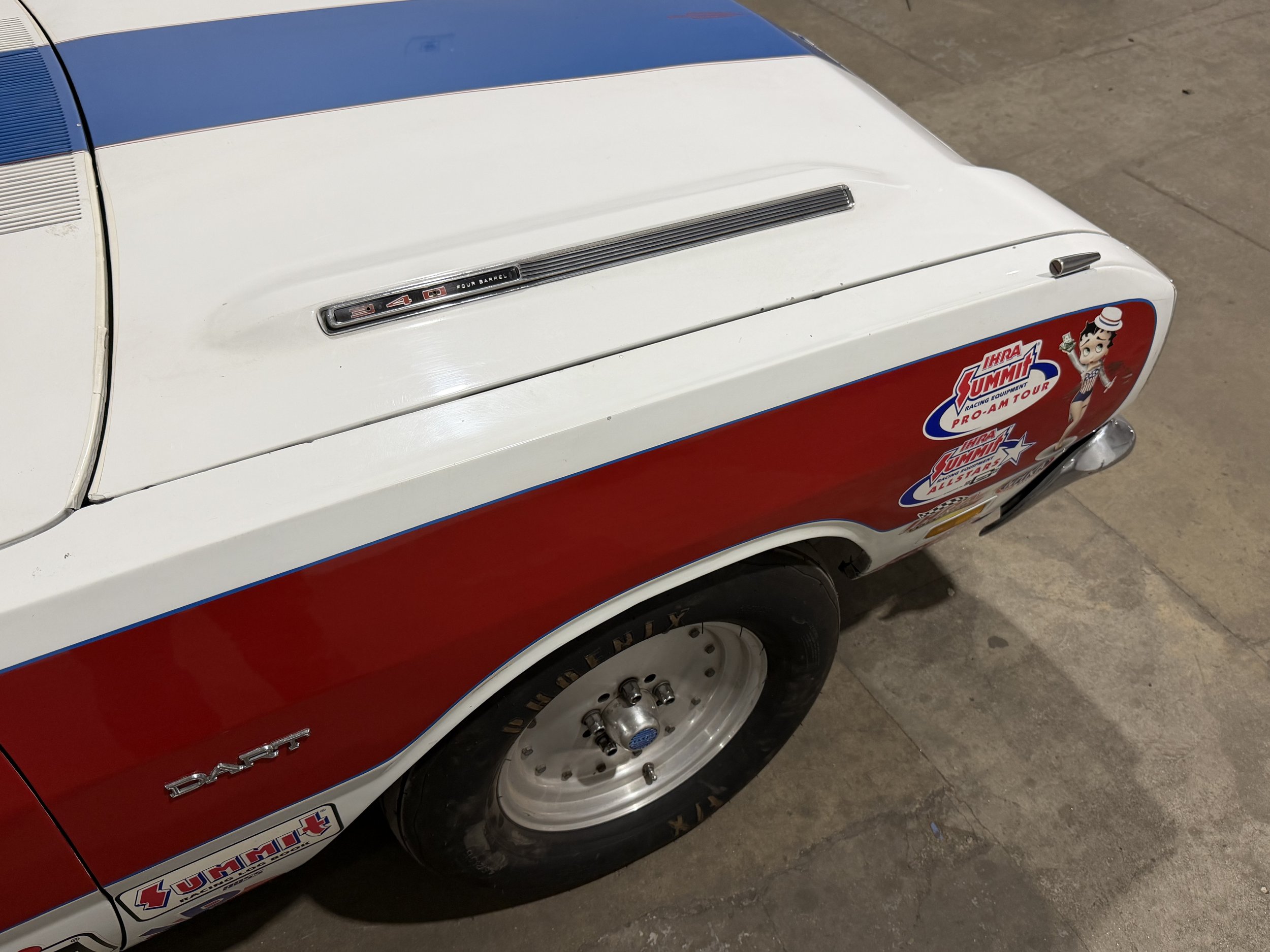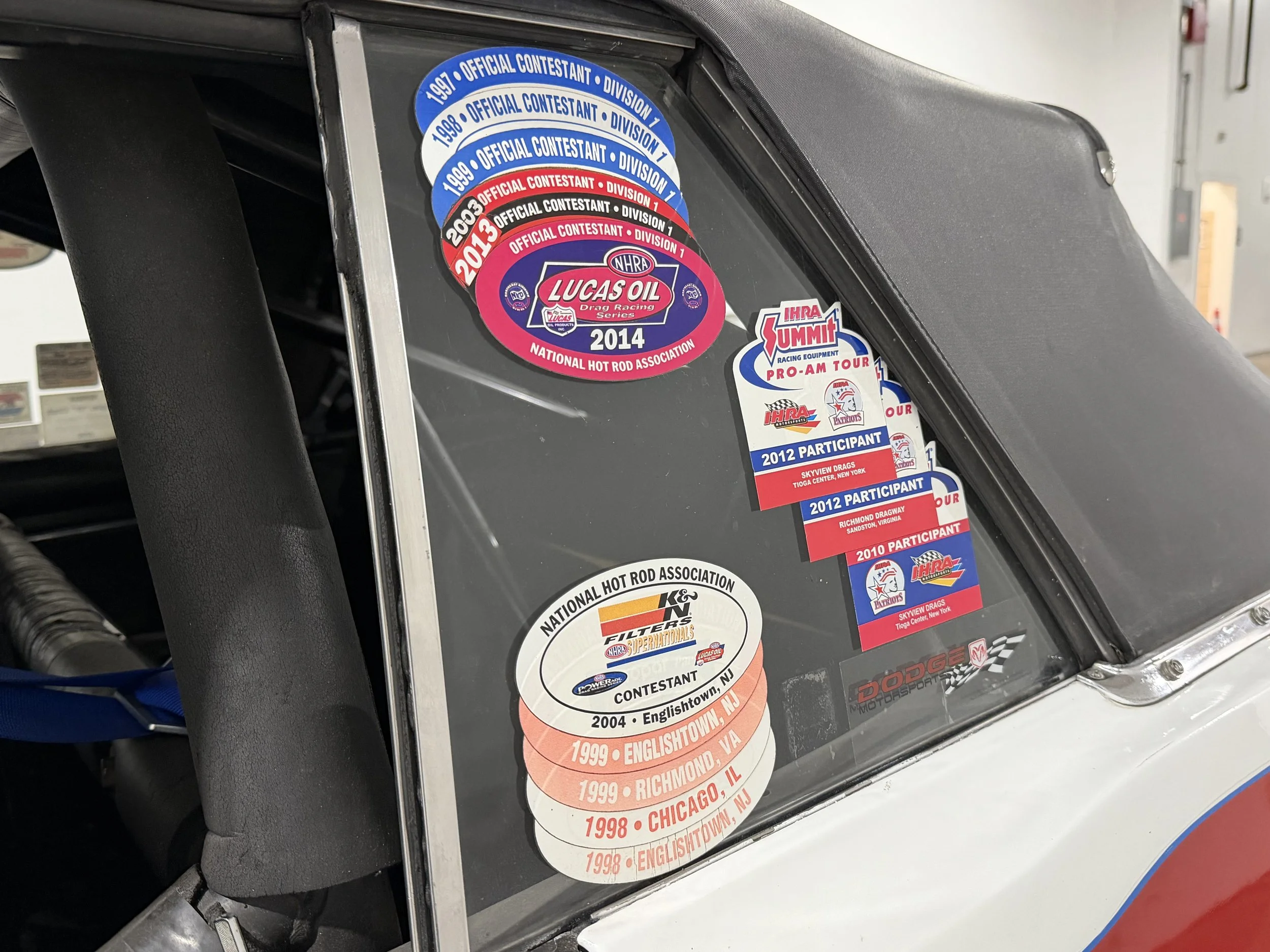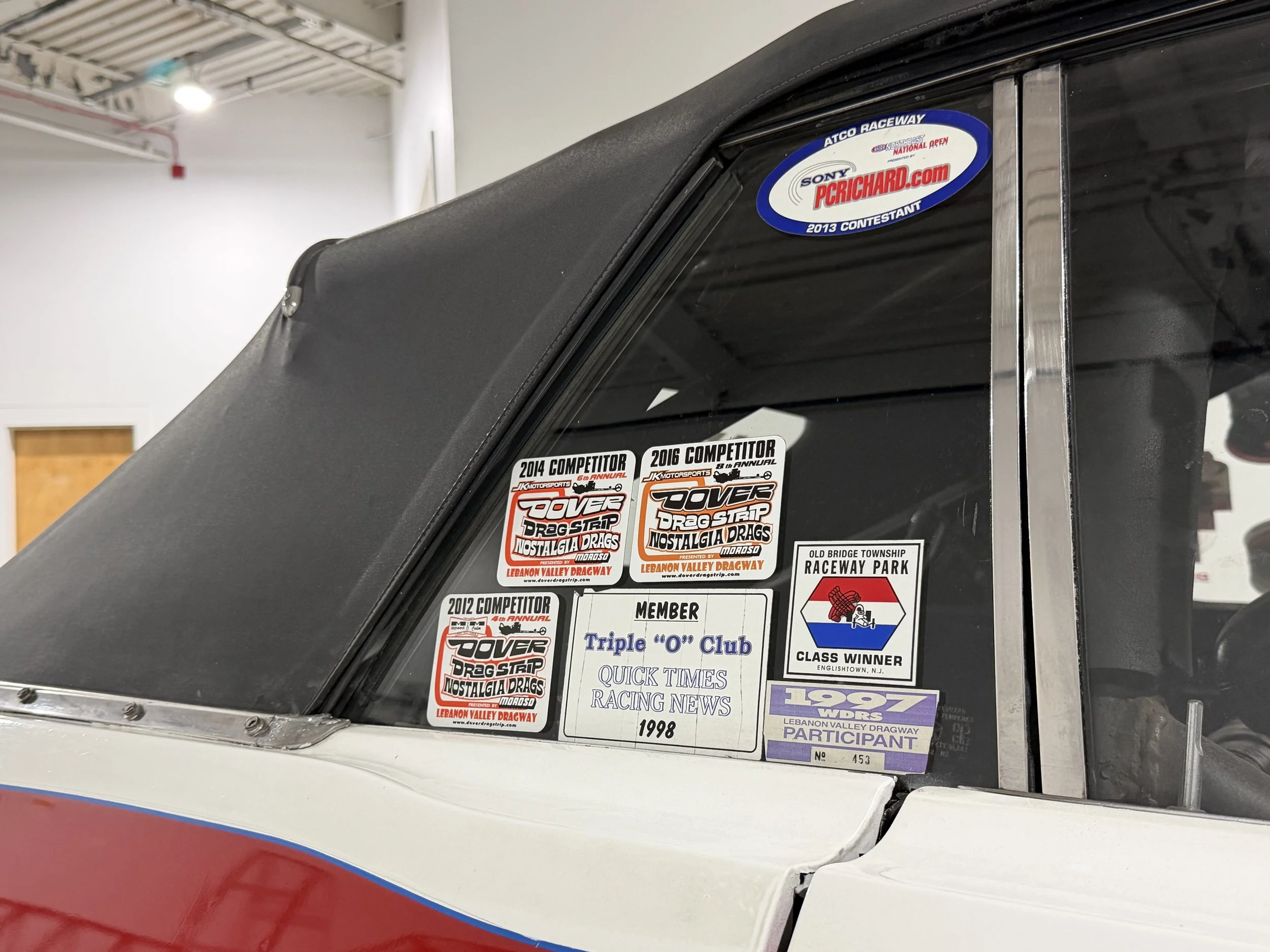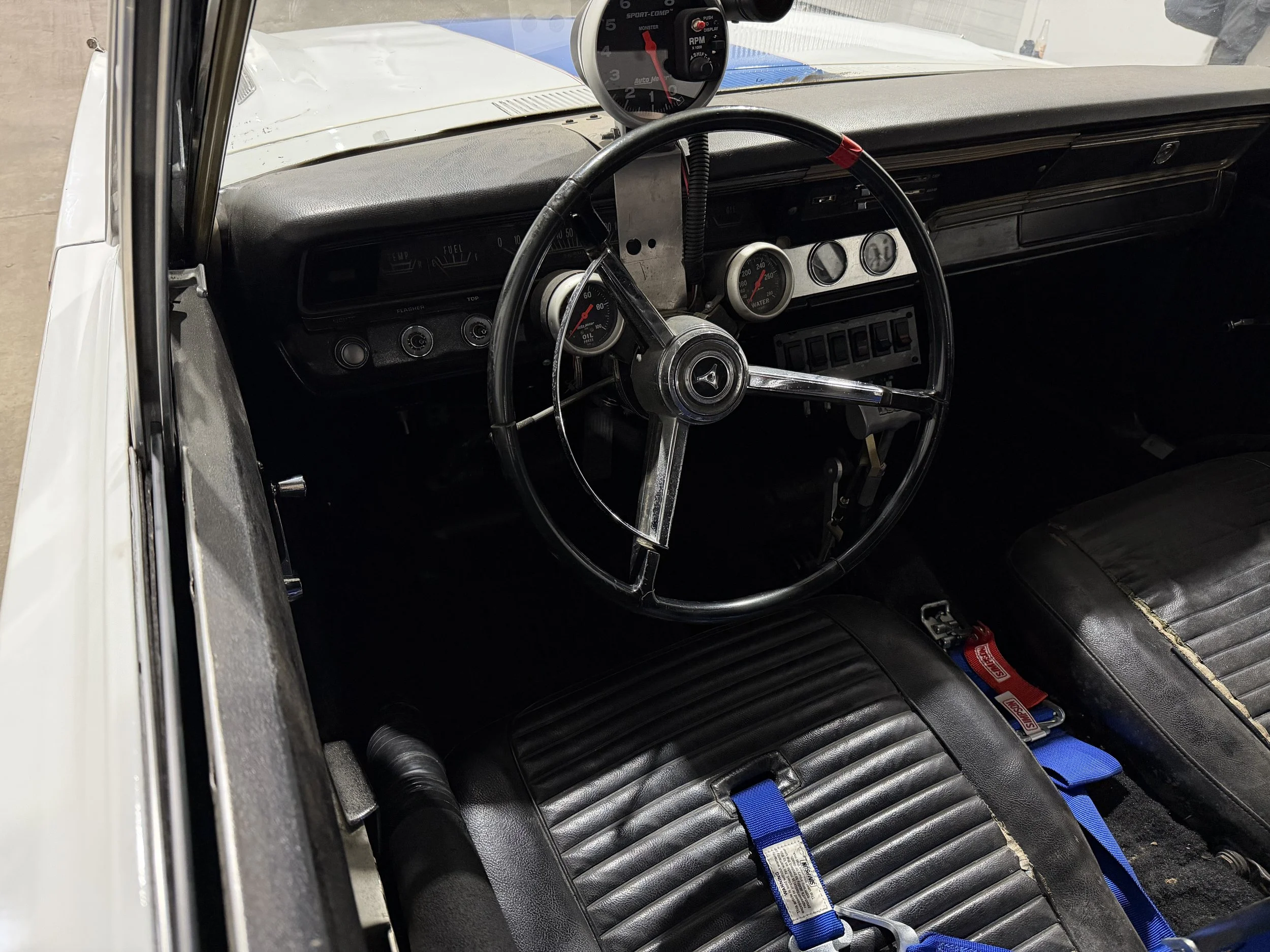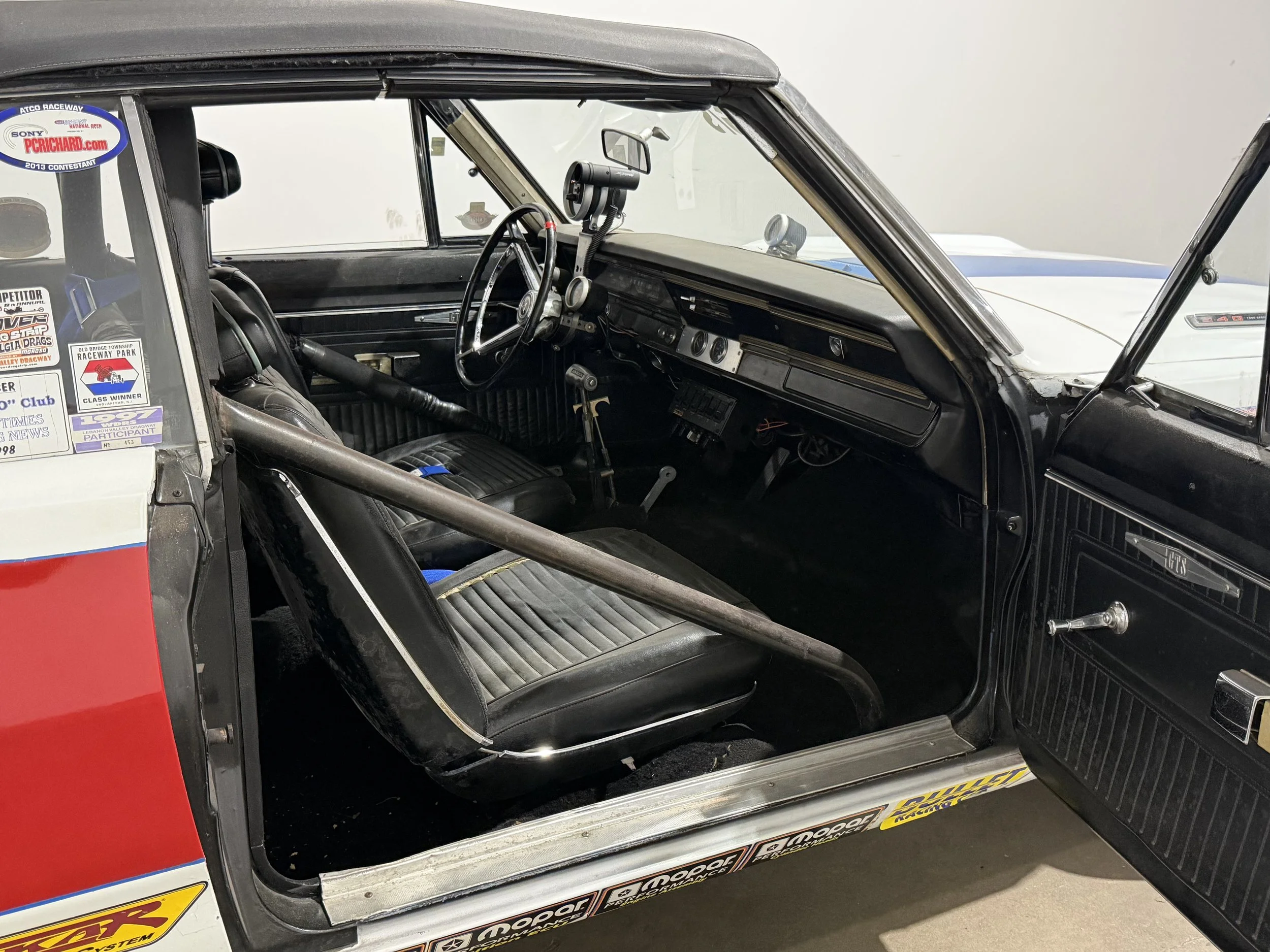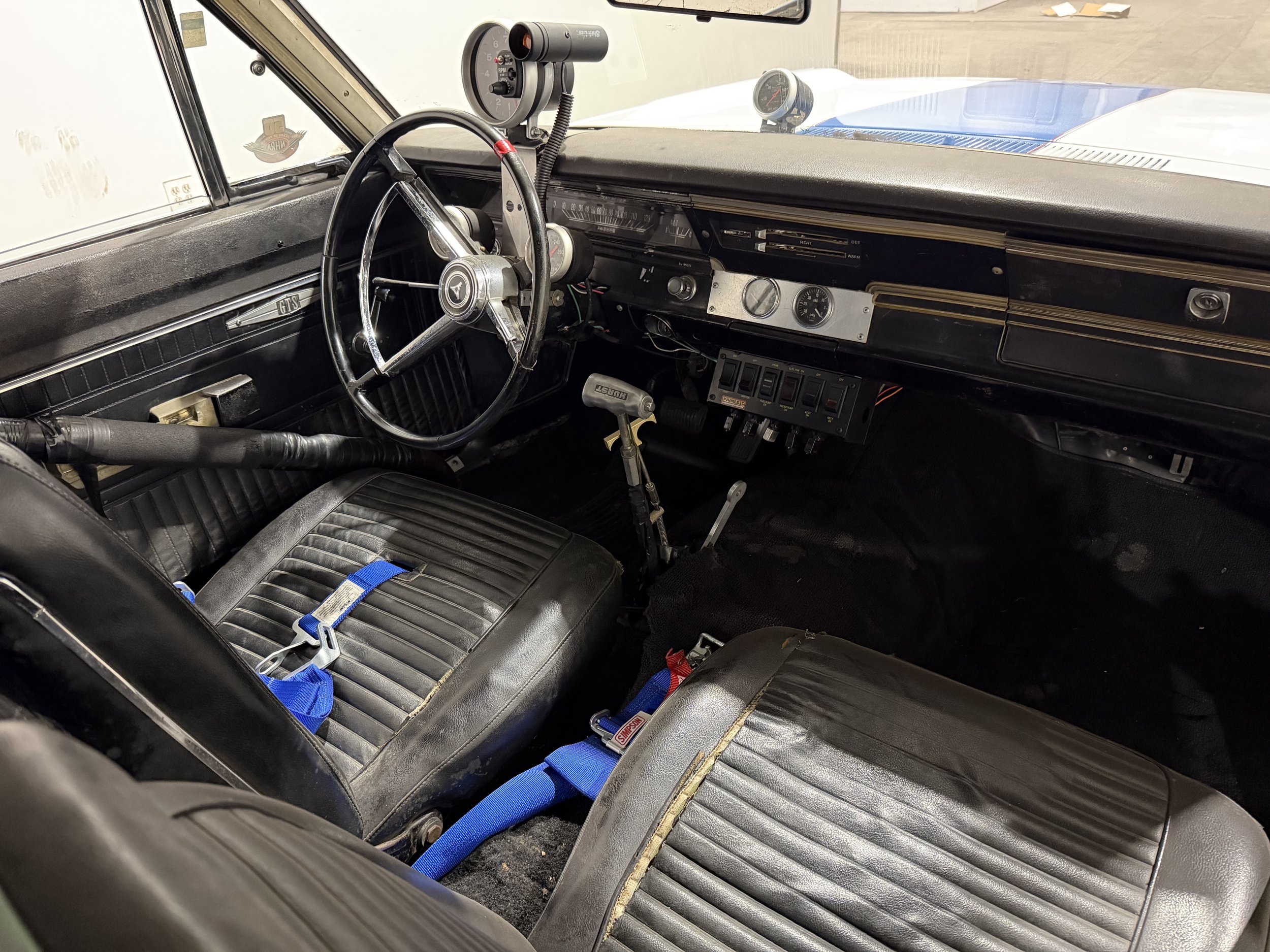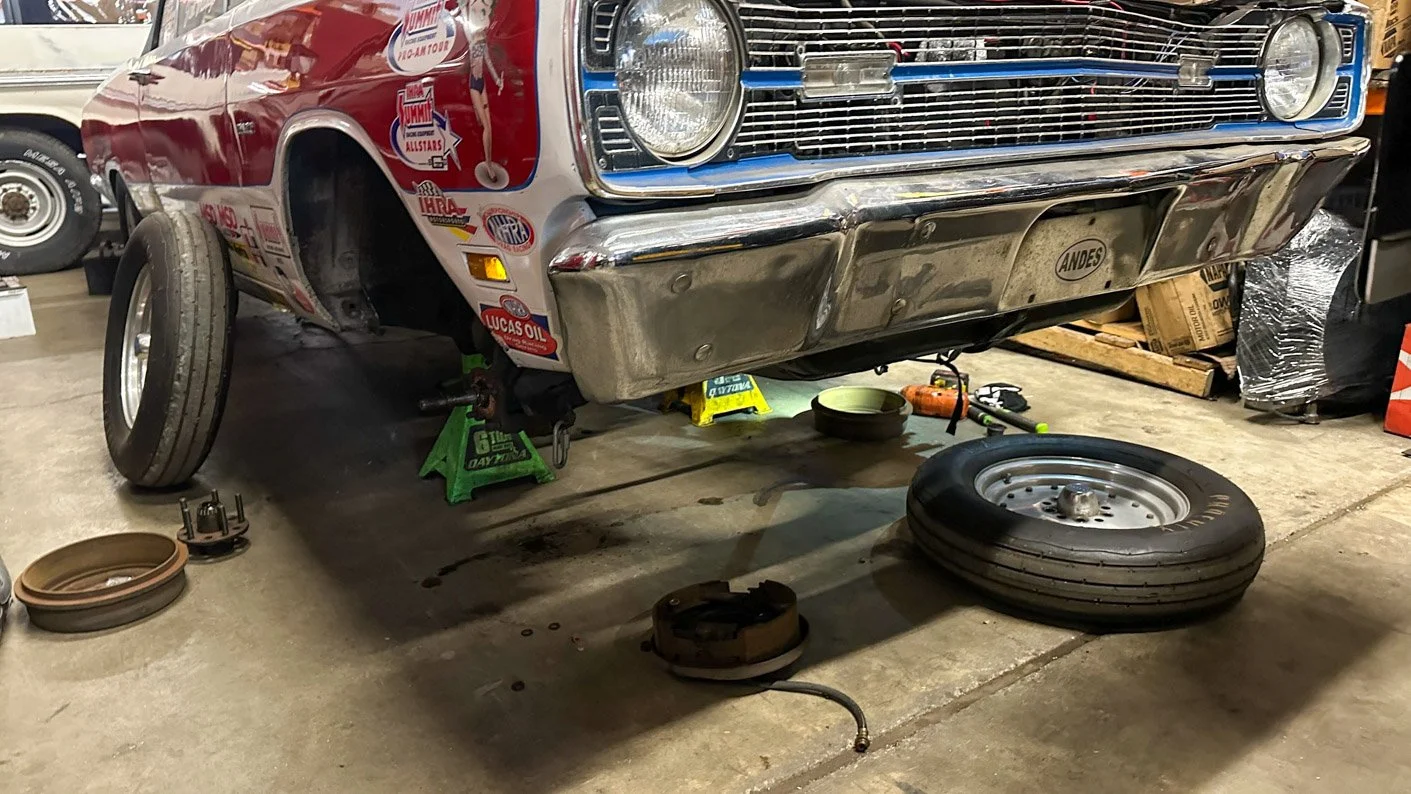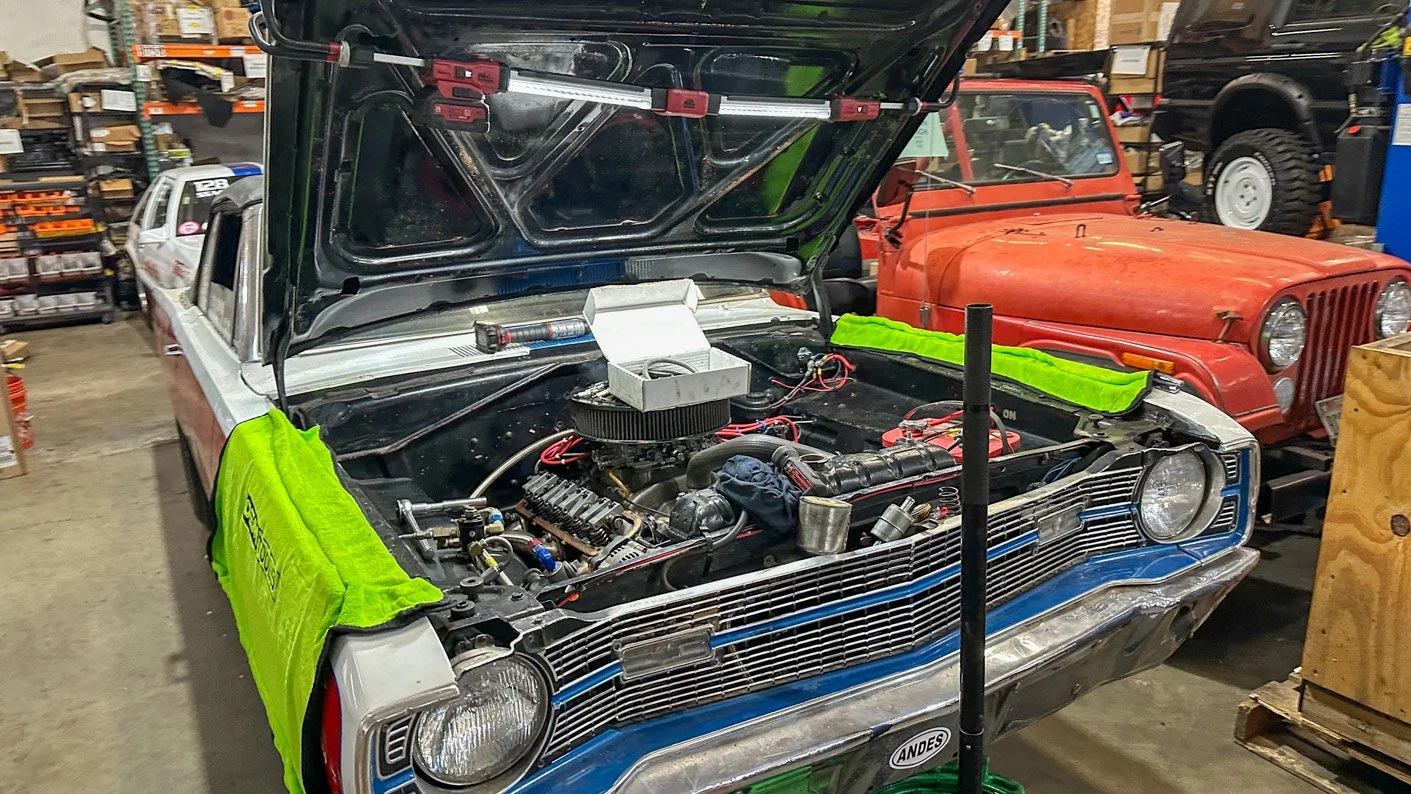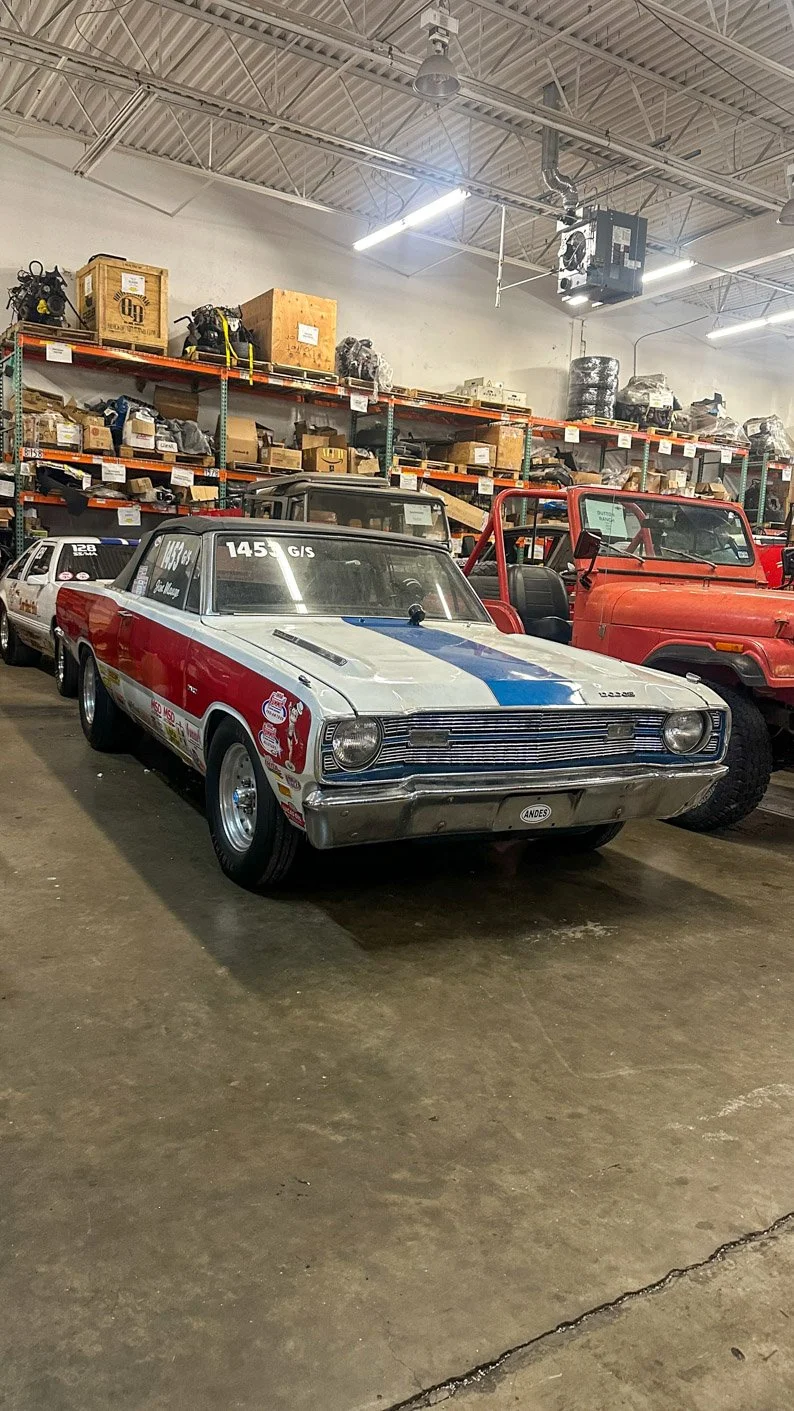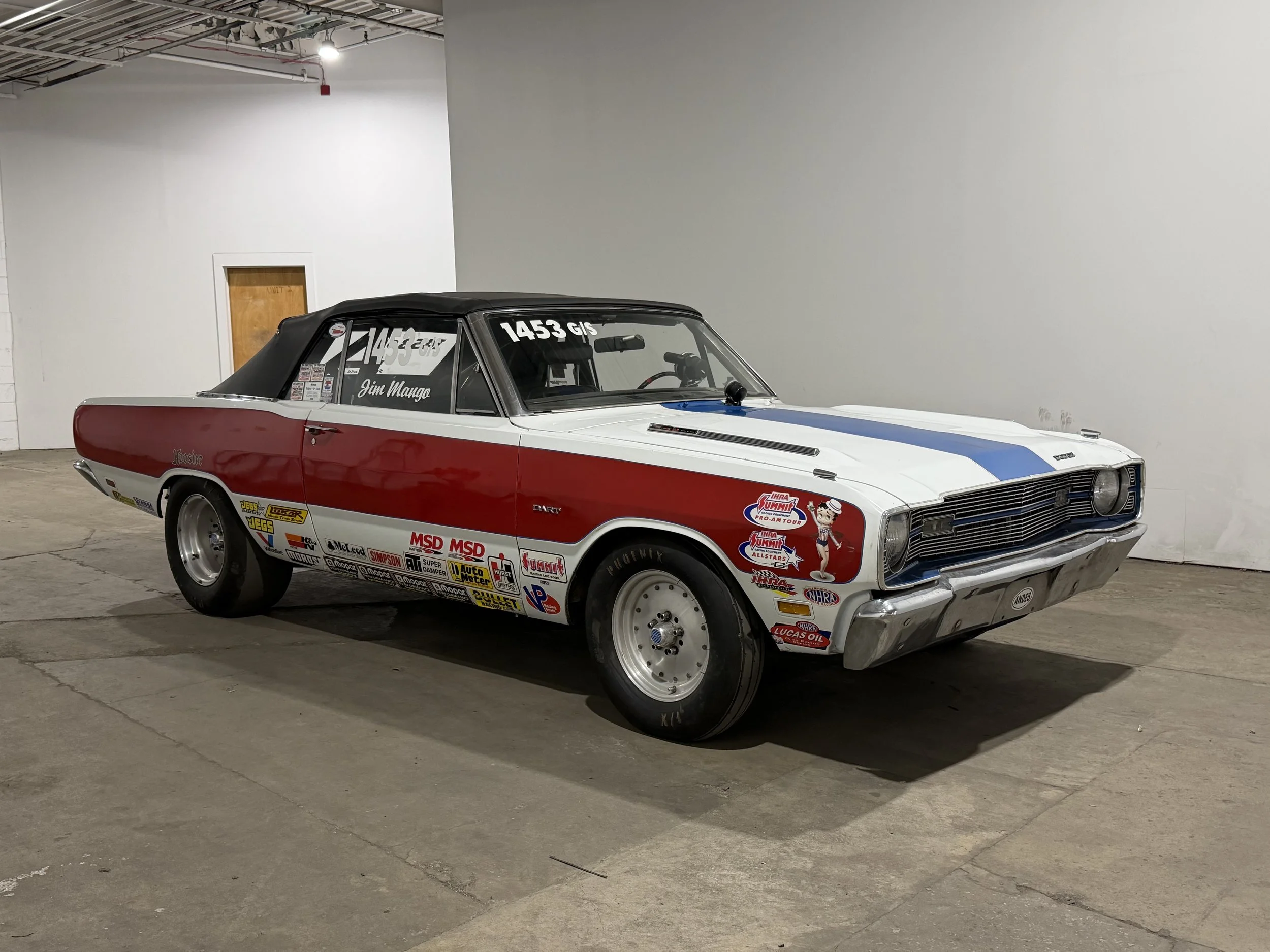
1969 Dodge G/S
Drag Car
Mechanical Force Unleashed
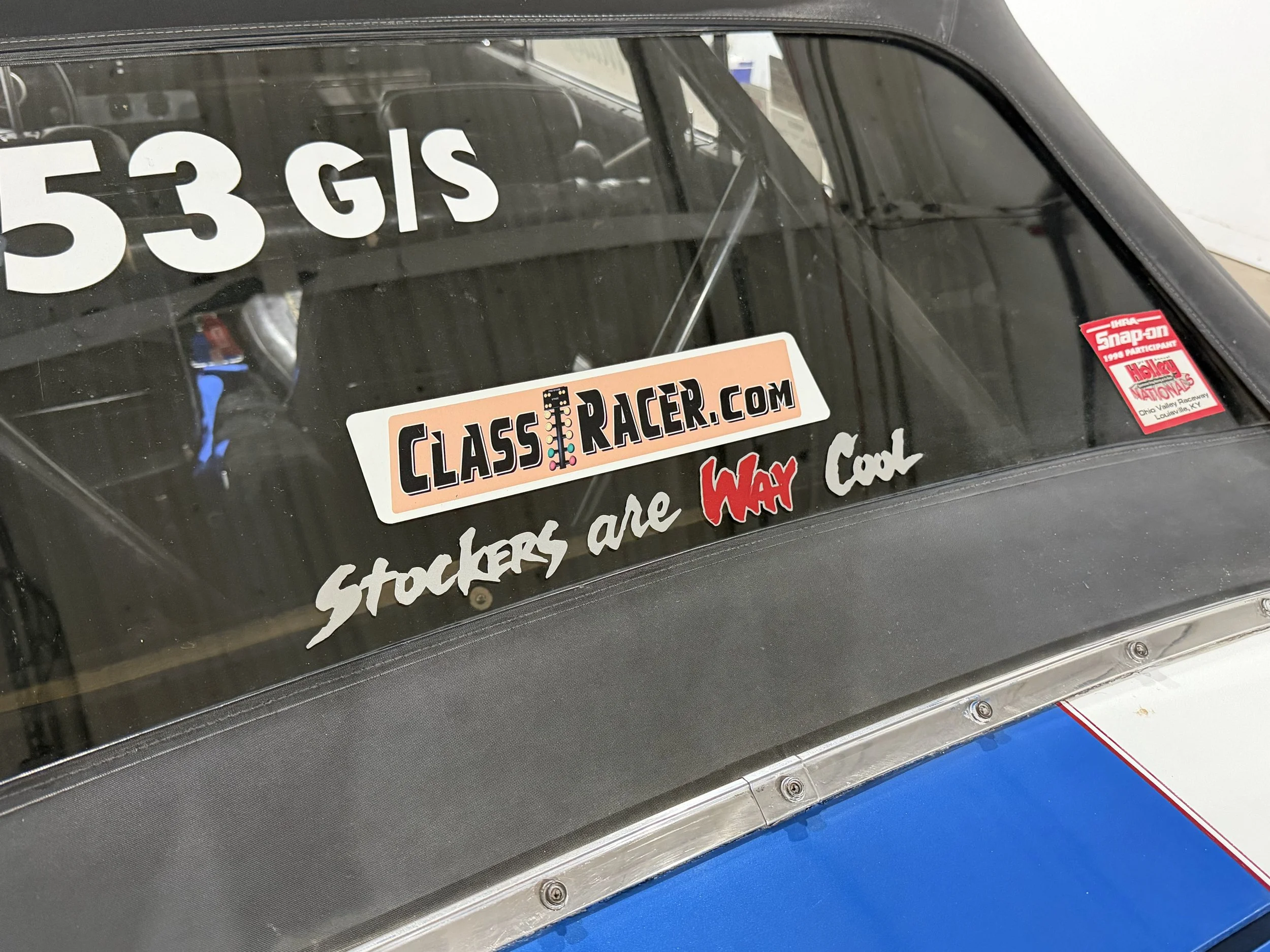
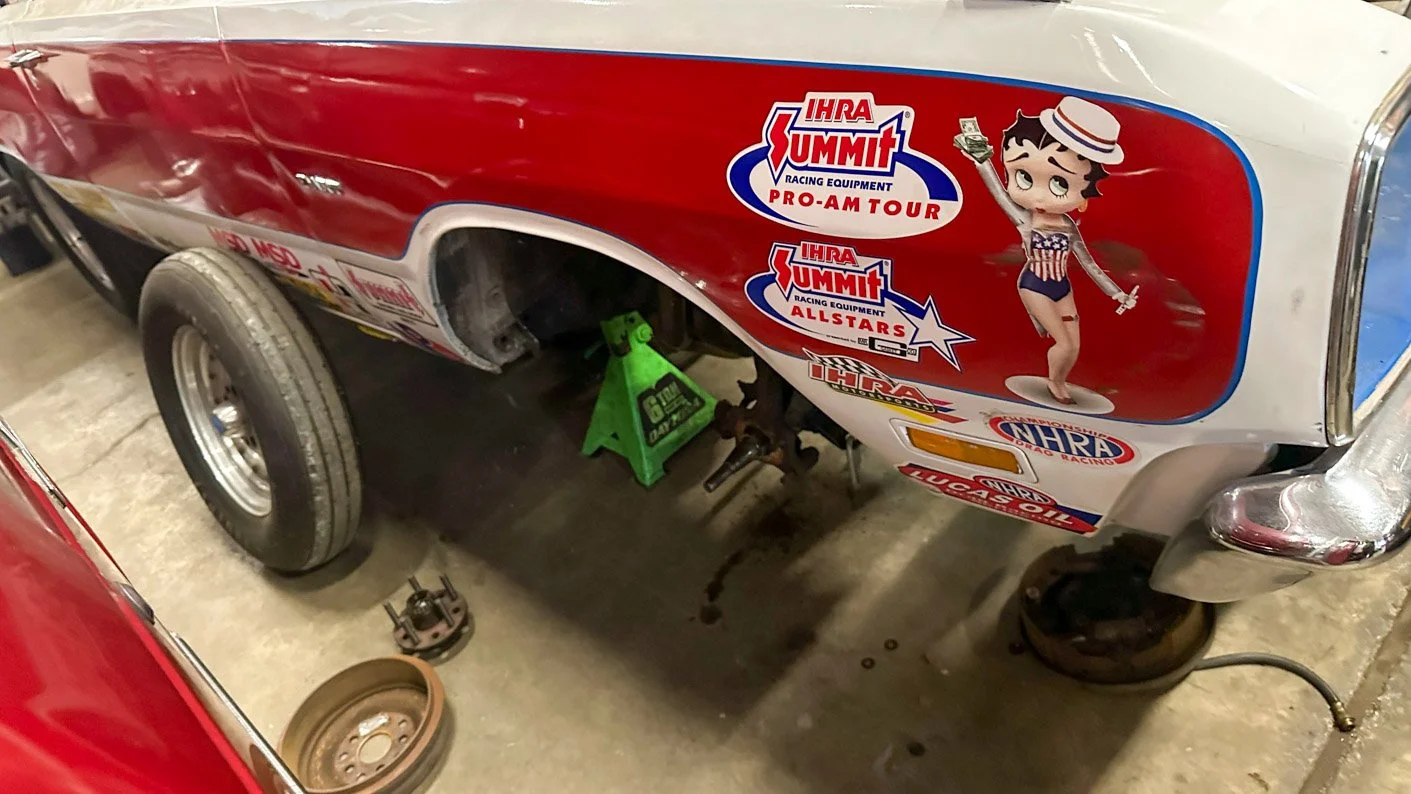
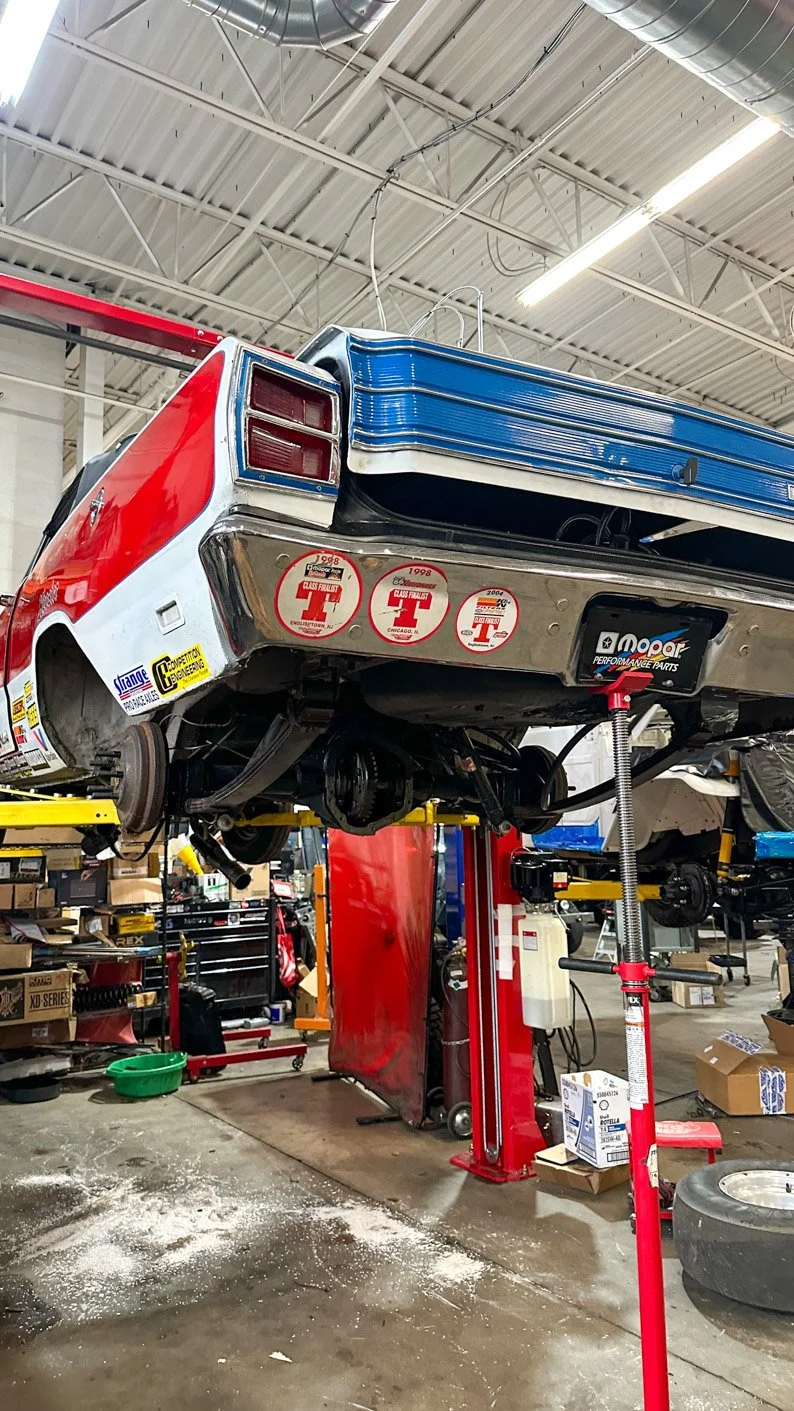
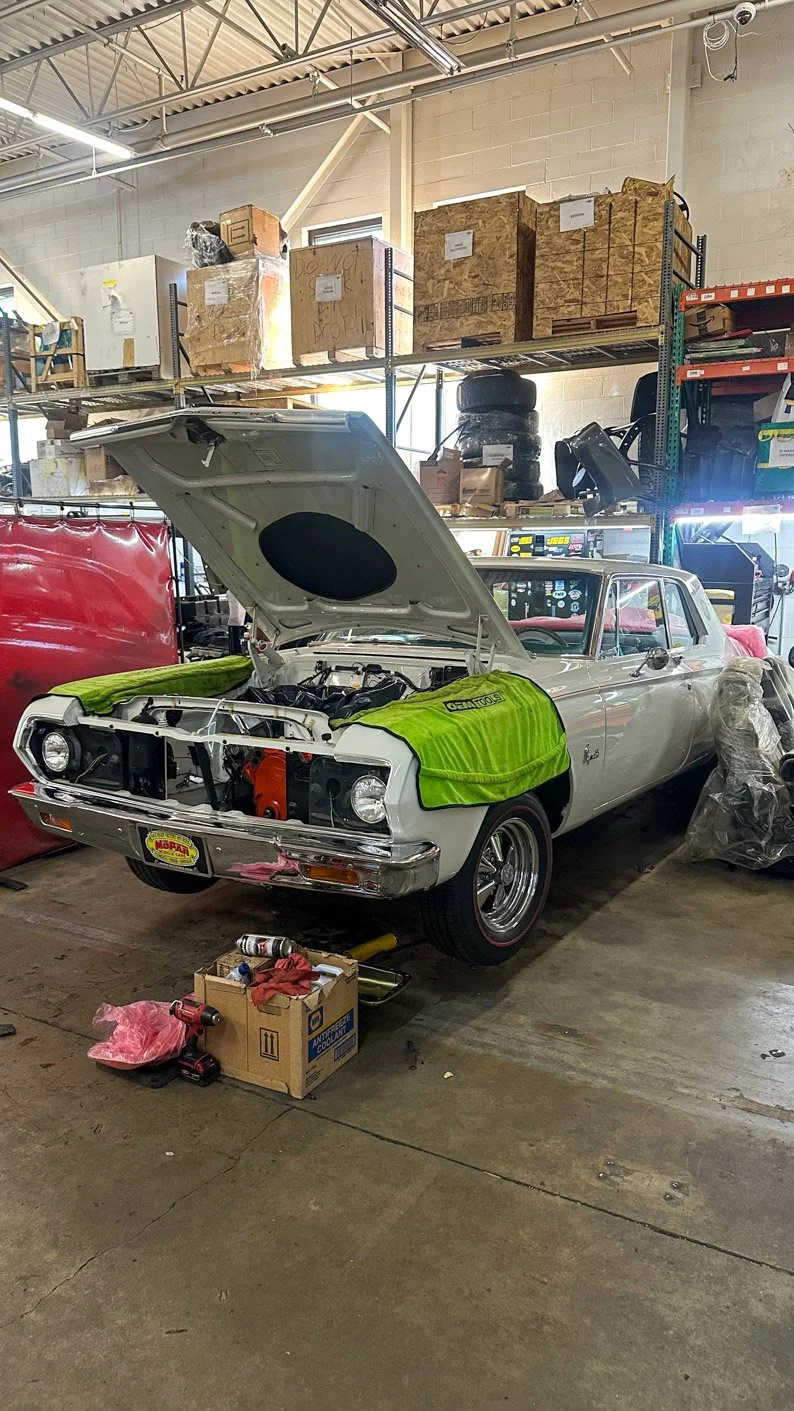
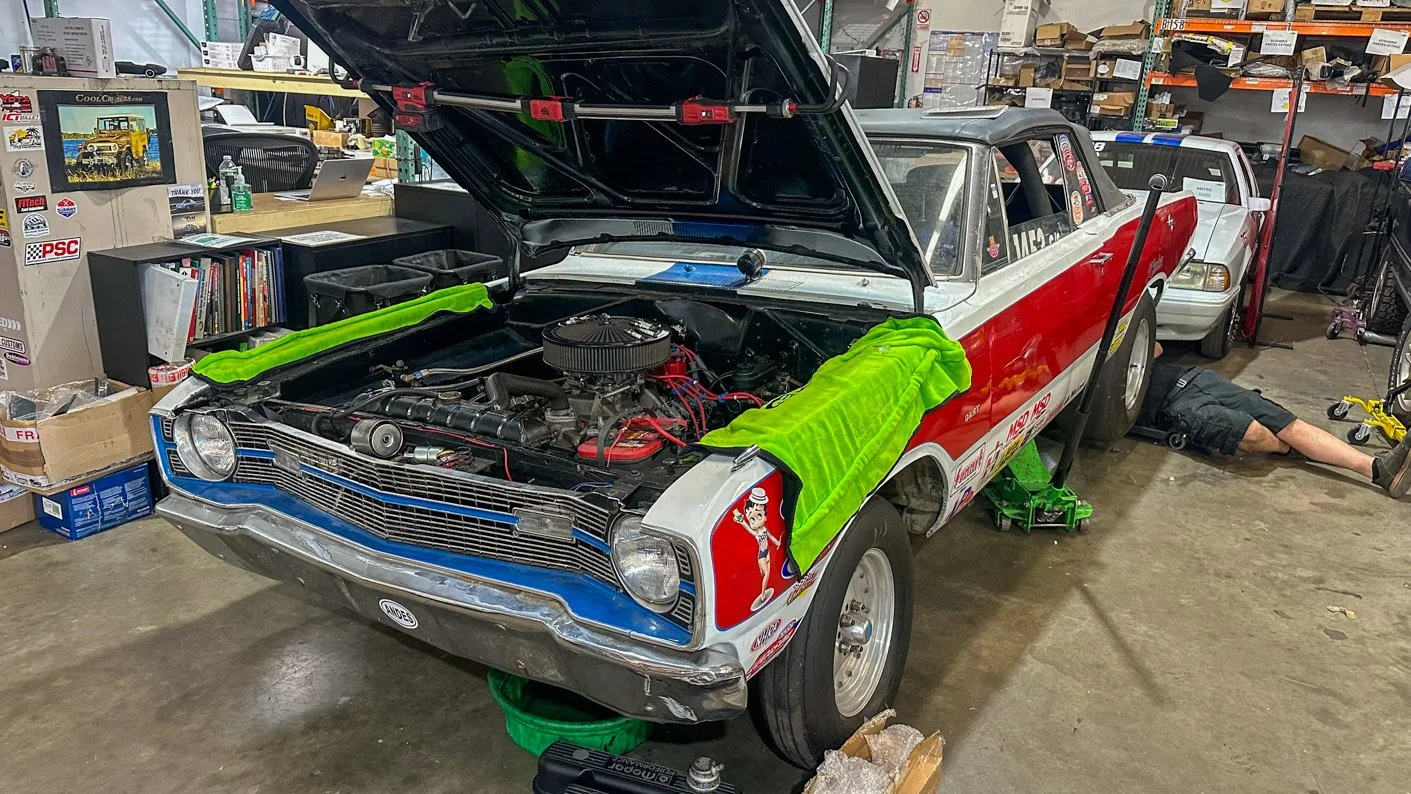
There’s a certain kind of violence to a proper drag car. Not chaos—precision. Controlled, repeatable aggression measured in fractions of a second. Cool Car was never meant to be subtle. It was built to honor a time when G/S (Gas / Supercharged) ruled the strip—late nights, open headers, and supercharged coupes pushing the limits of what traction and nerve could hold.
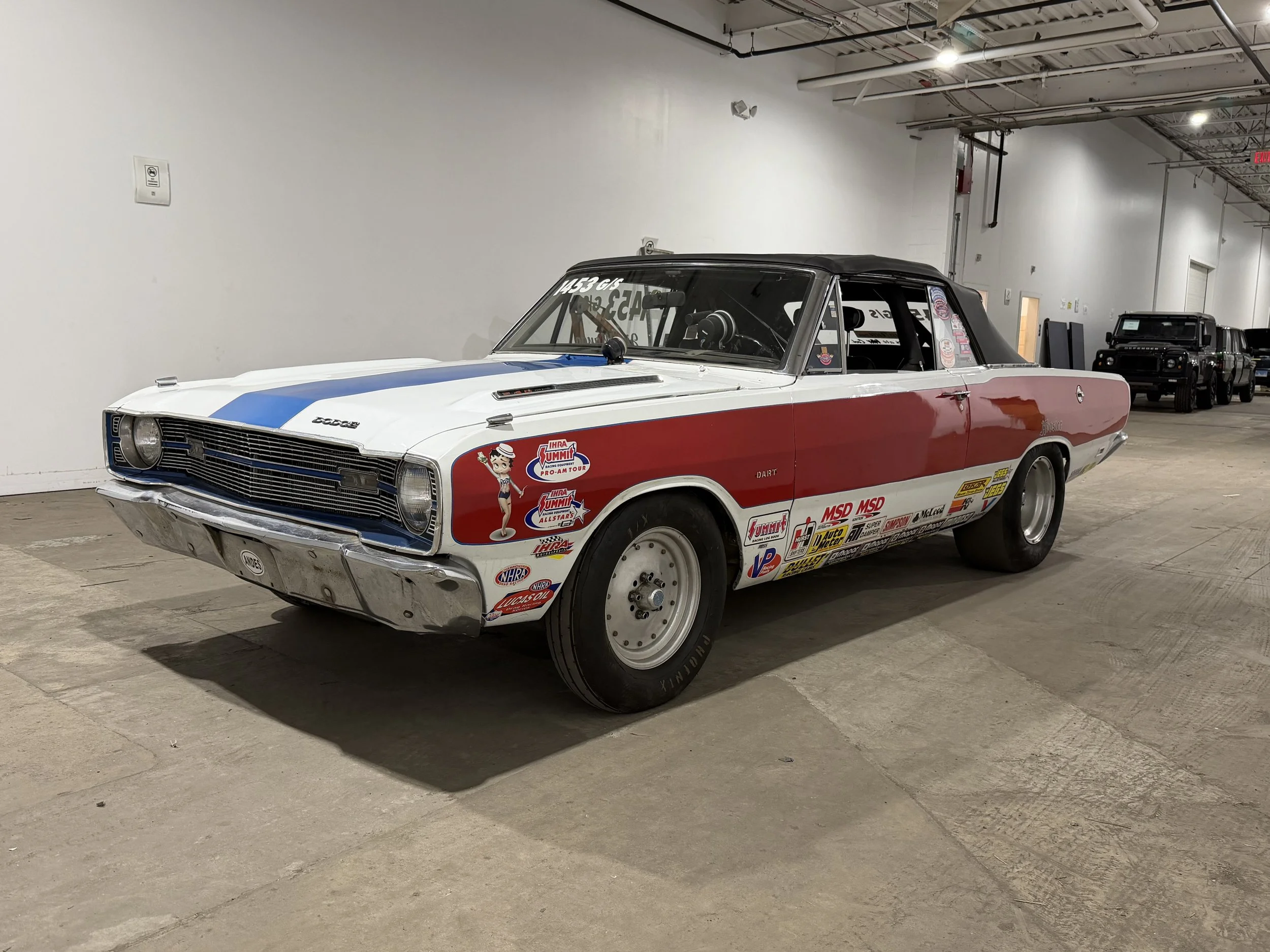
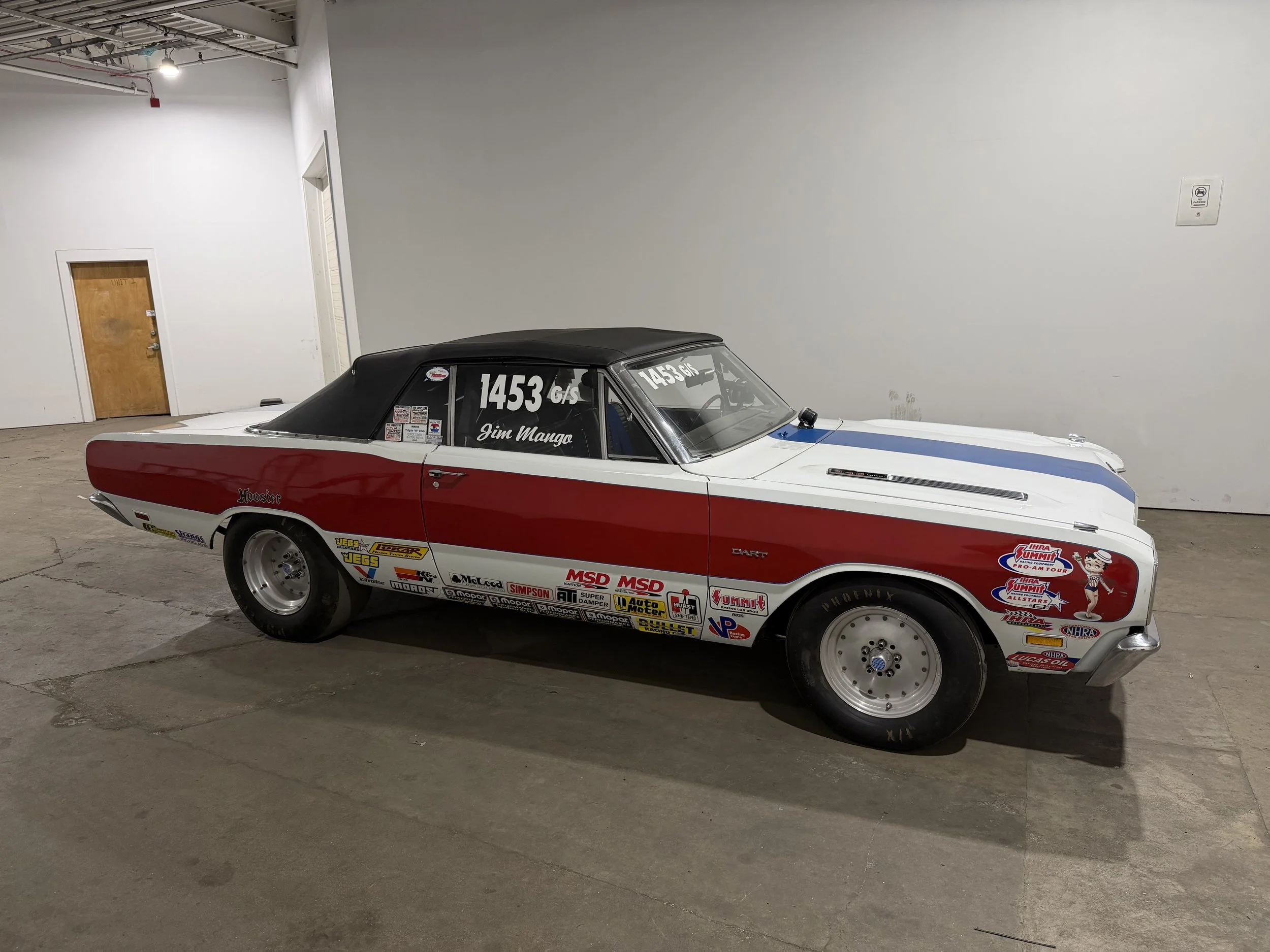
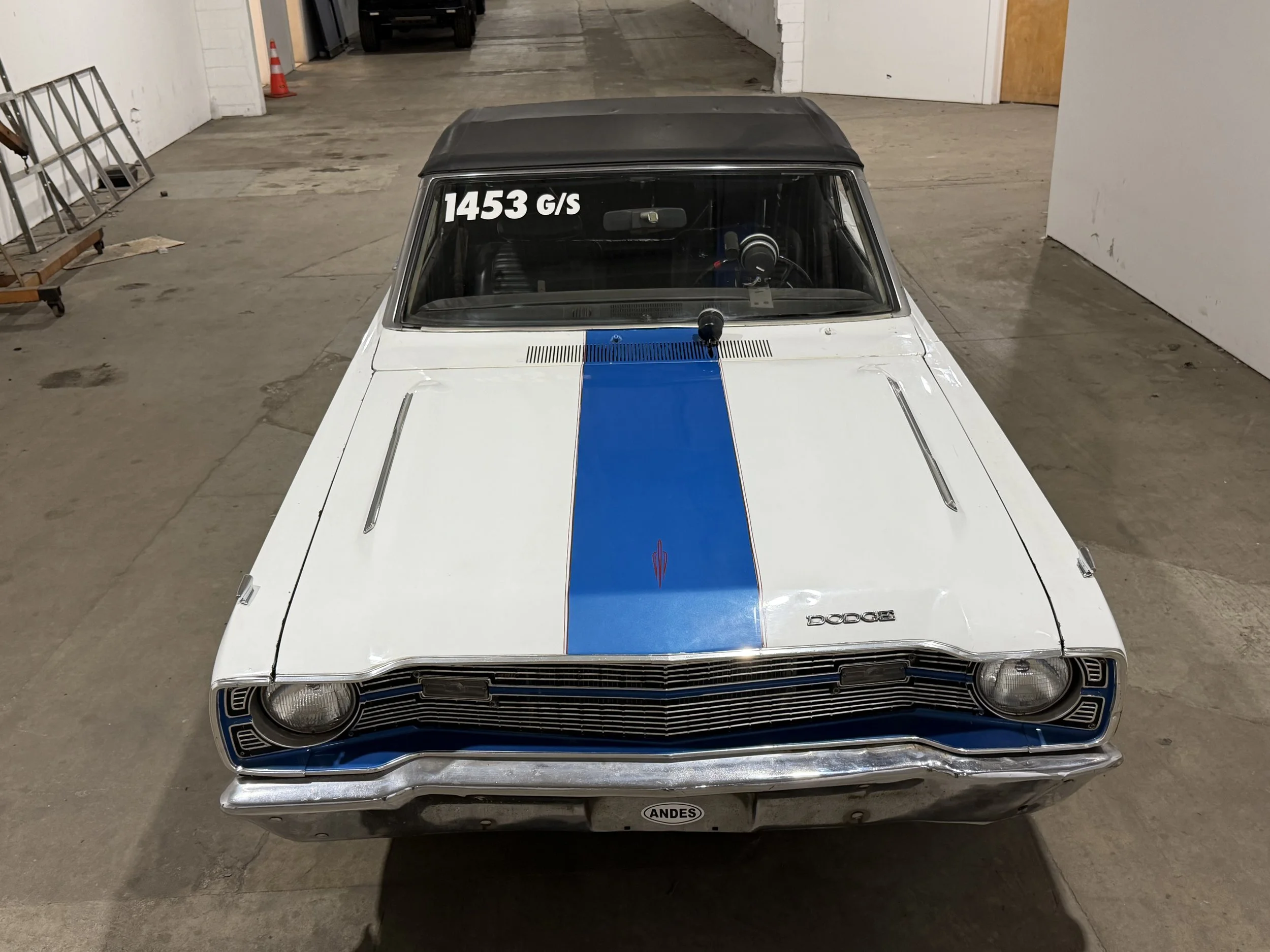
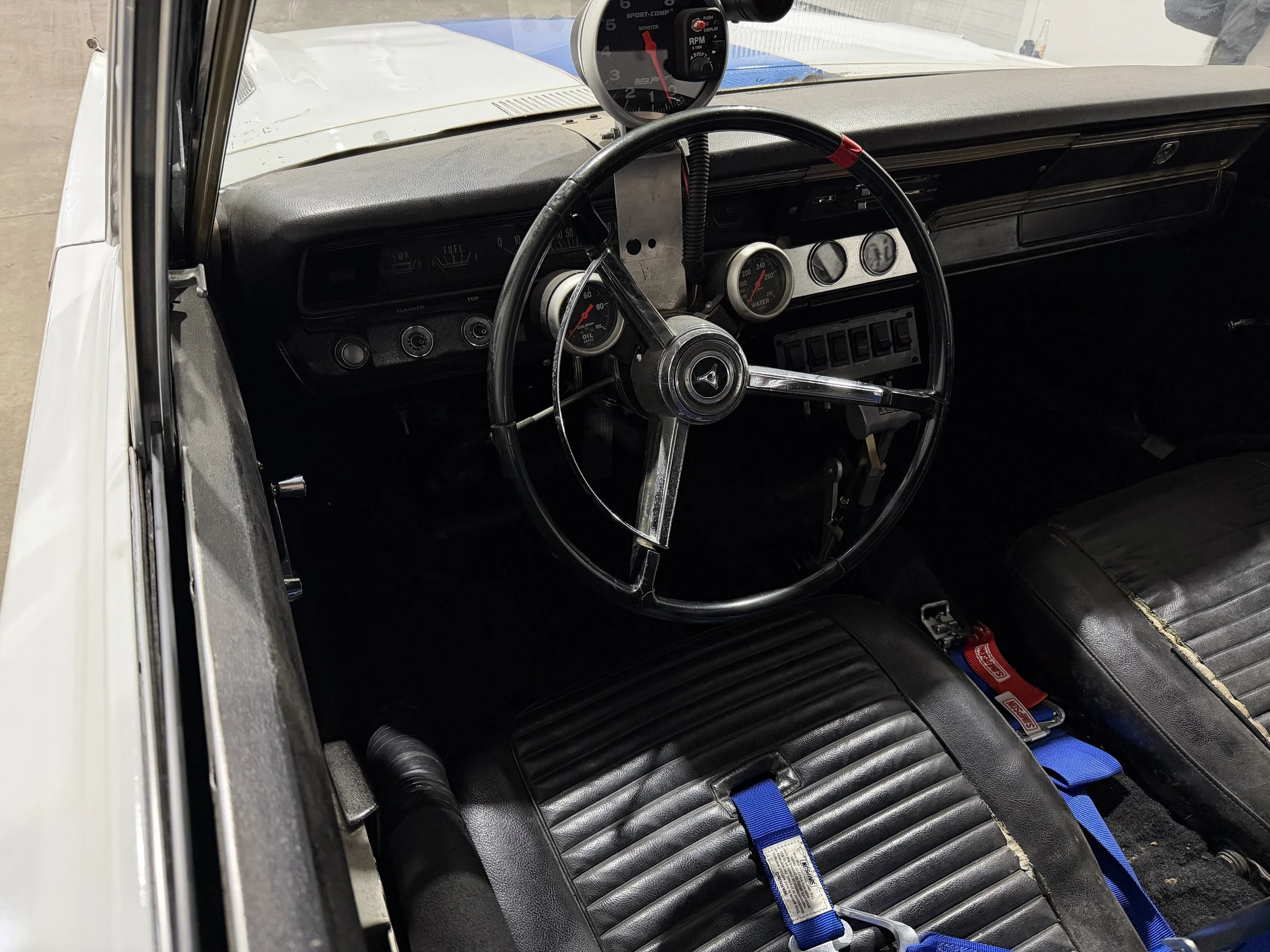
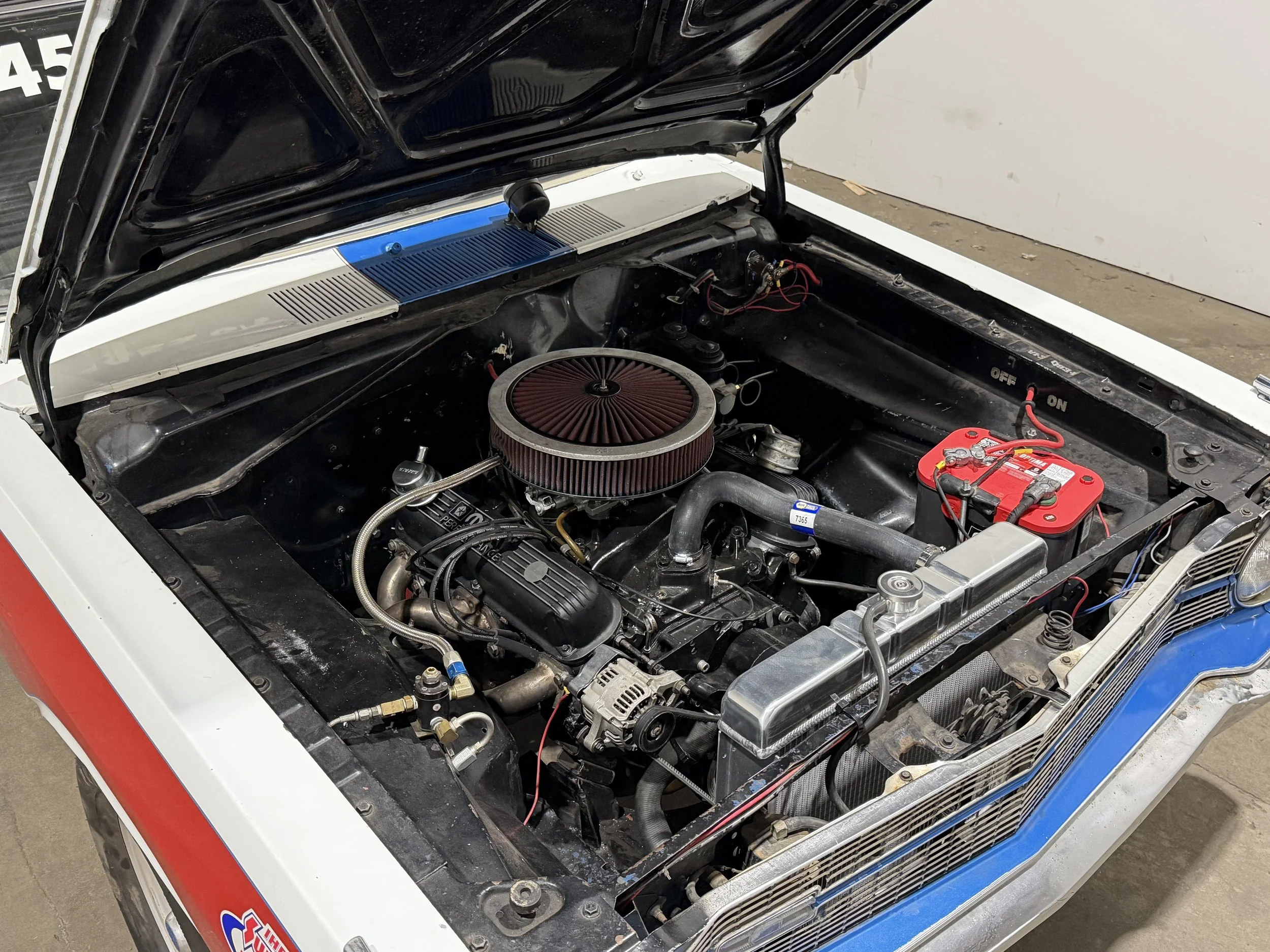
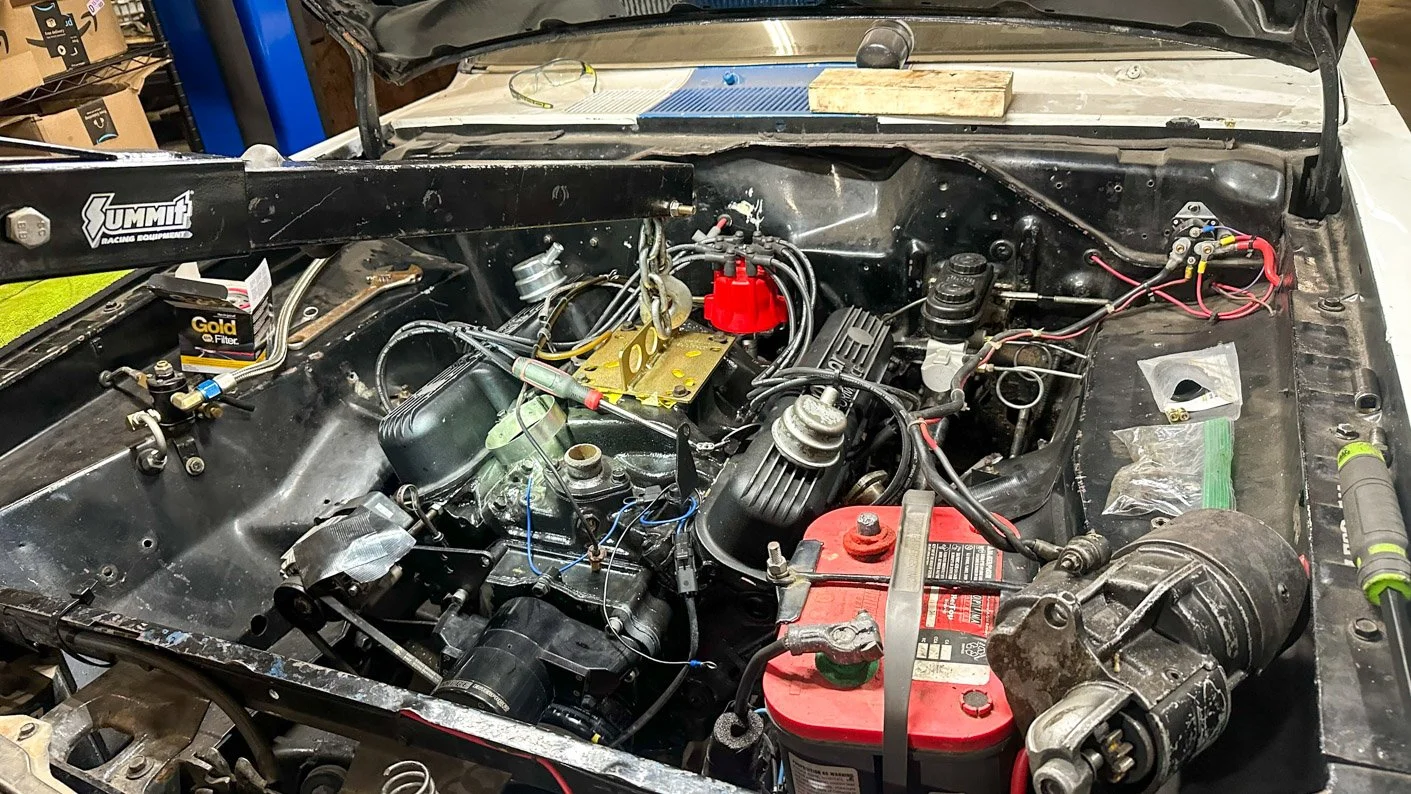
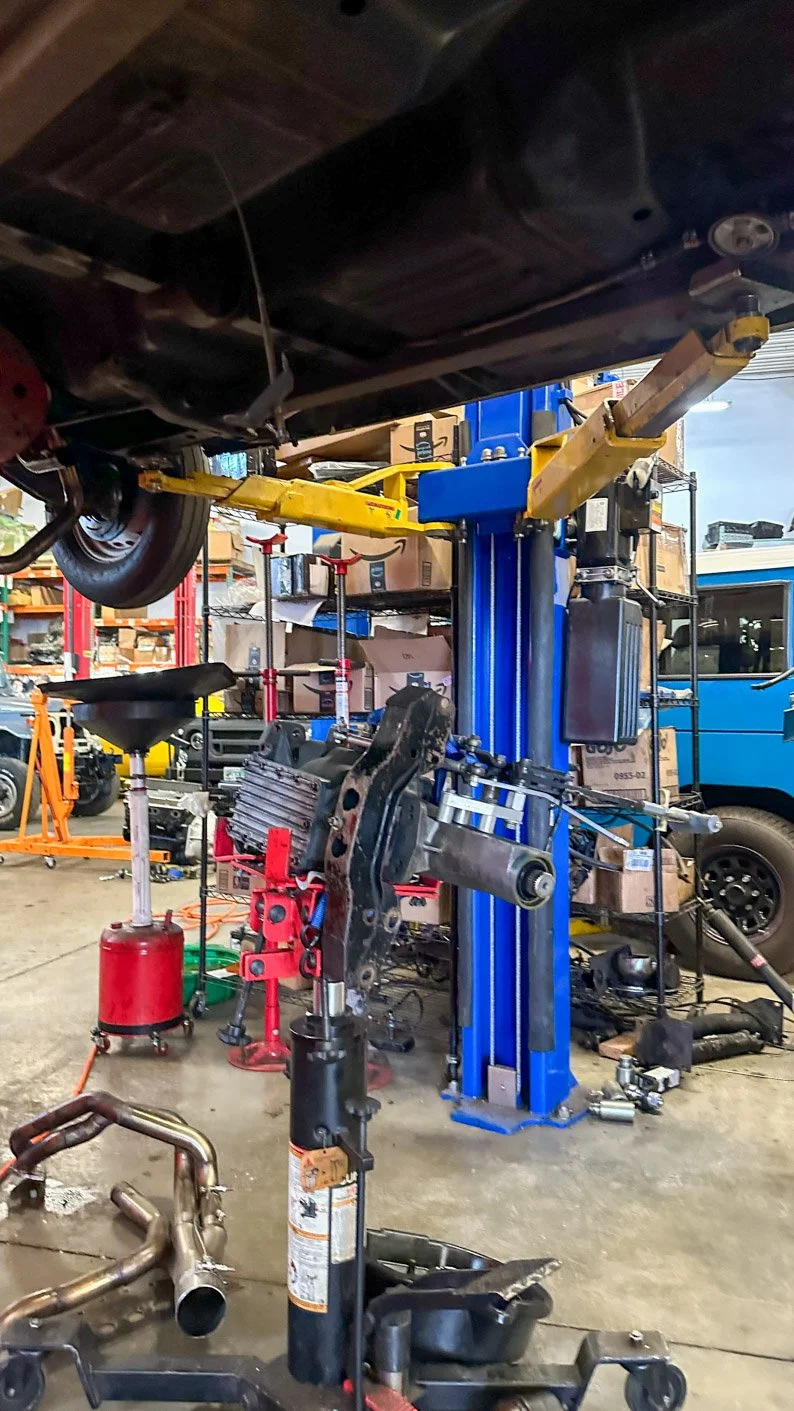
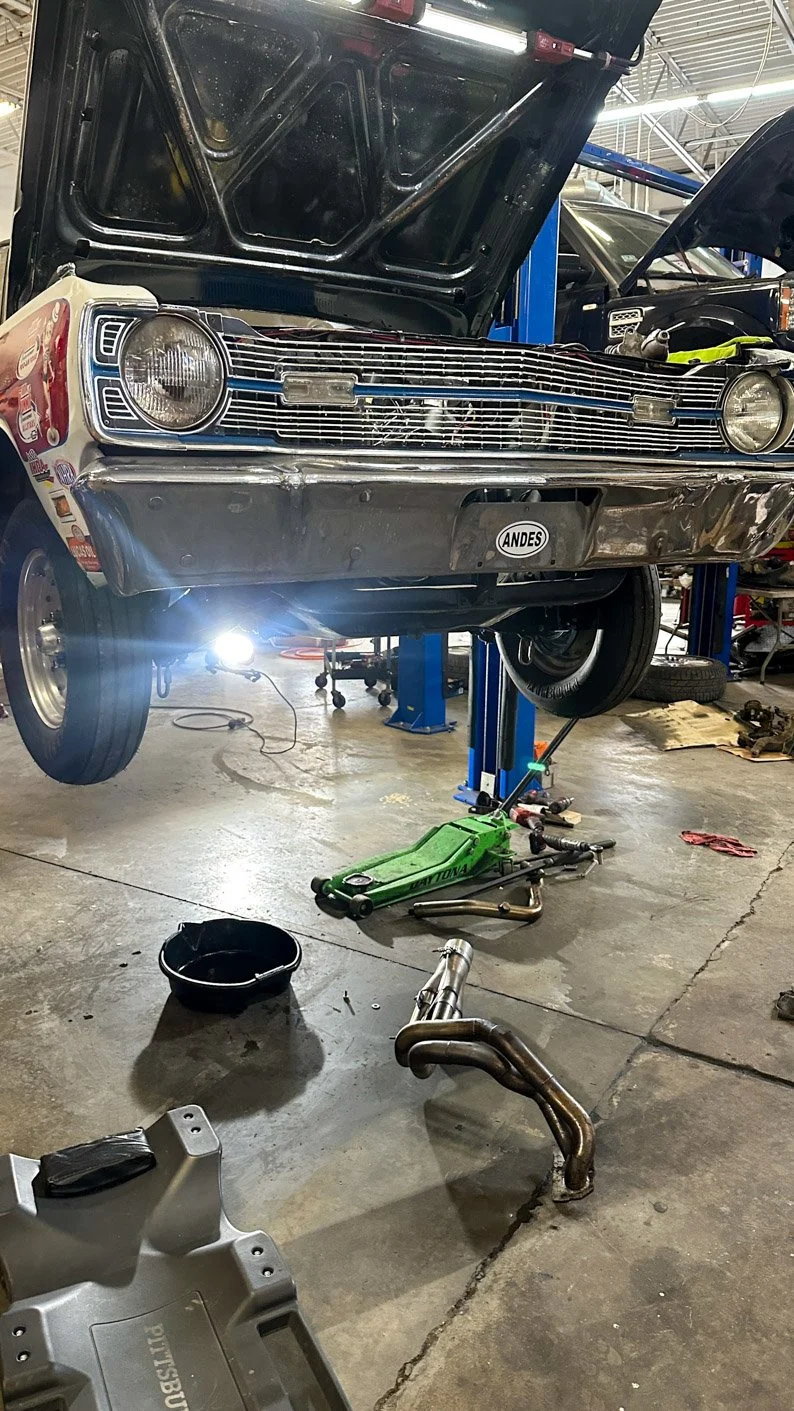
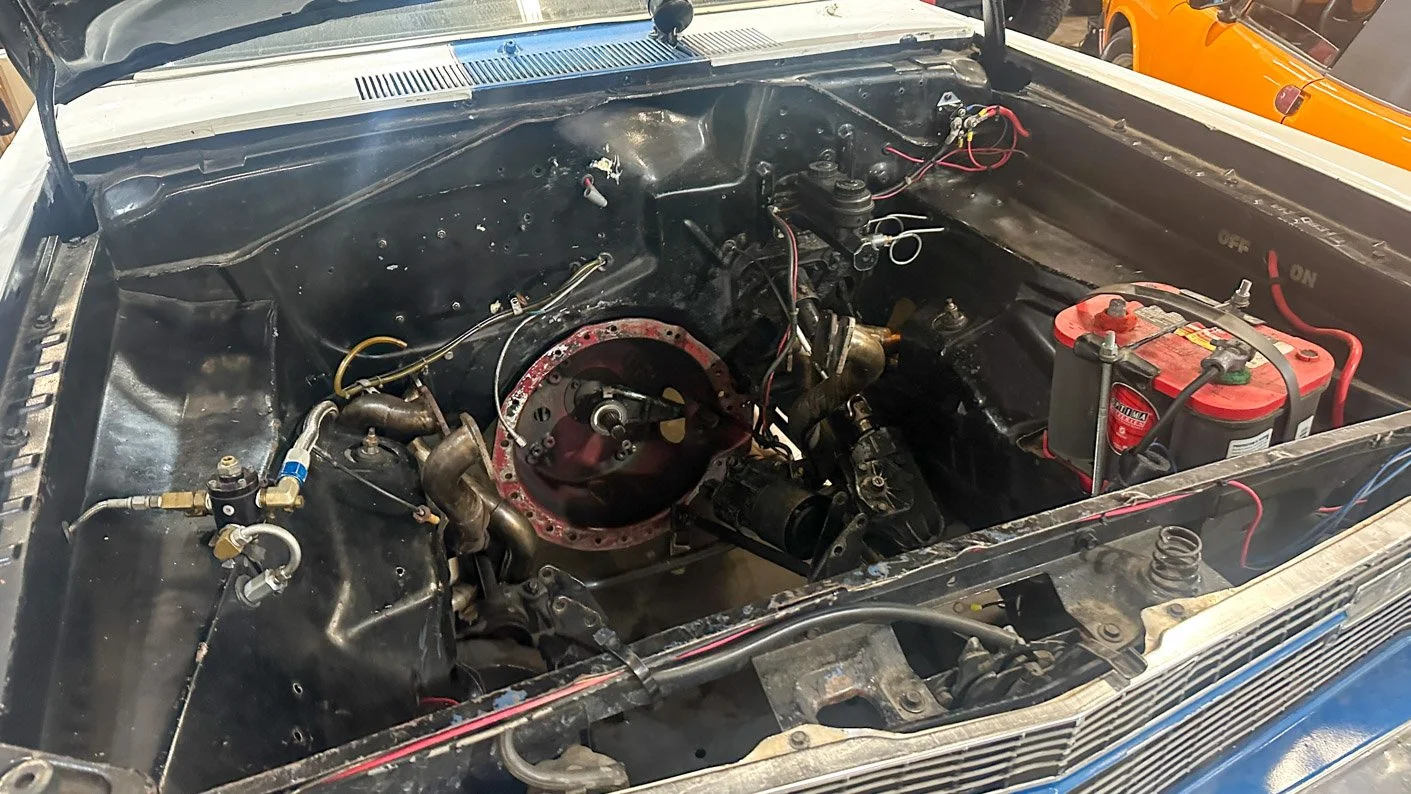
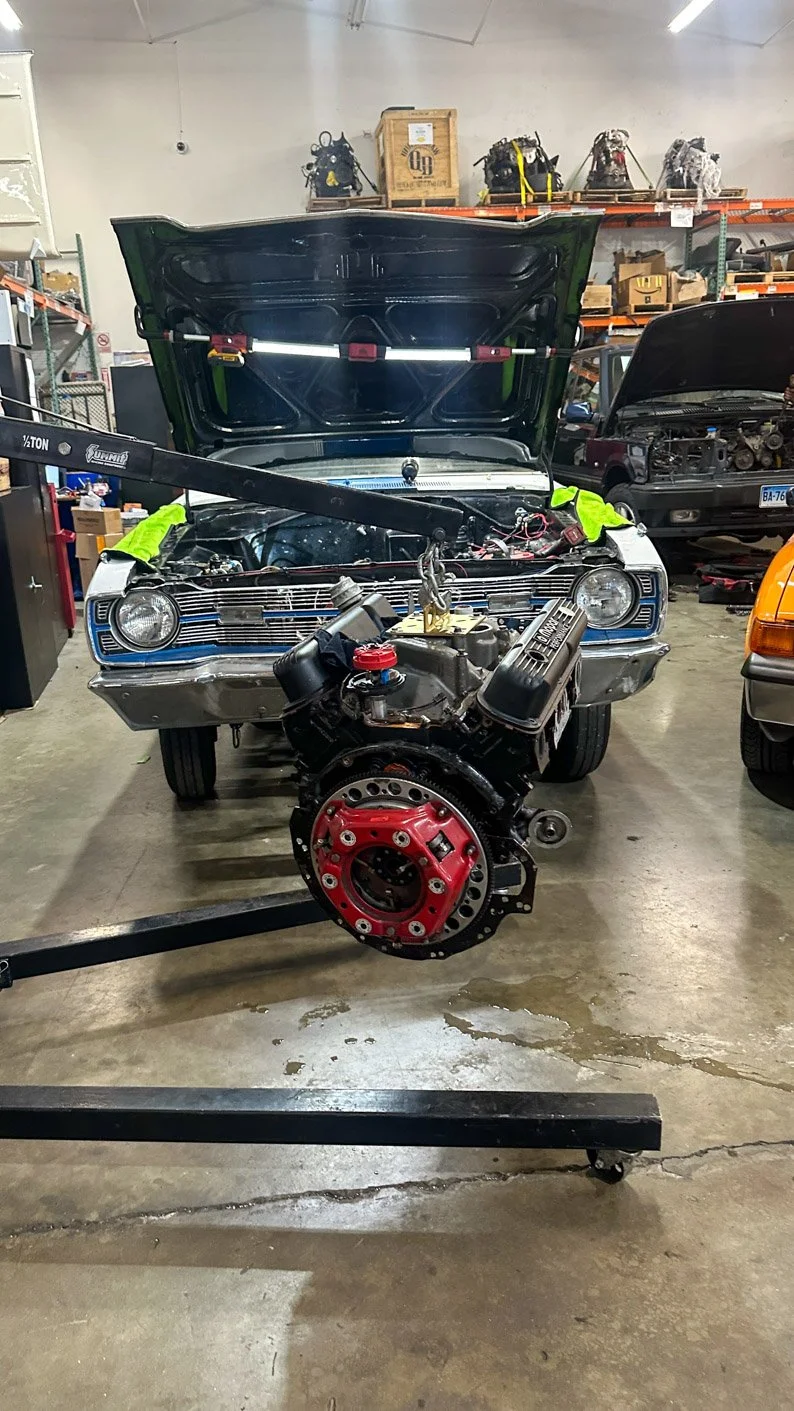
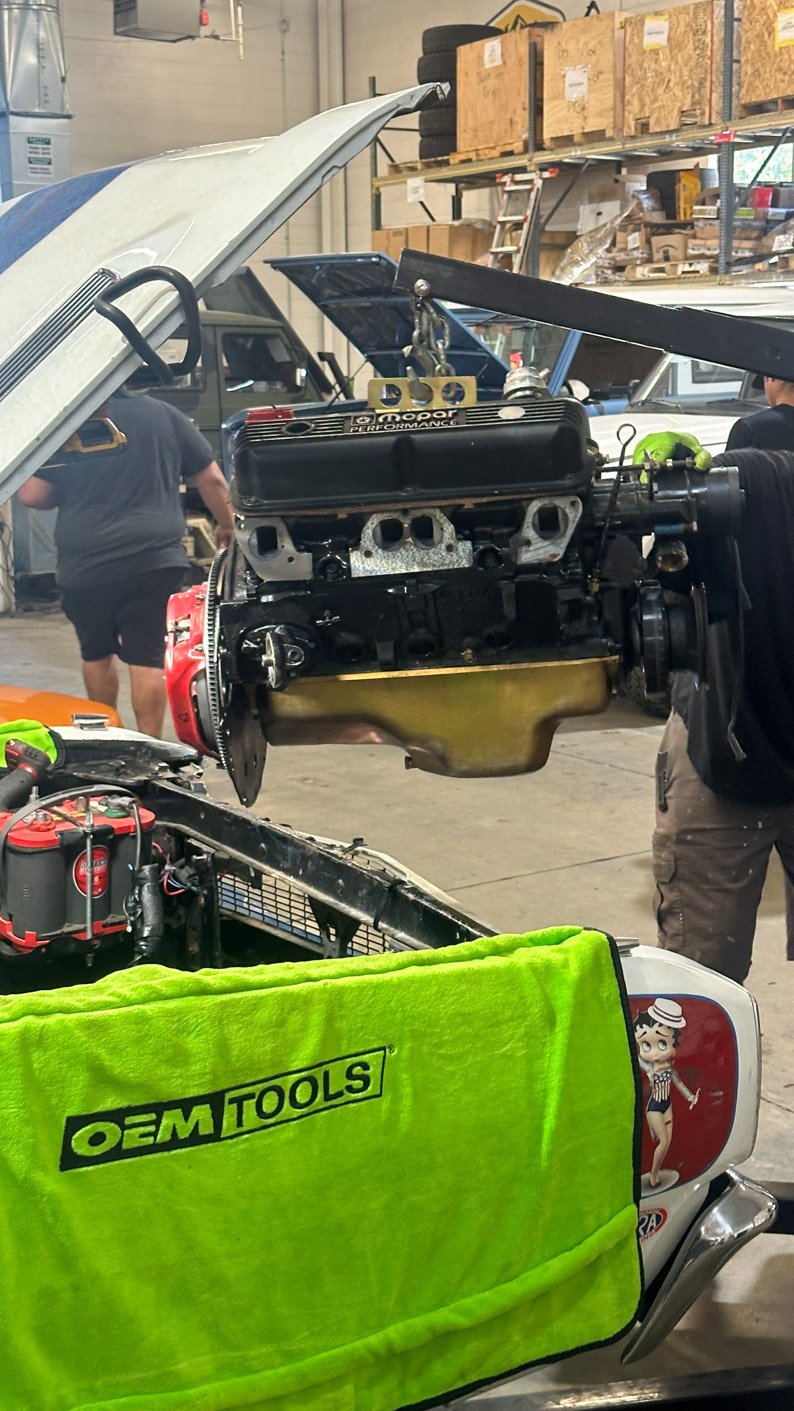
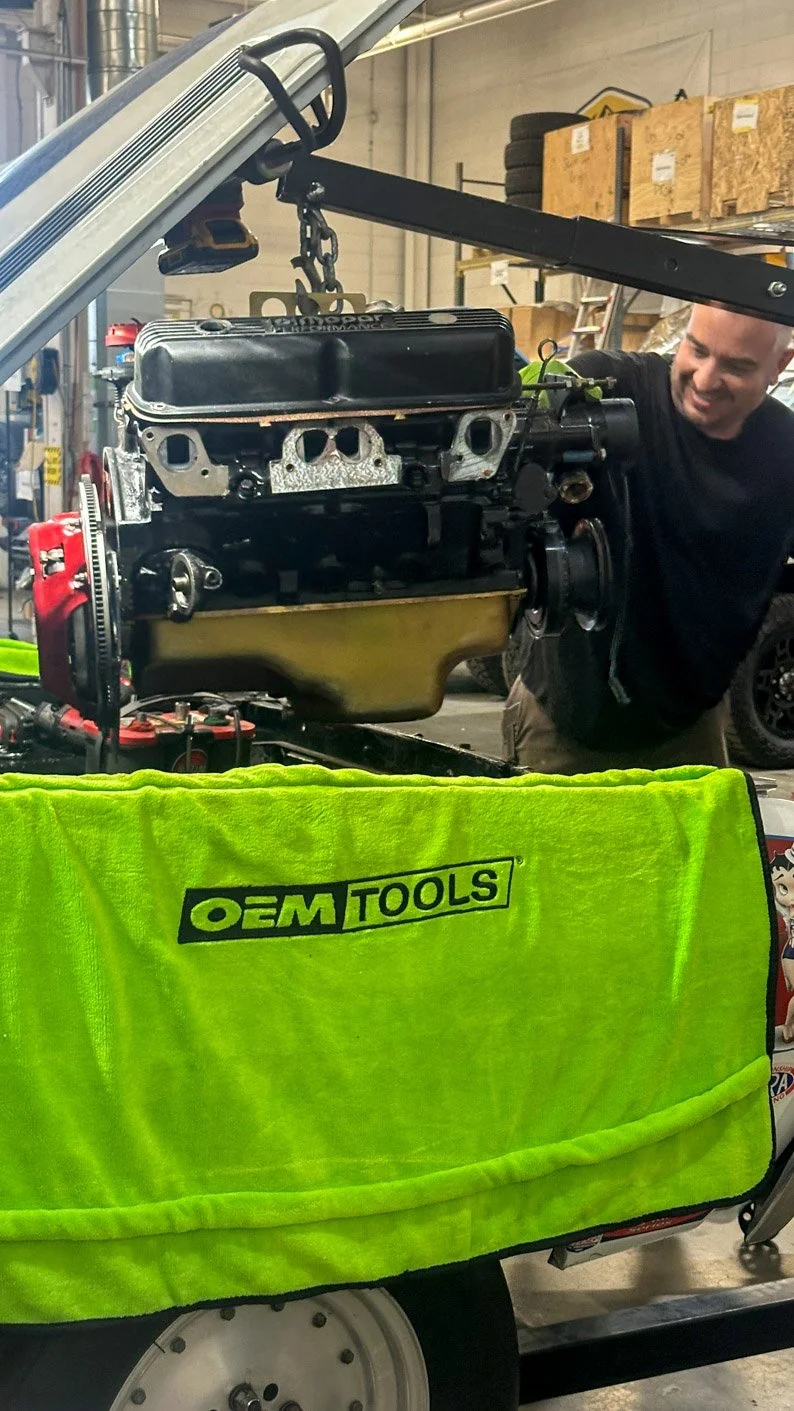
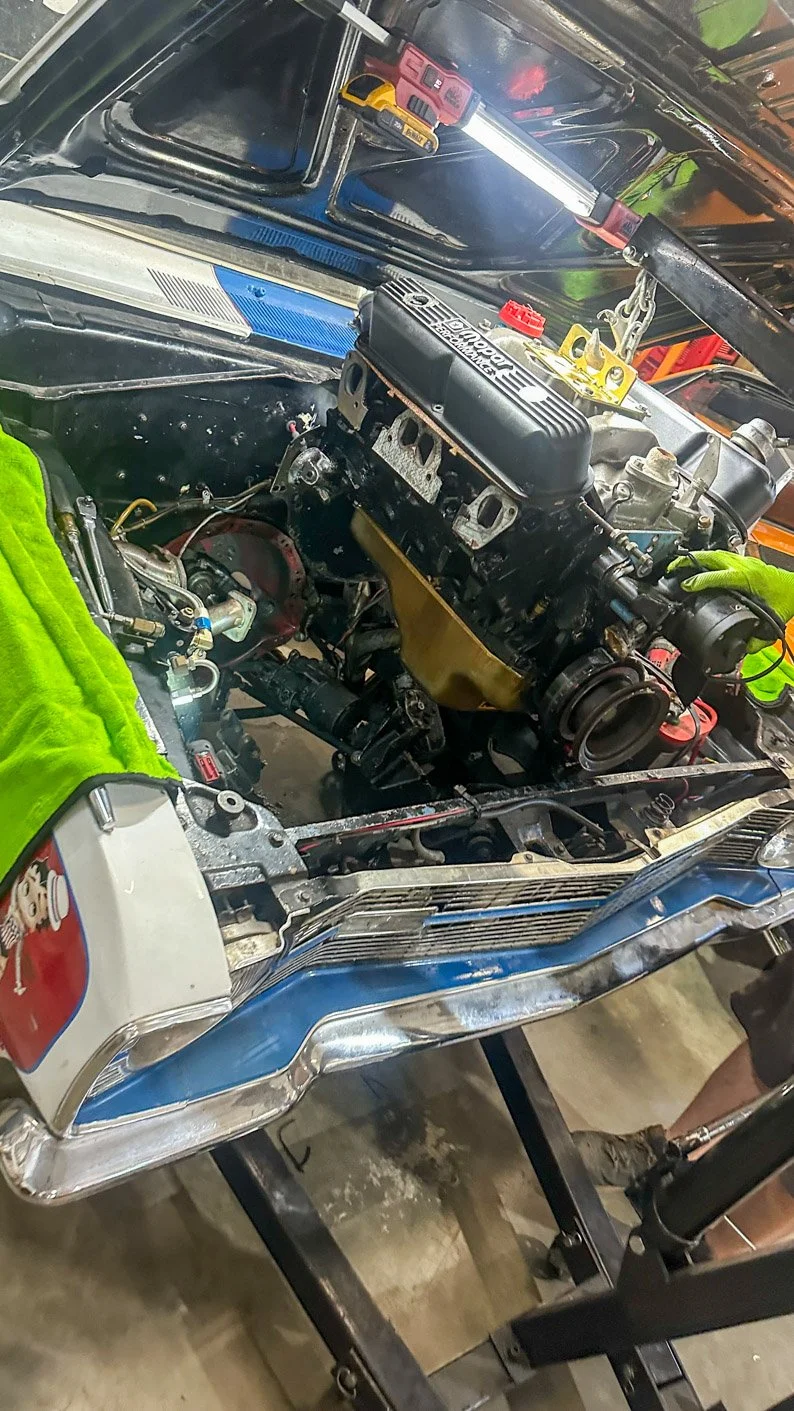
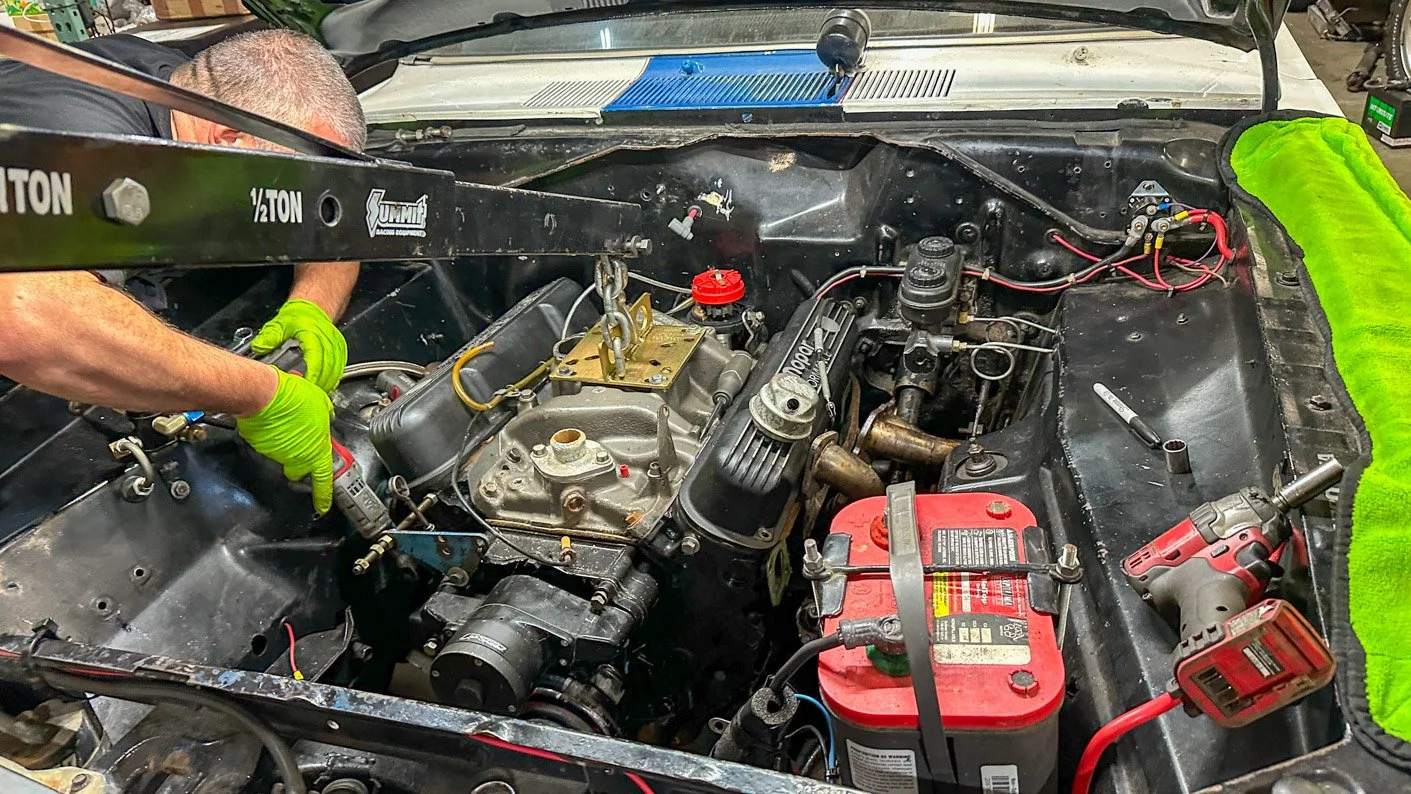
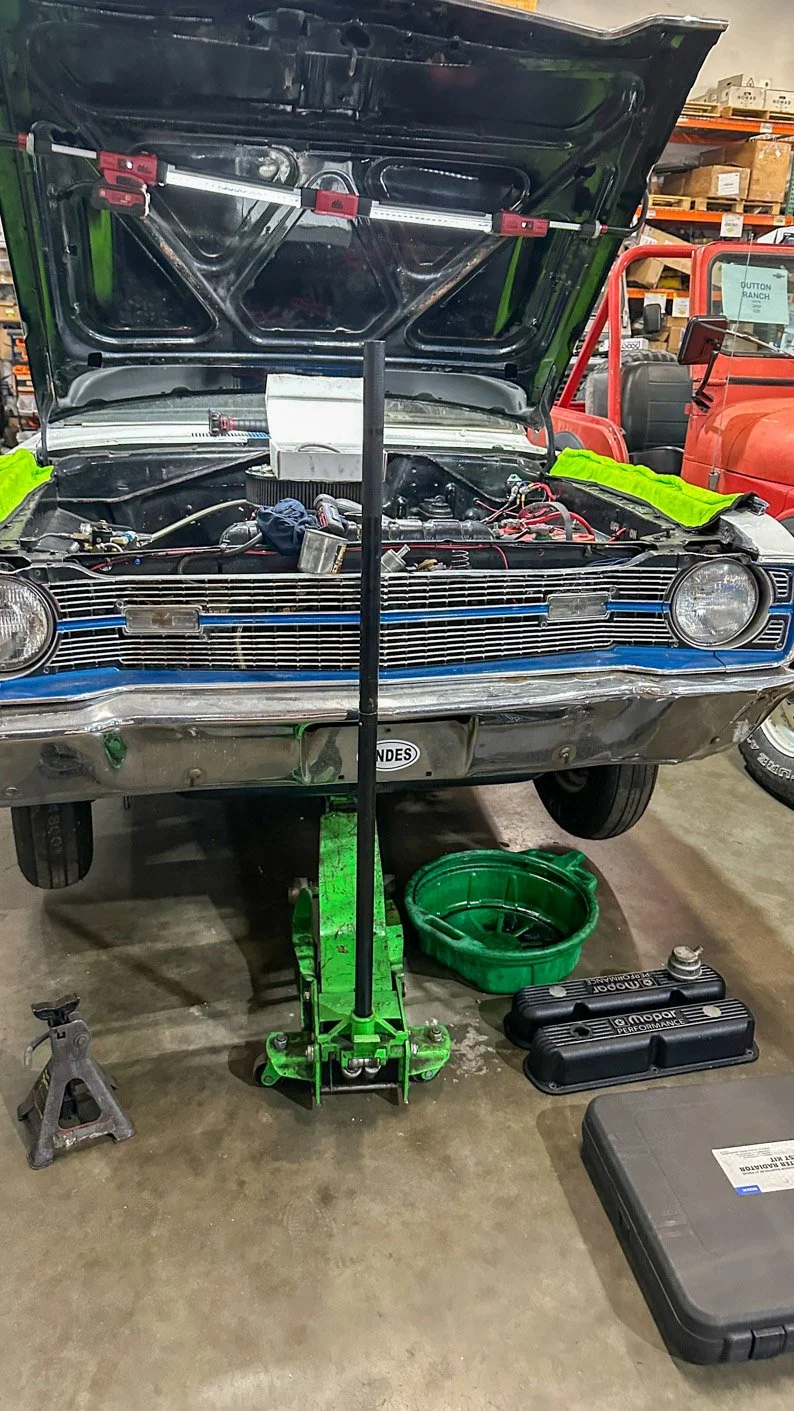
When this car came into Legacy Motorworks, it wasn’t a blank slate—it was a machine with history, but one that needed to be re-engineered from the ground up to perform the way a true nostalgia drag car should. What followed was a focused, mechanical-first rebuild—over 190 hours of labor dedicated almost entirely to drivetrain, chassis, and performance systems.
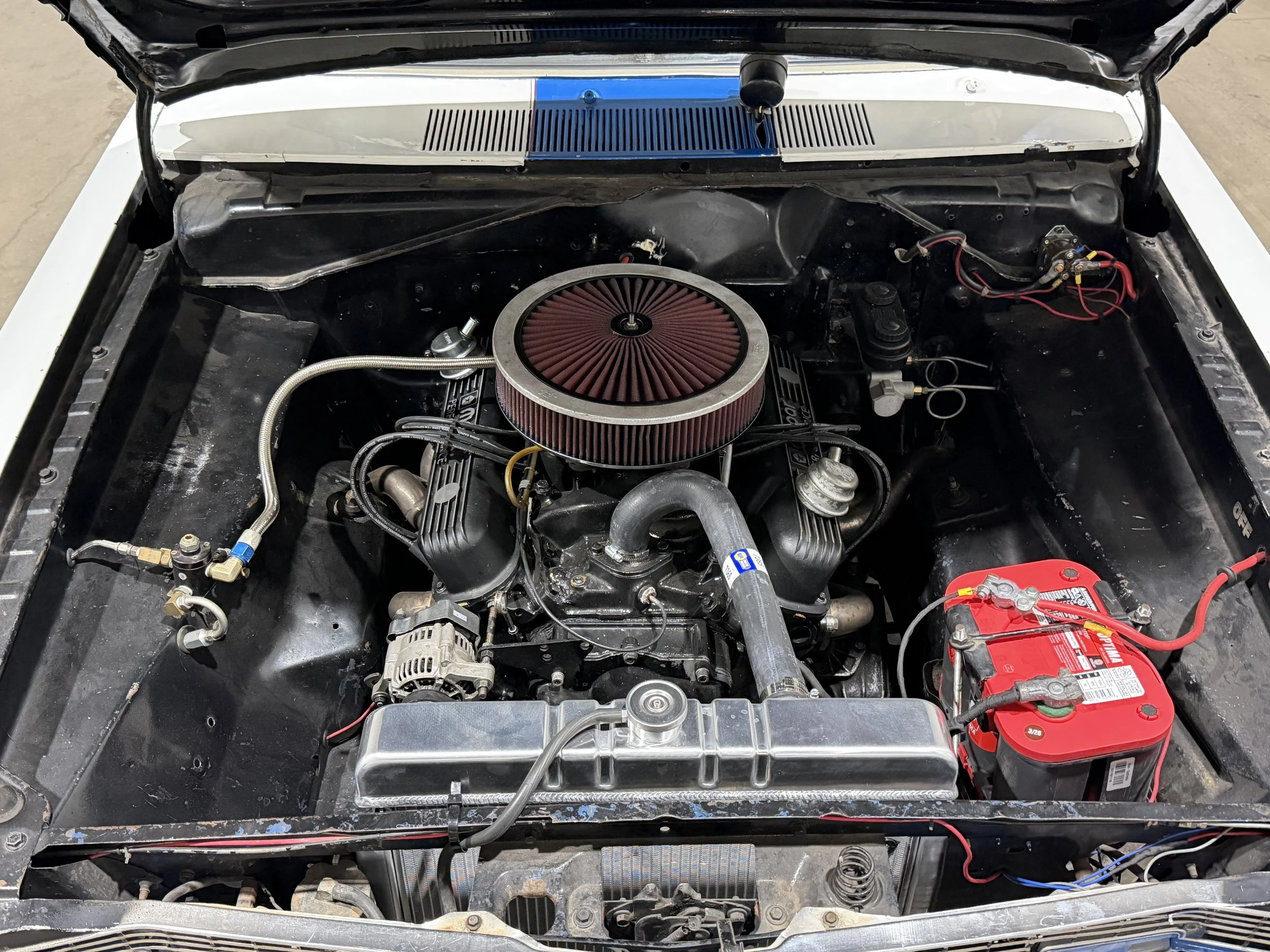
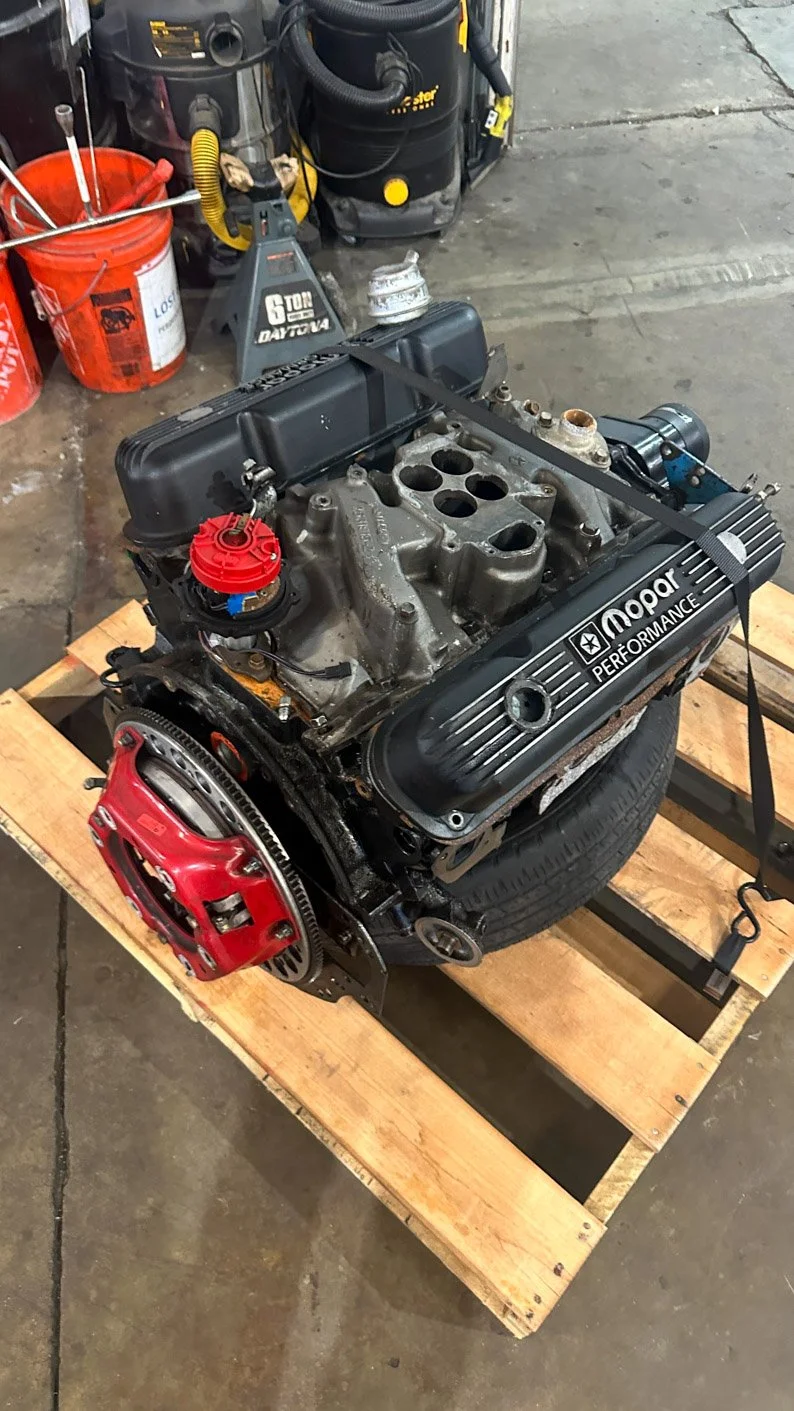
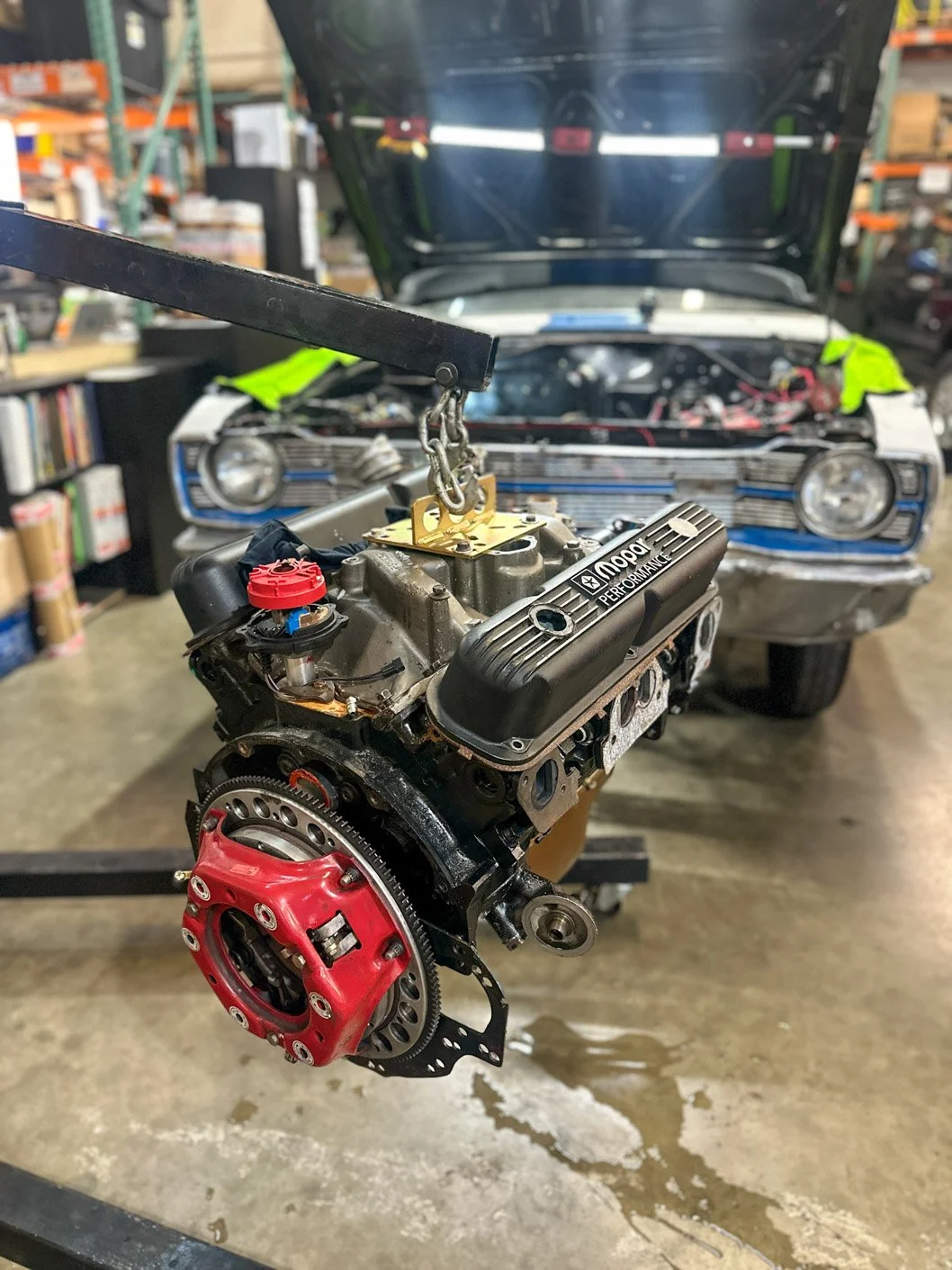
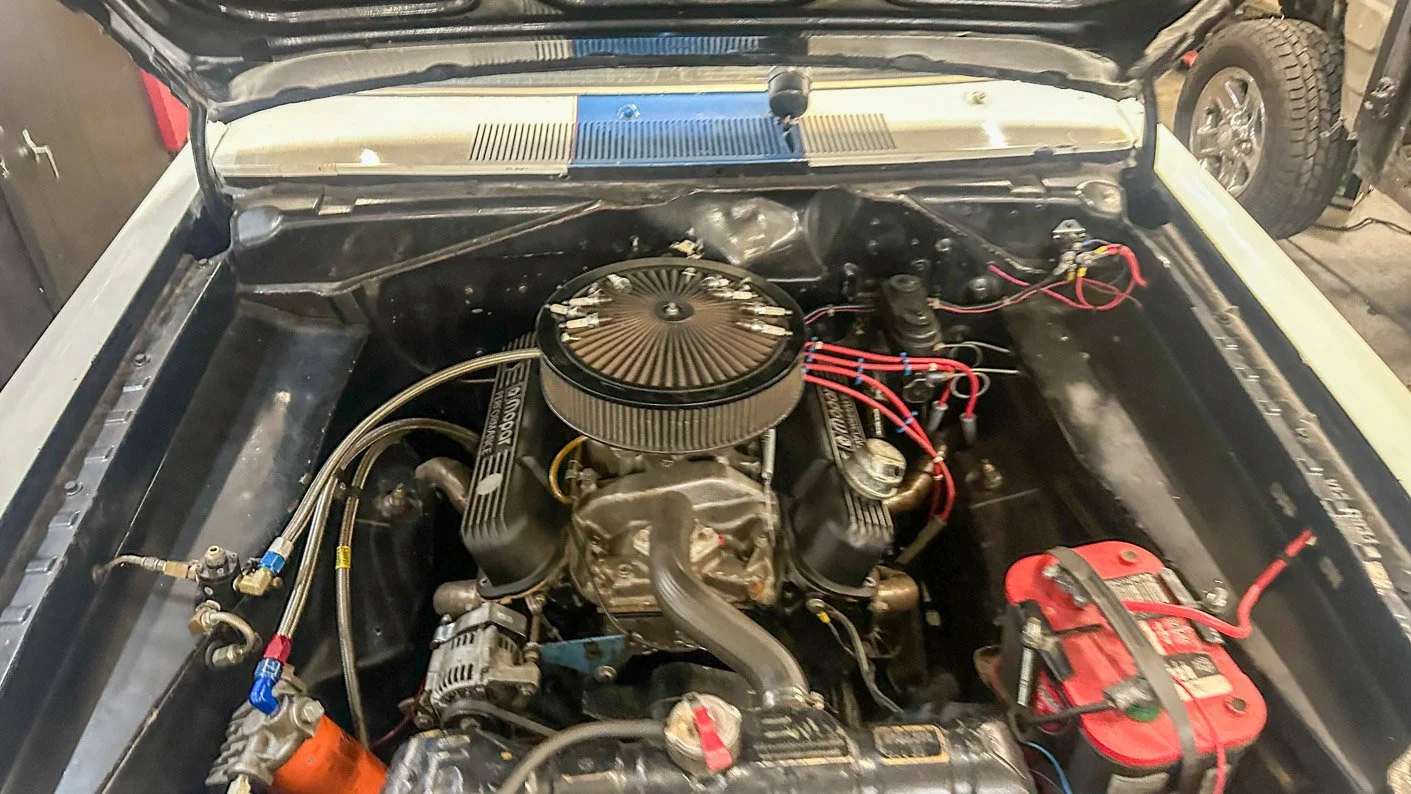
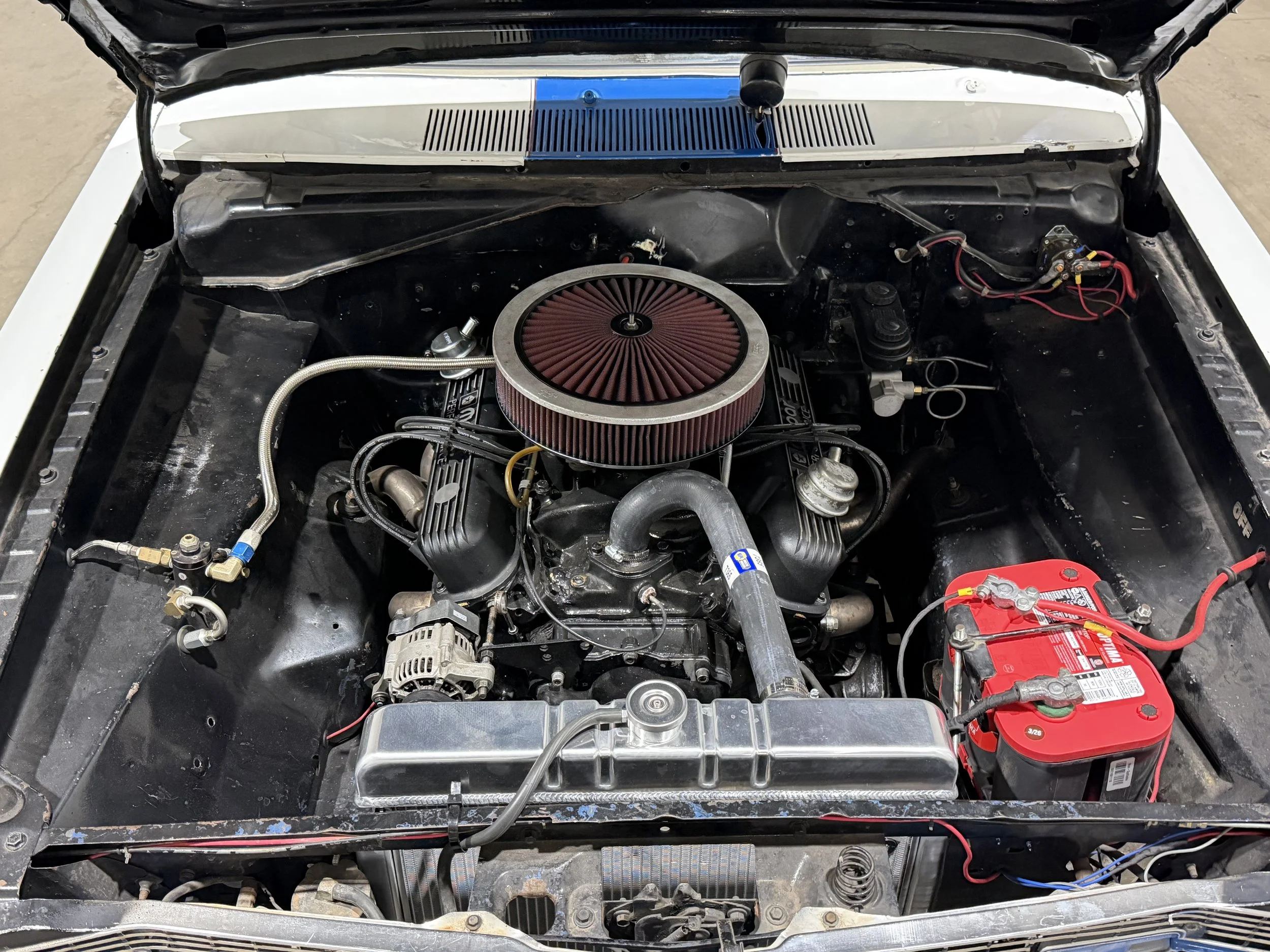
The engine sat at the center of everything.
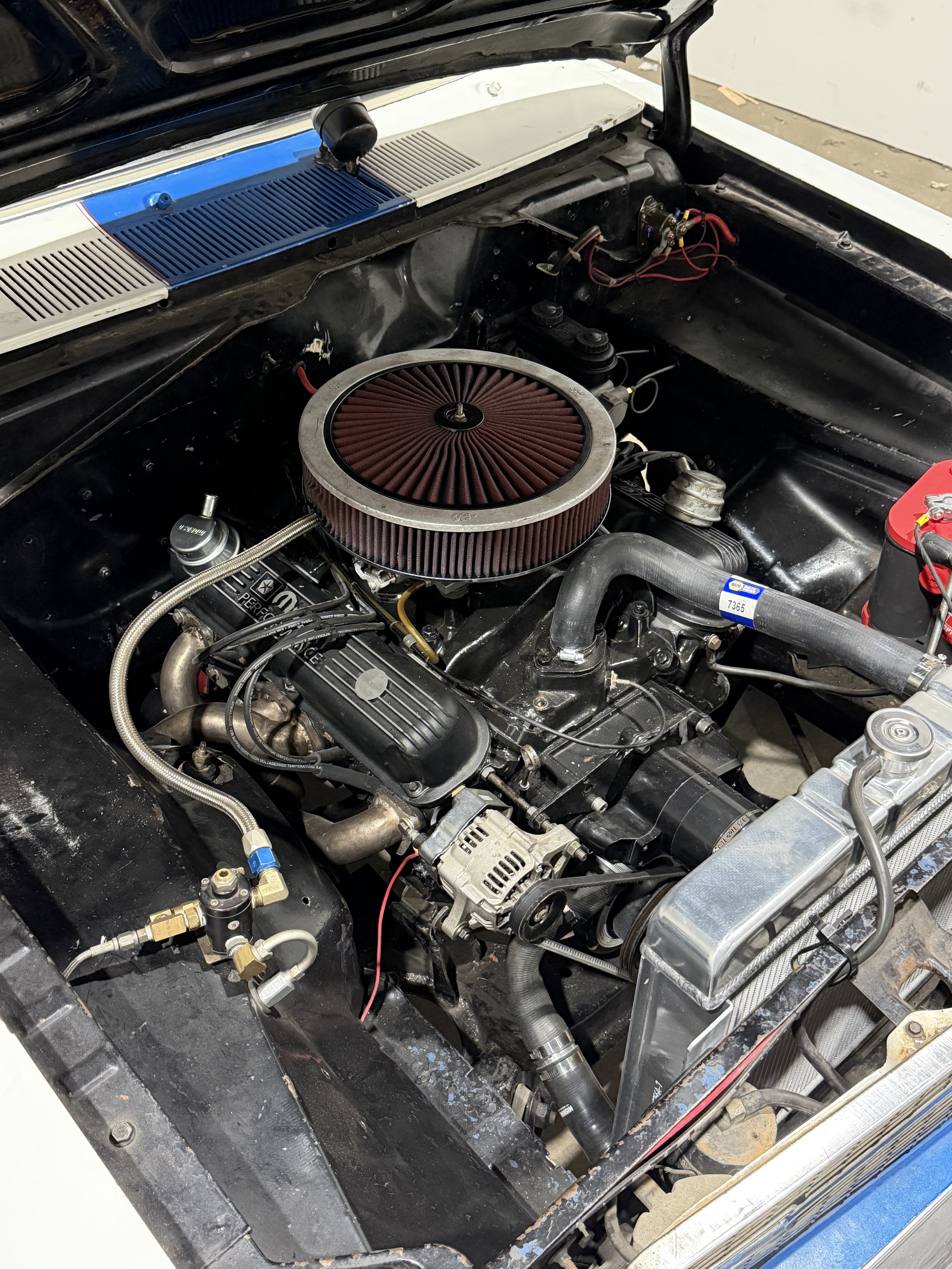
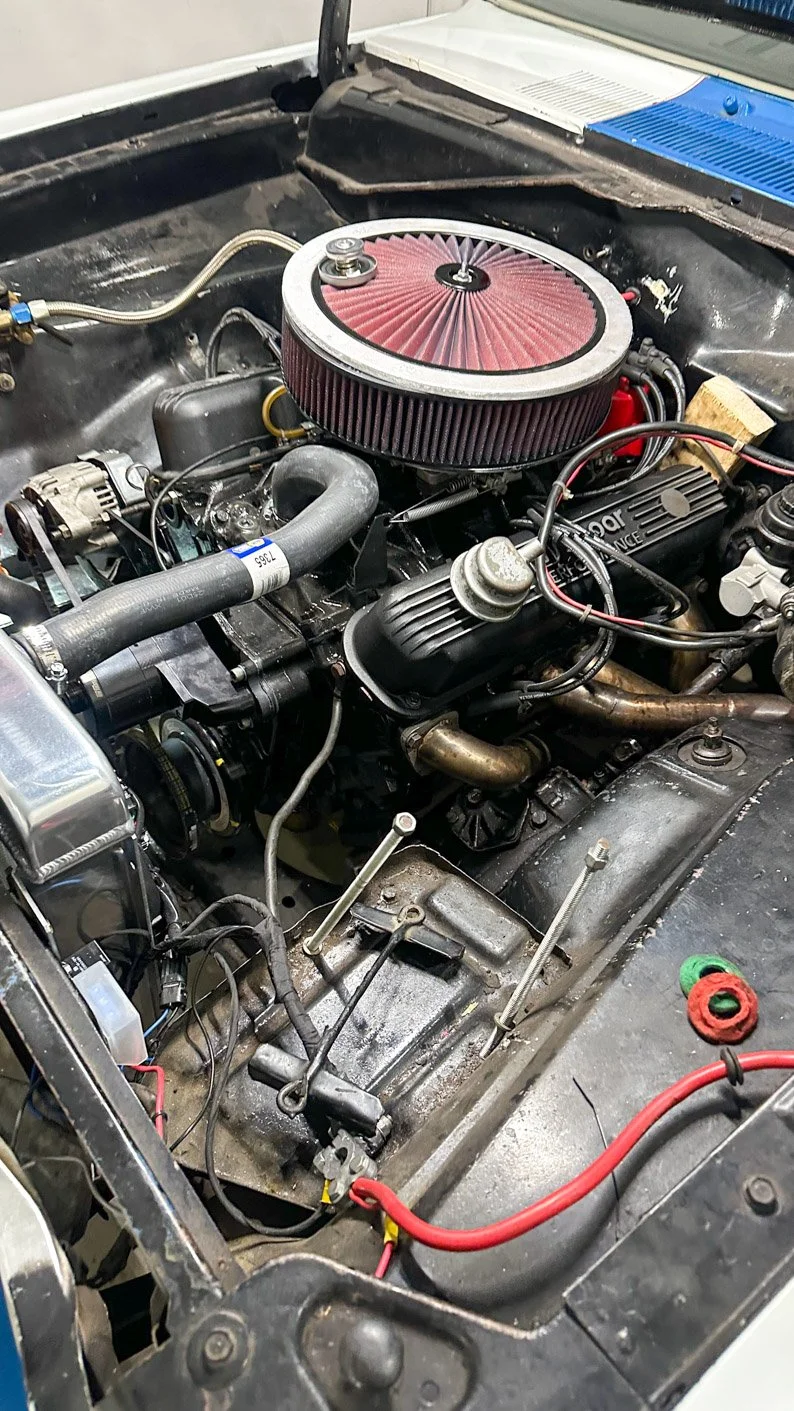
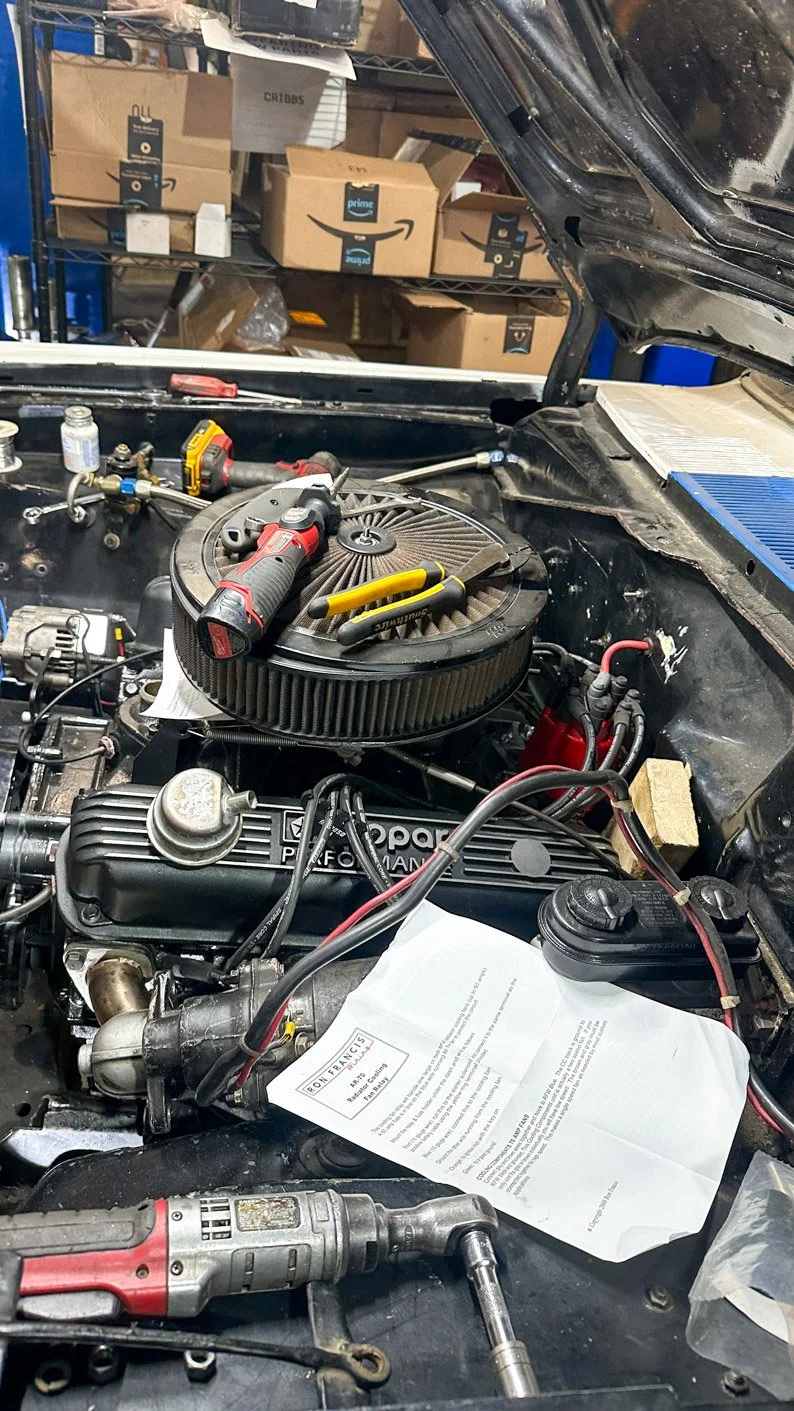
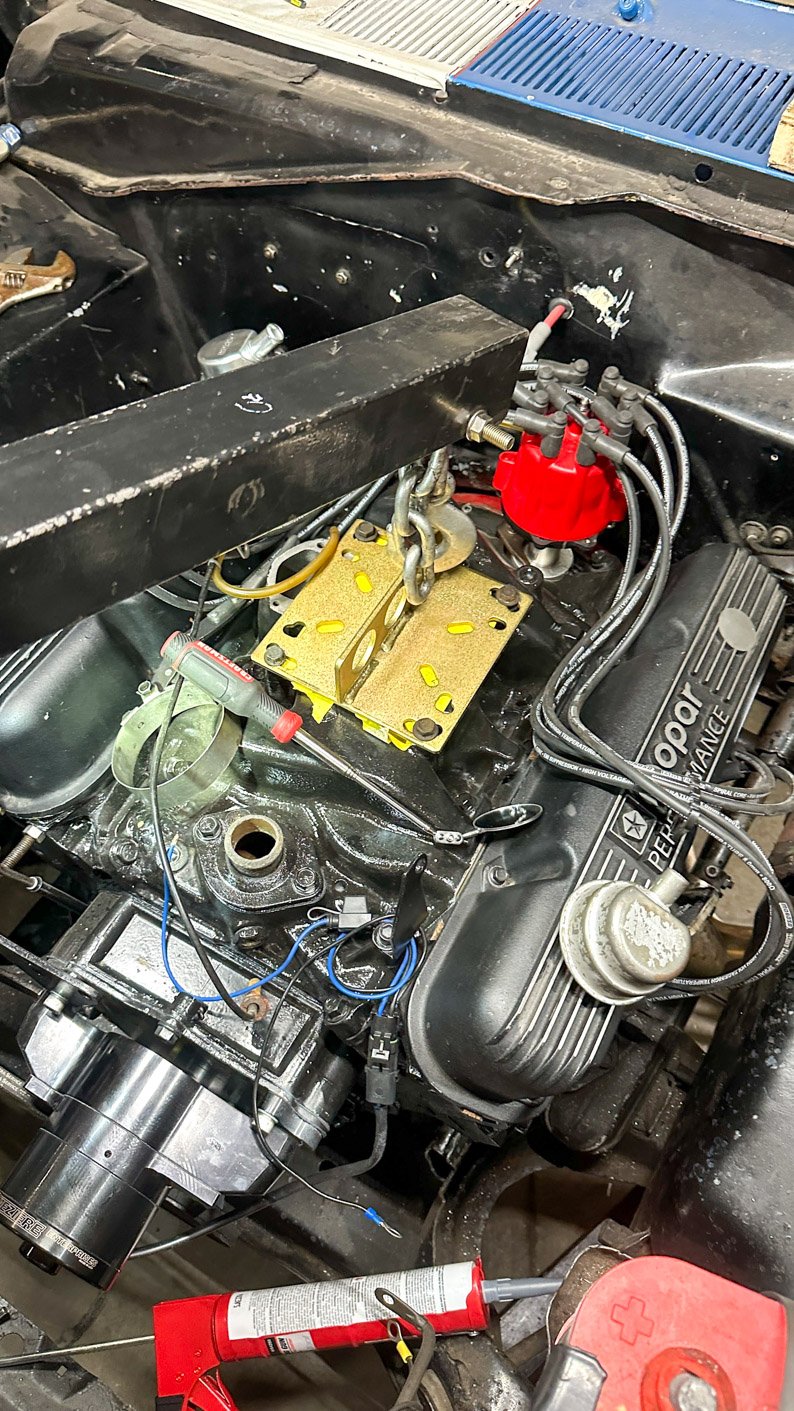
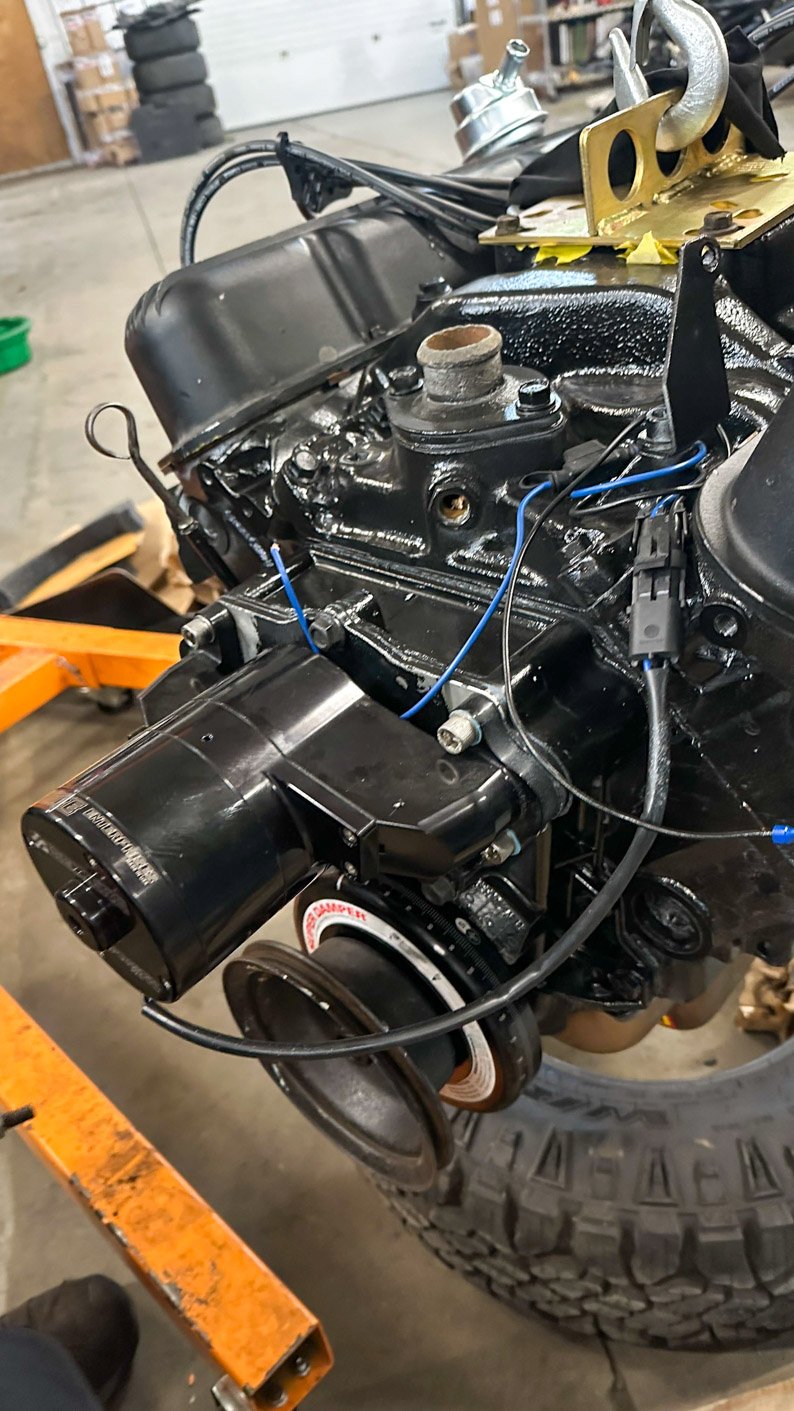
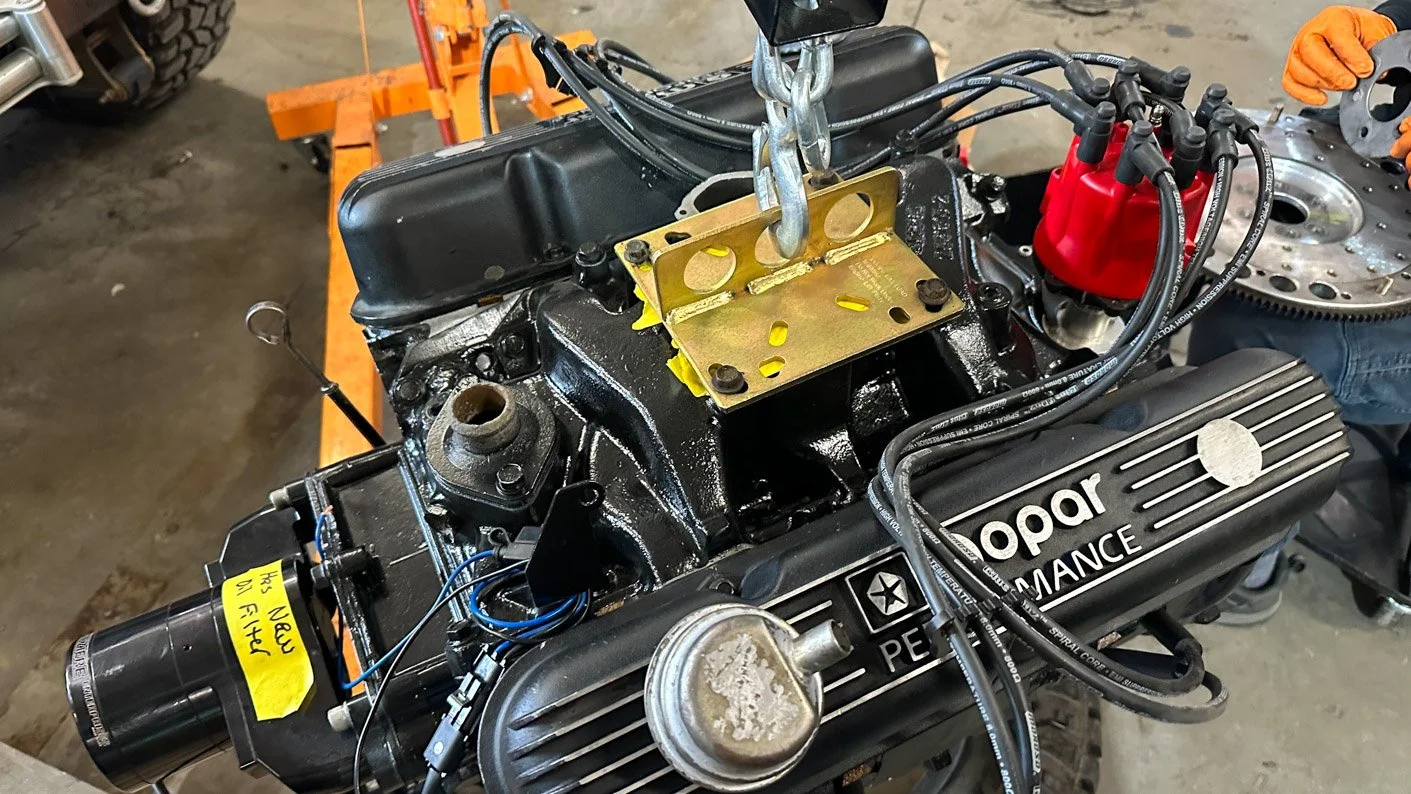
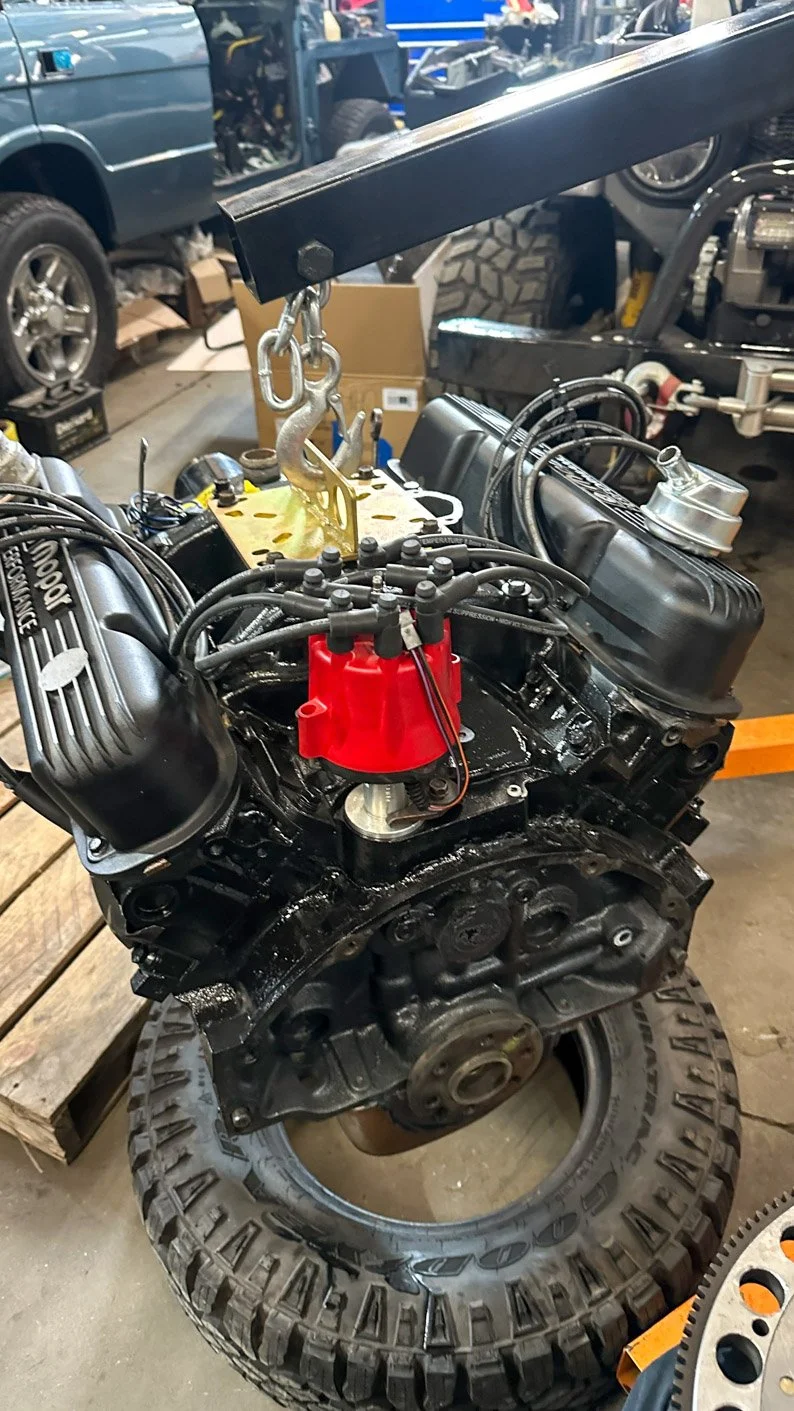
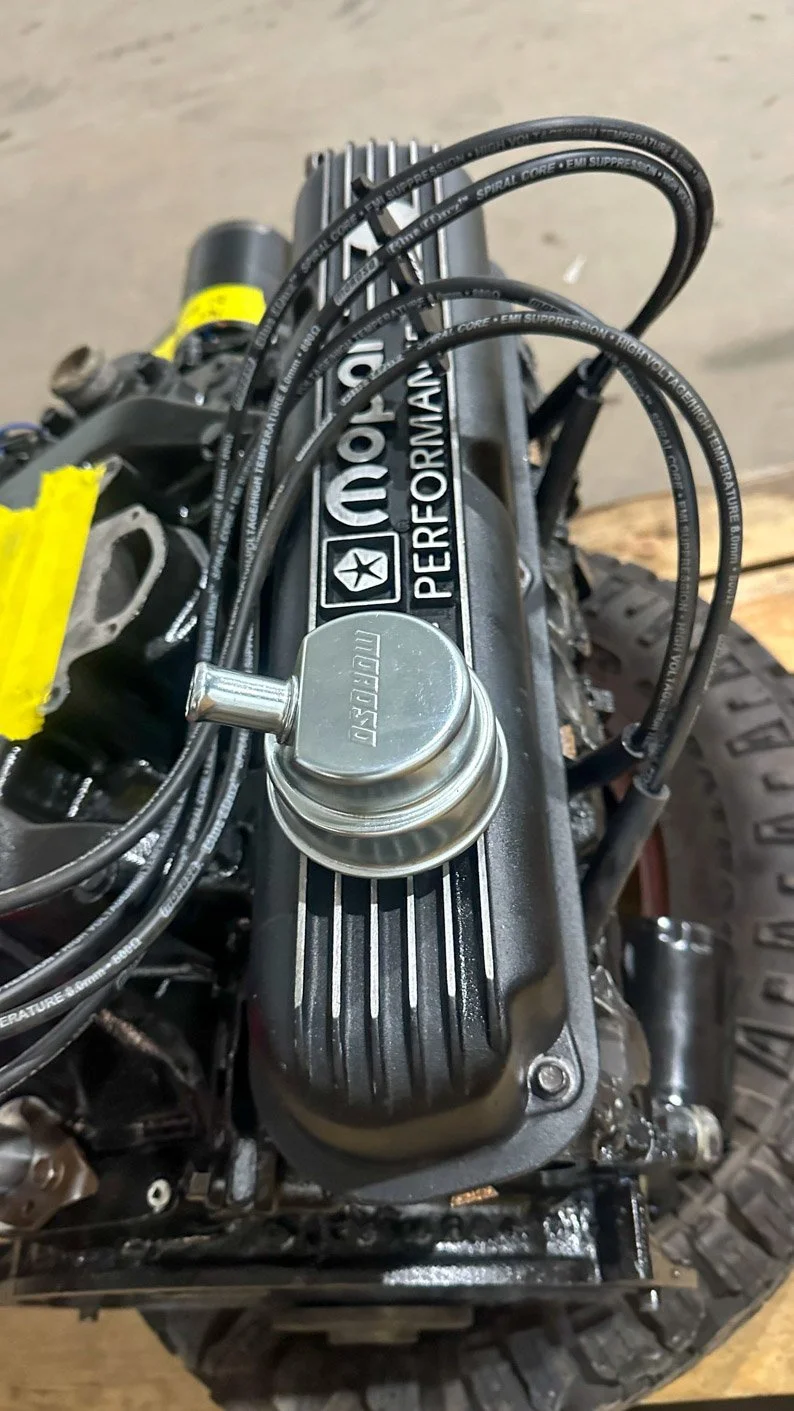
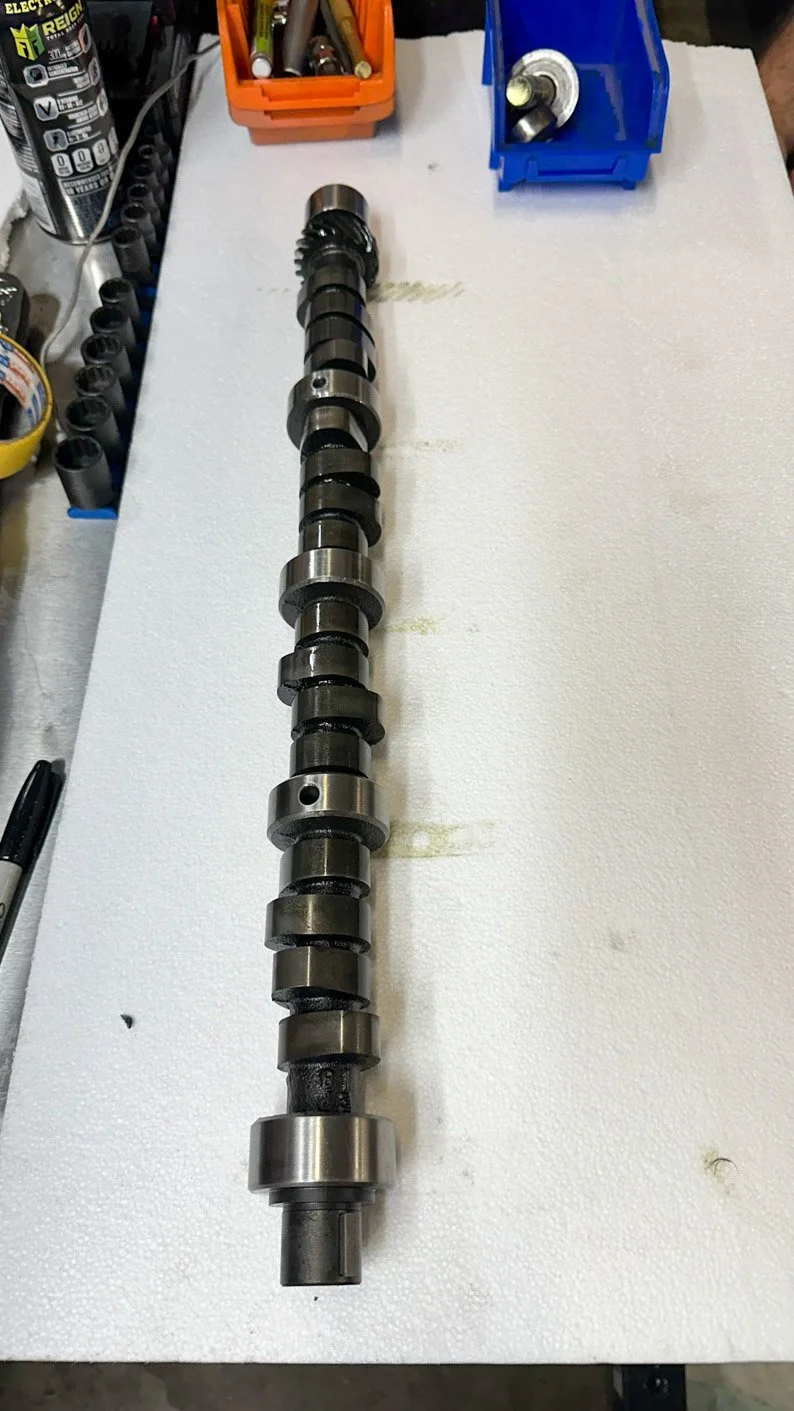
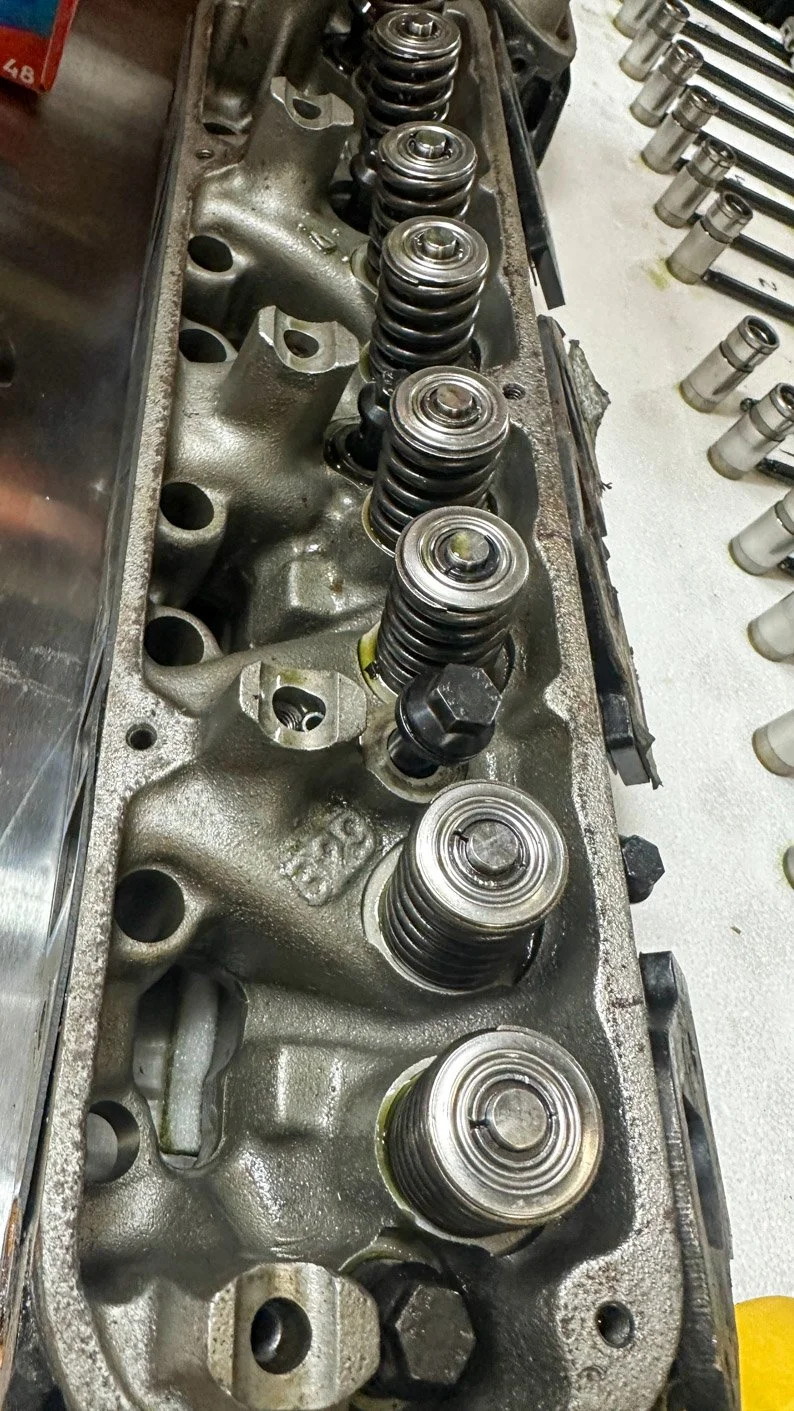
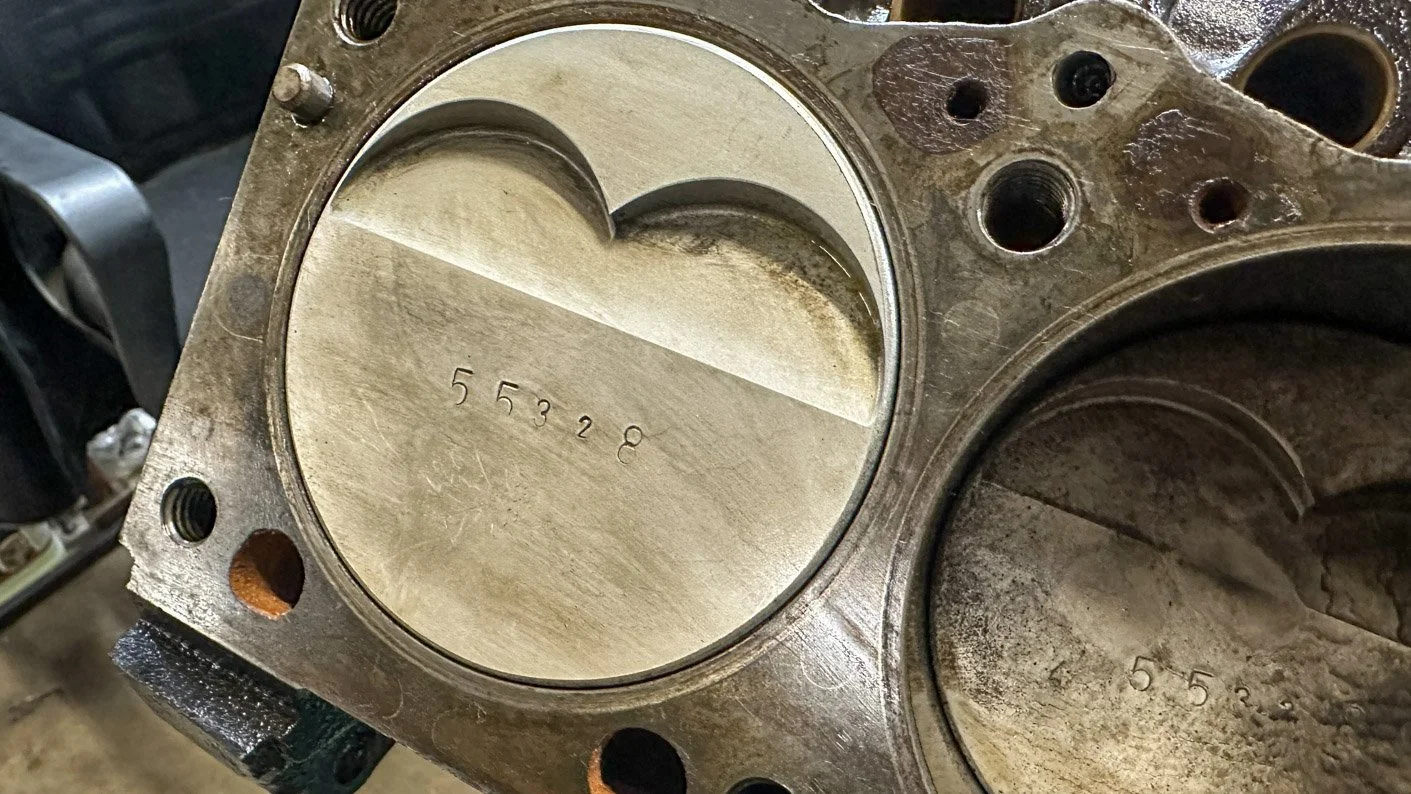
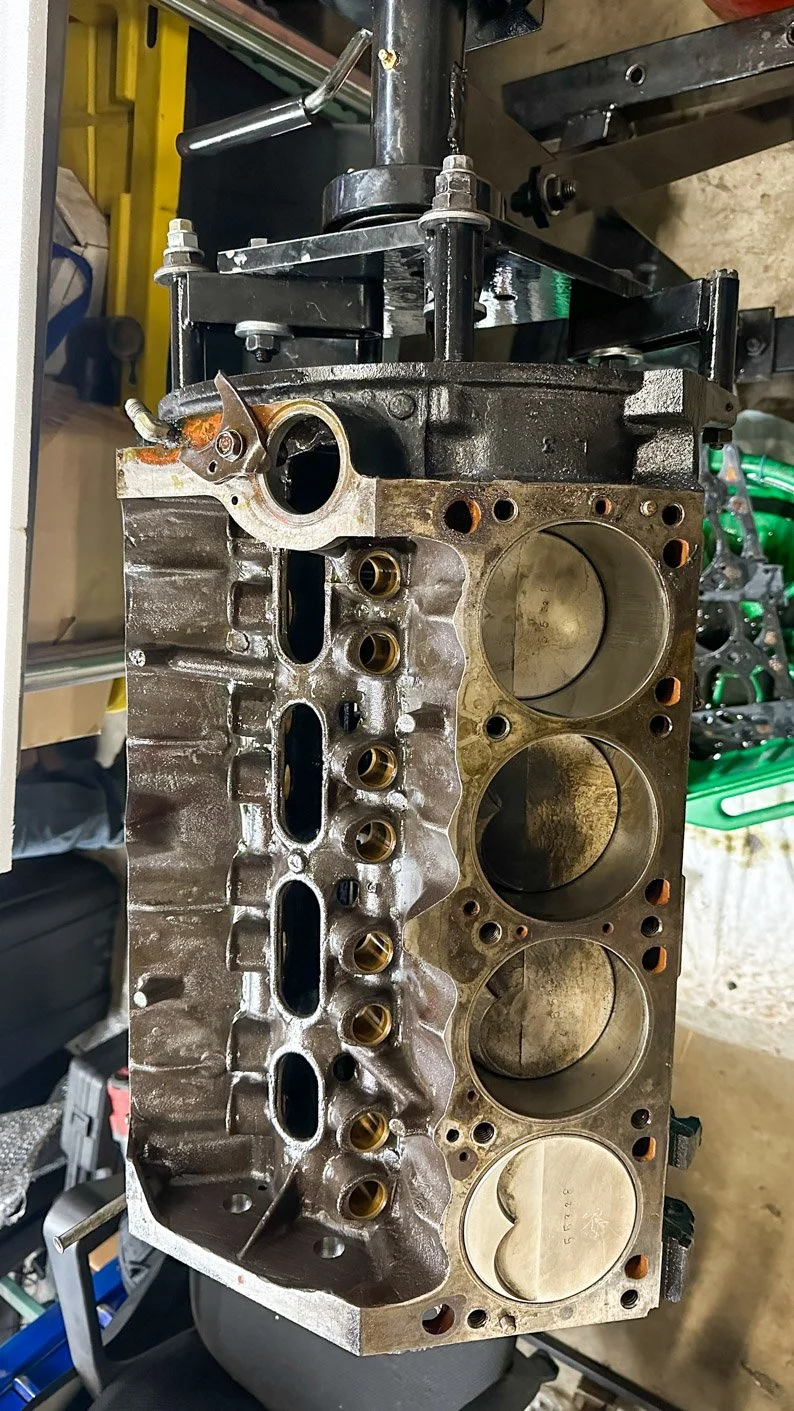
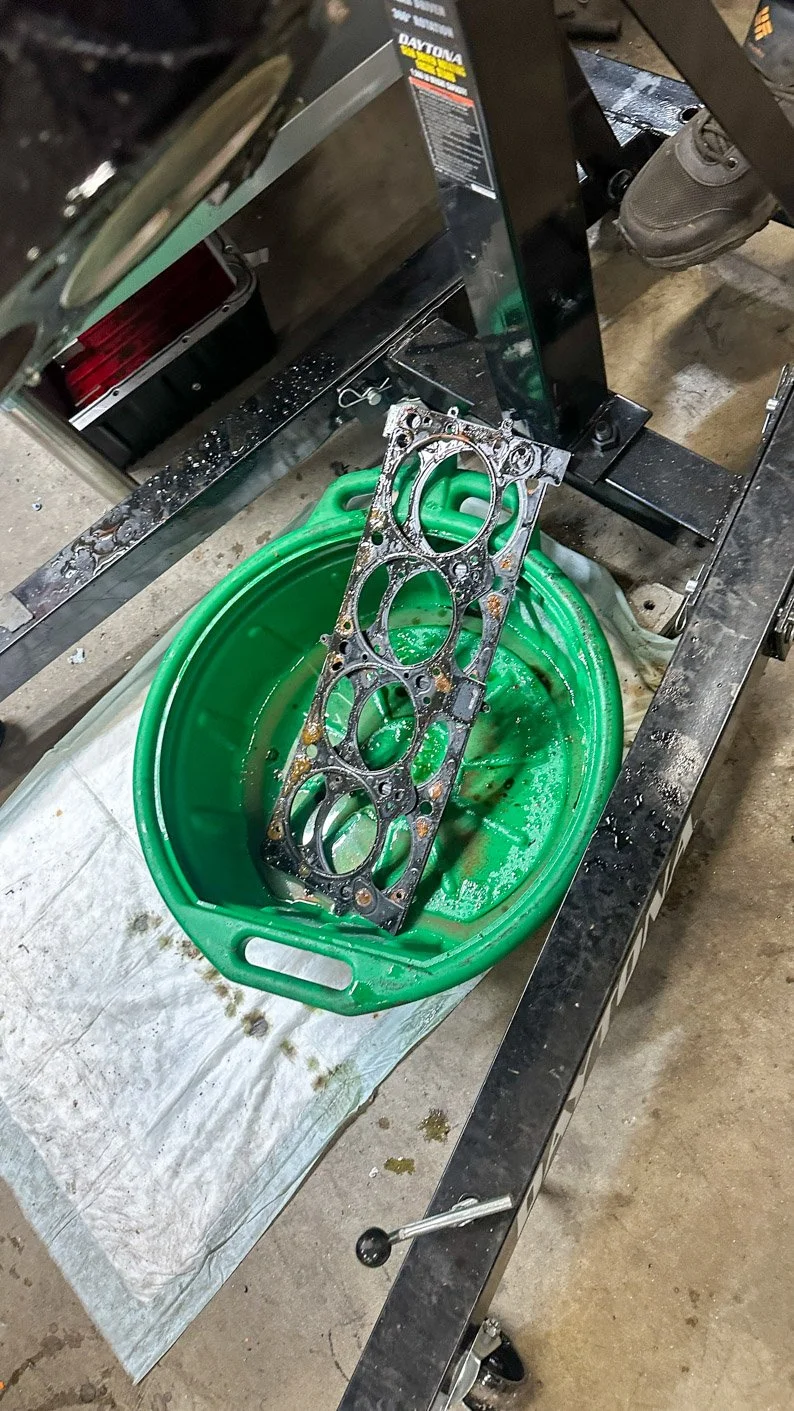
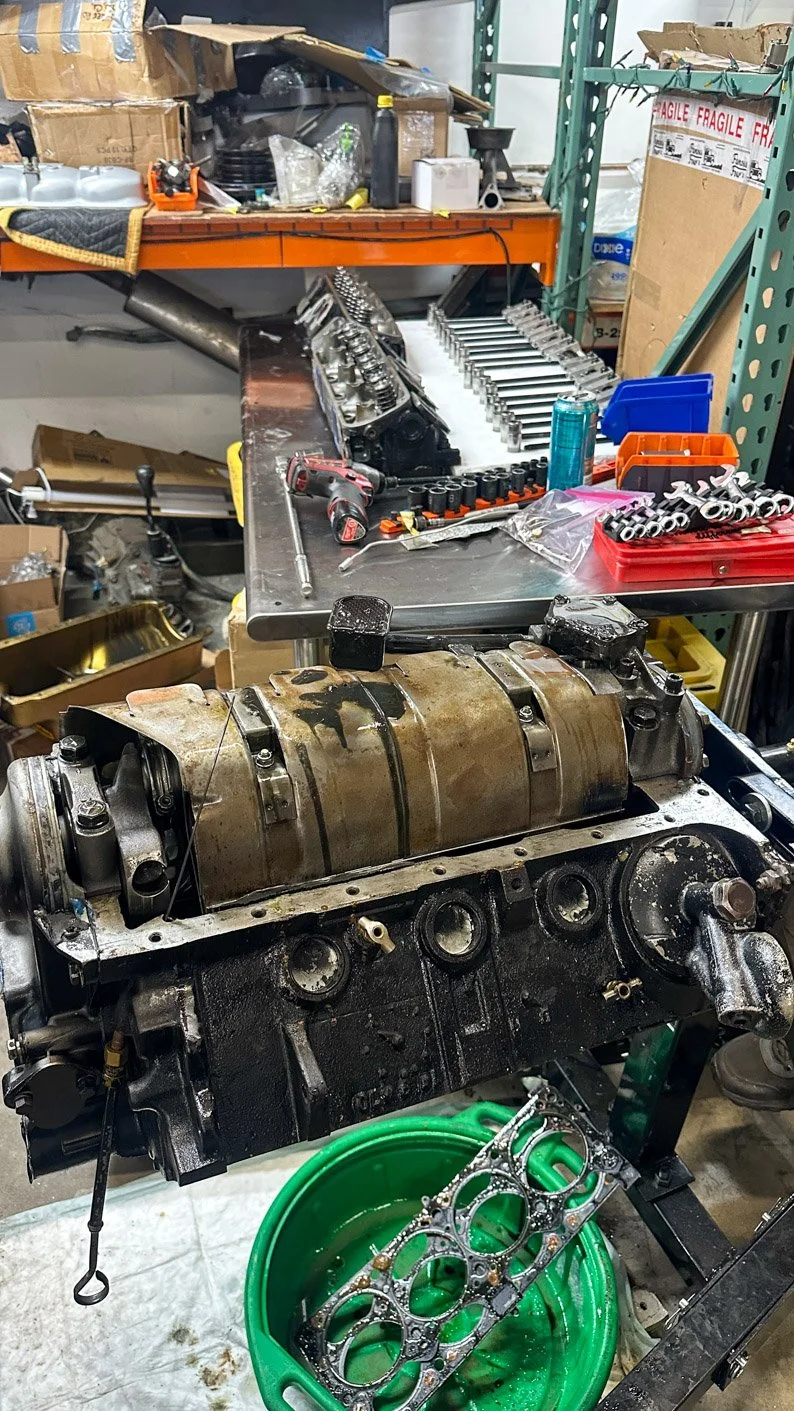
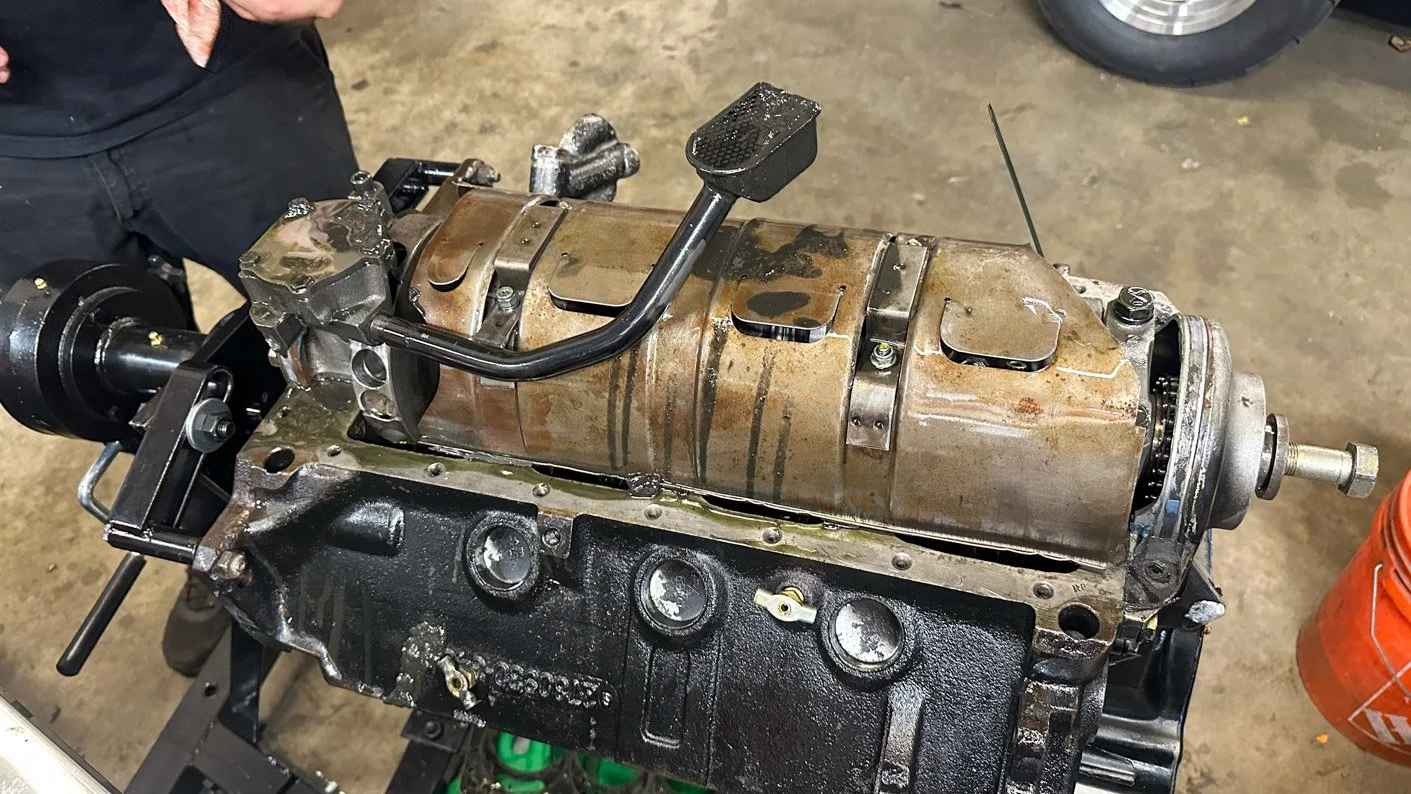
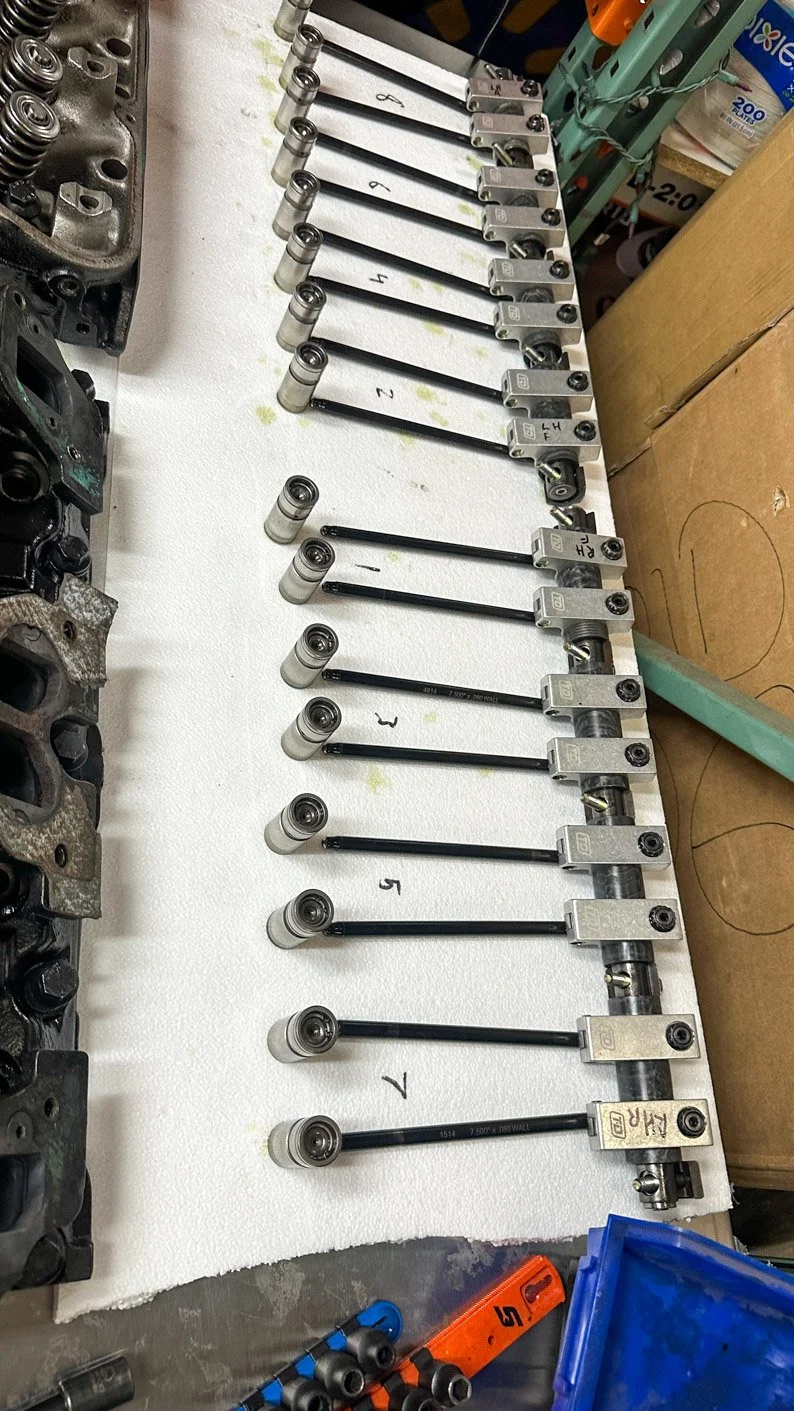
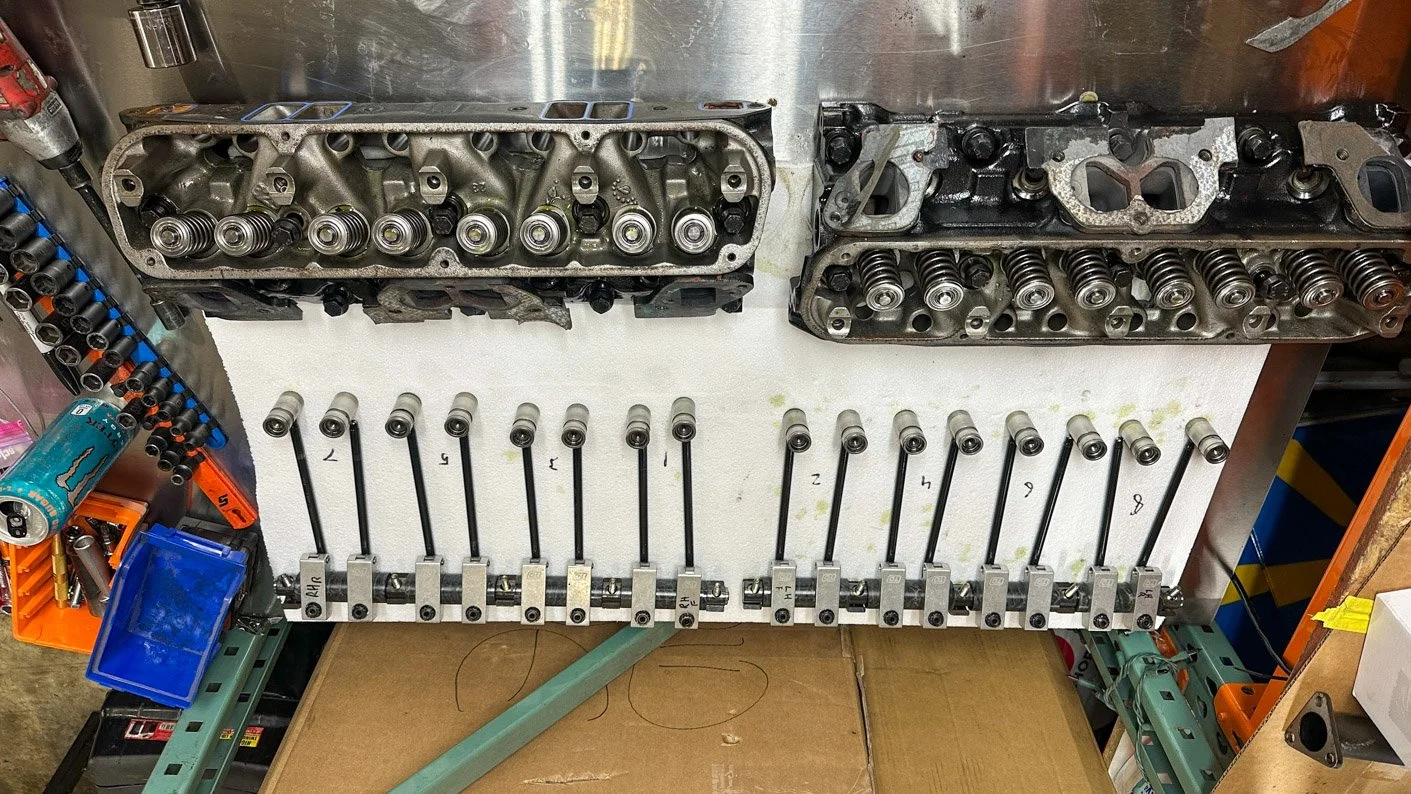
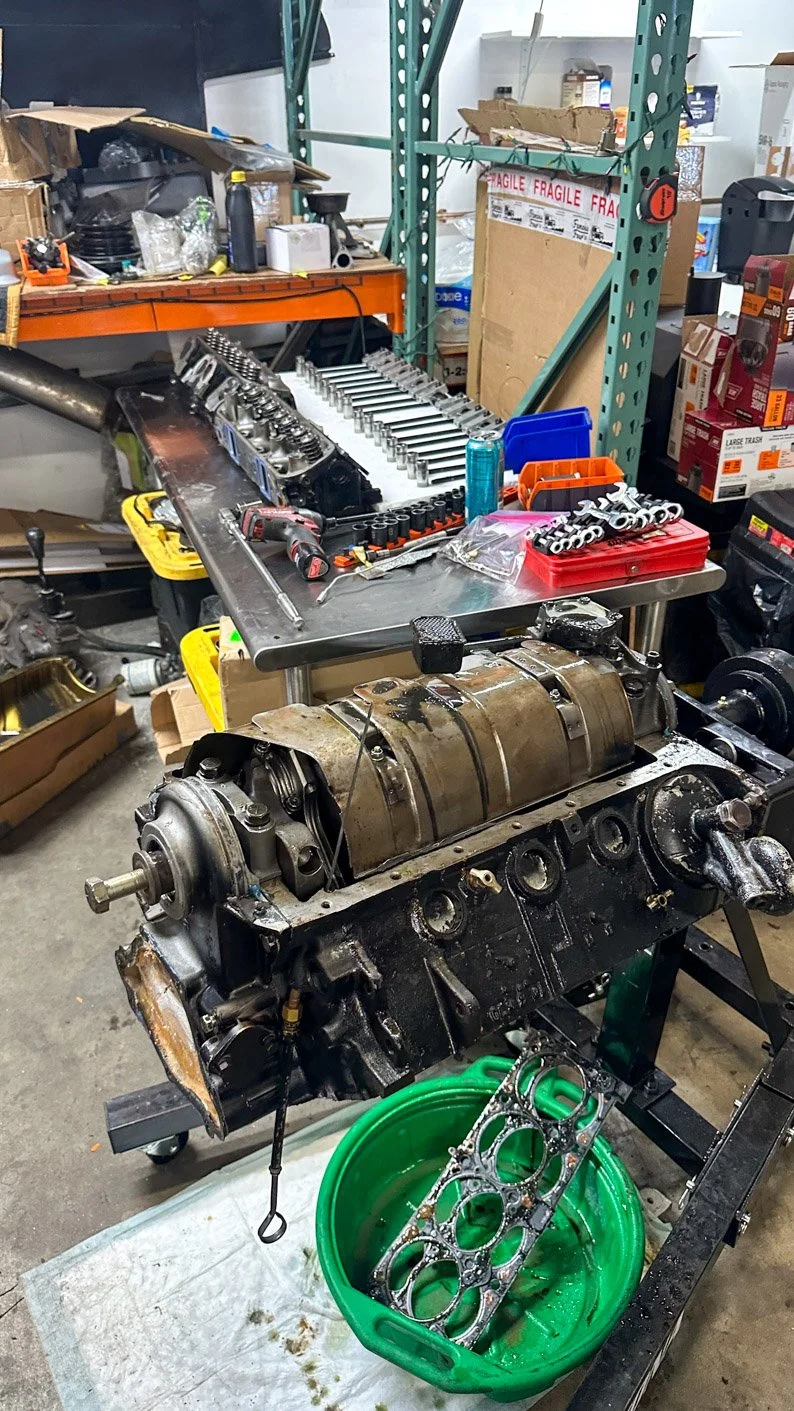
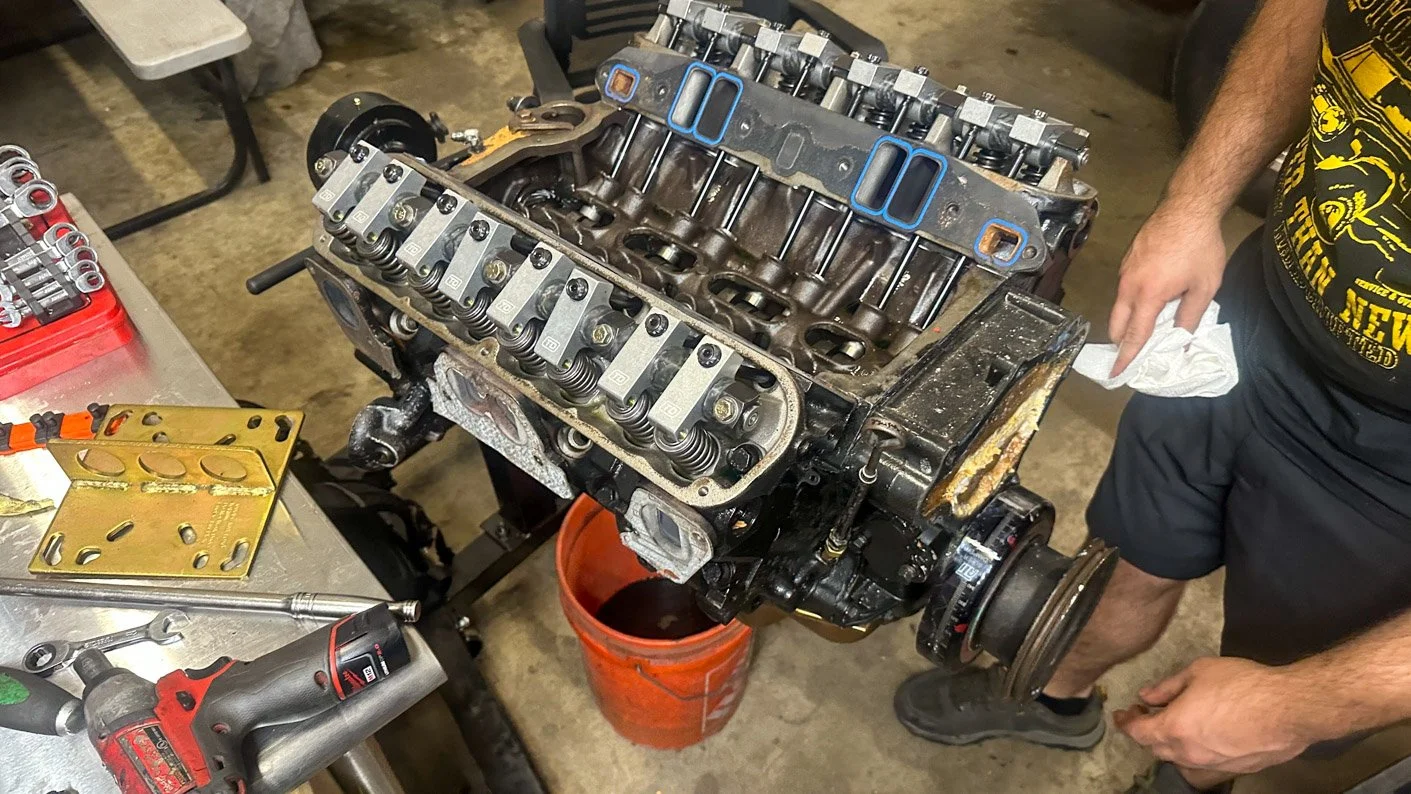
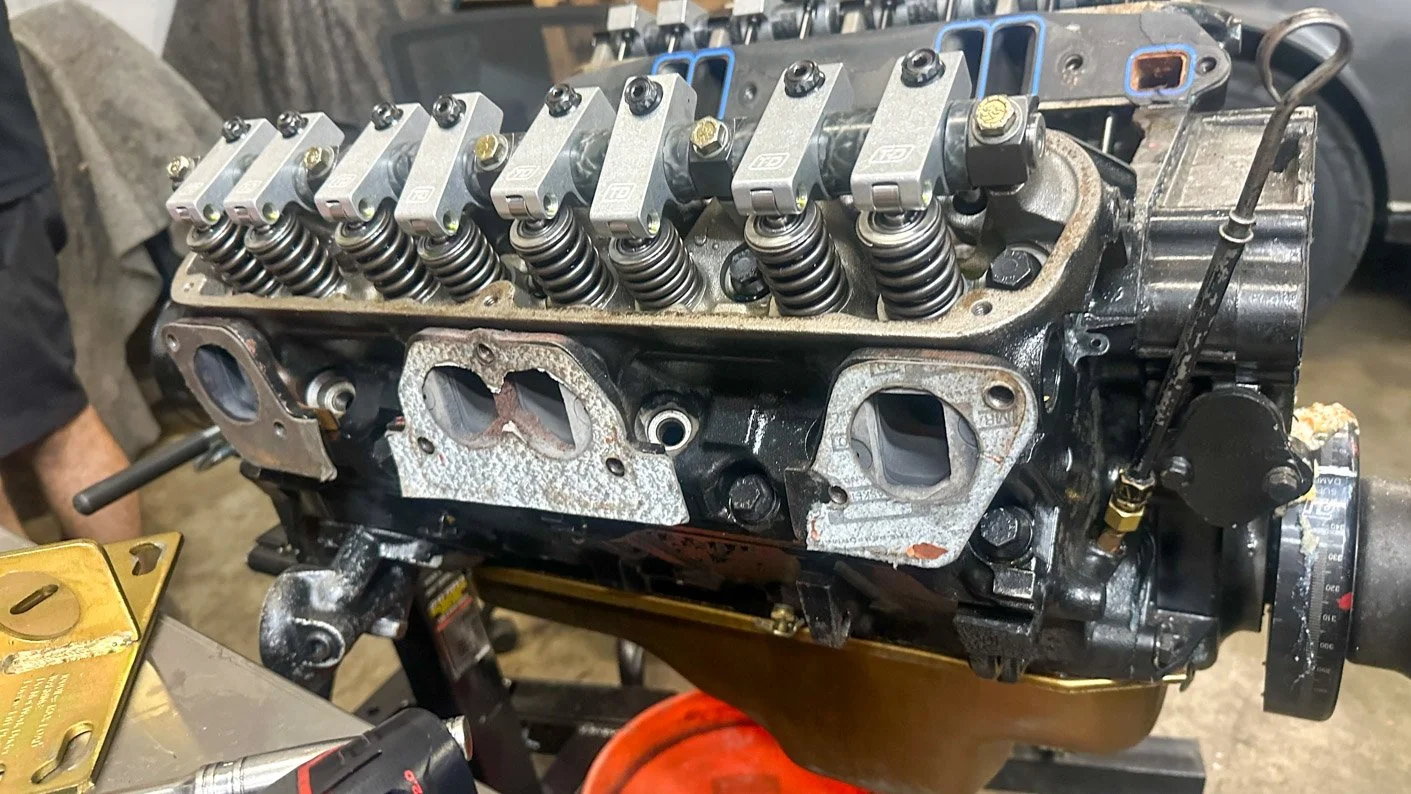
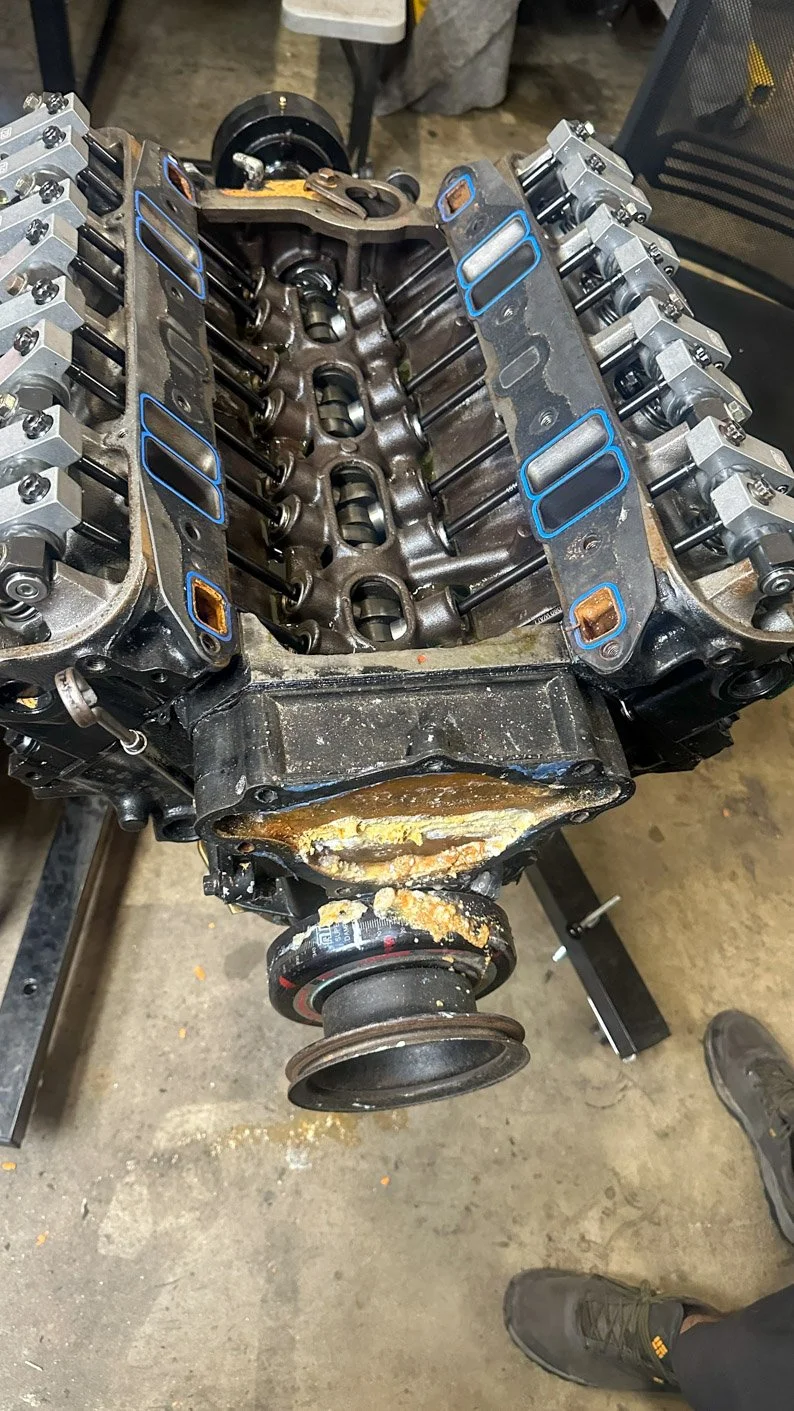
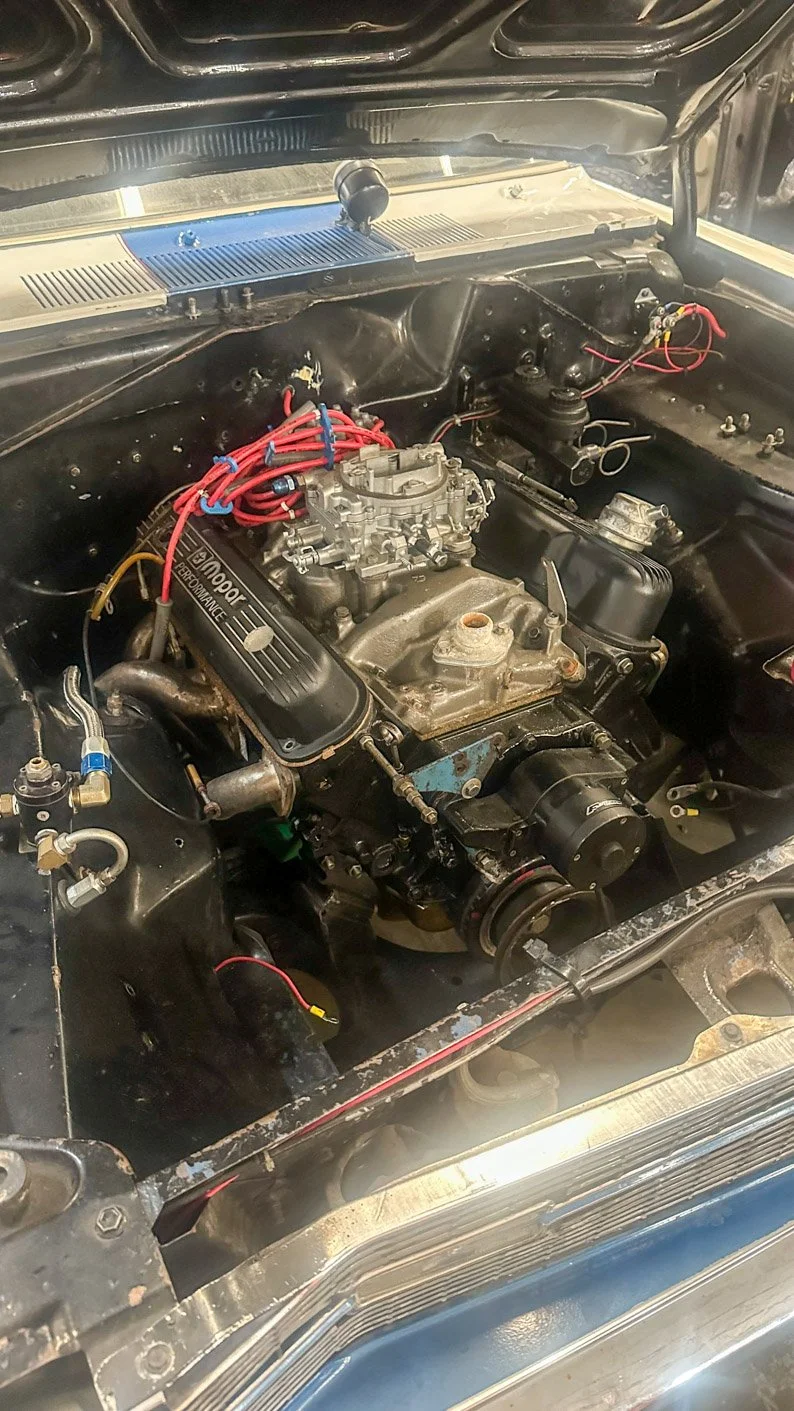
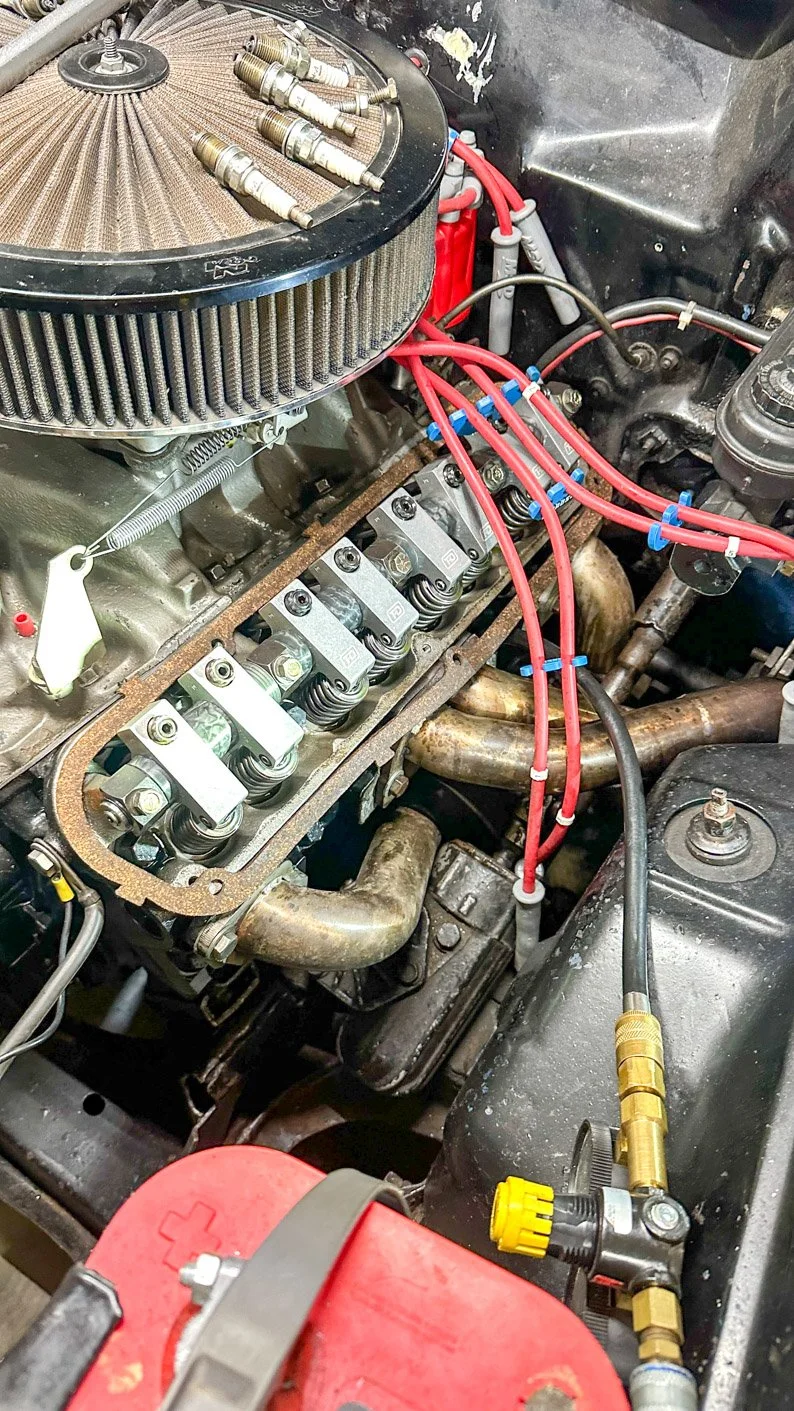
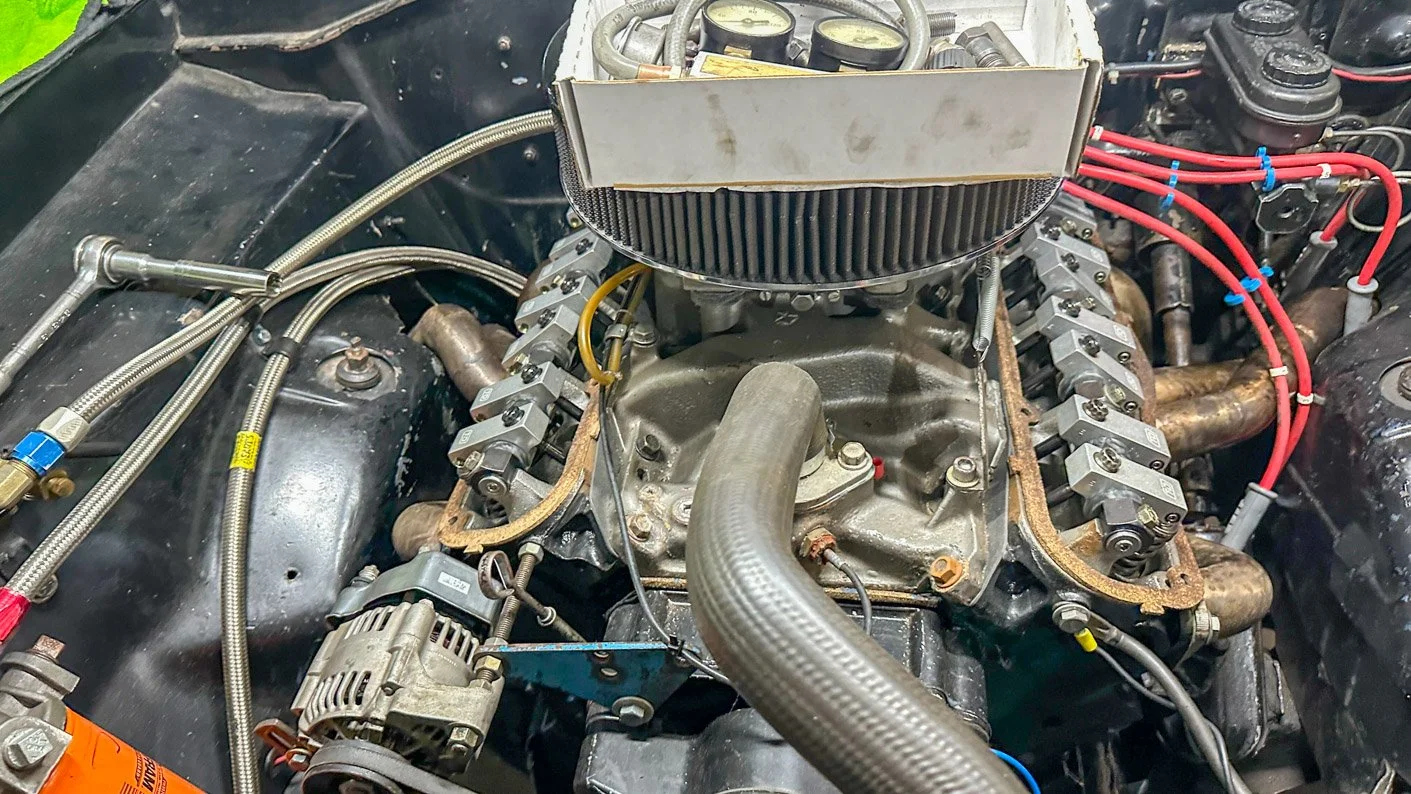
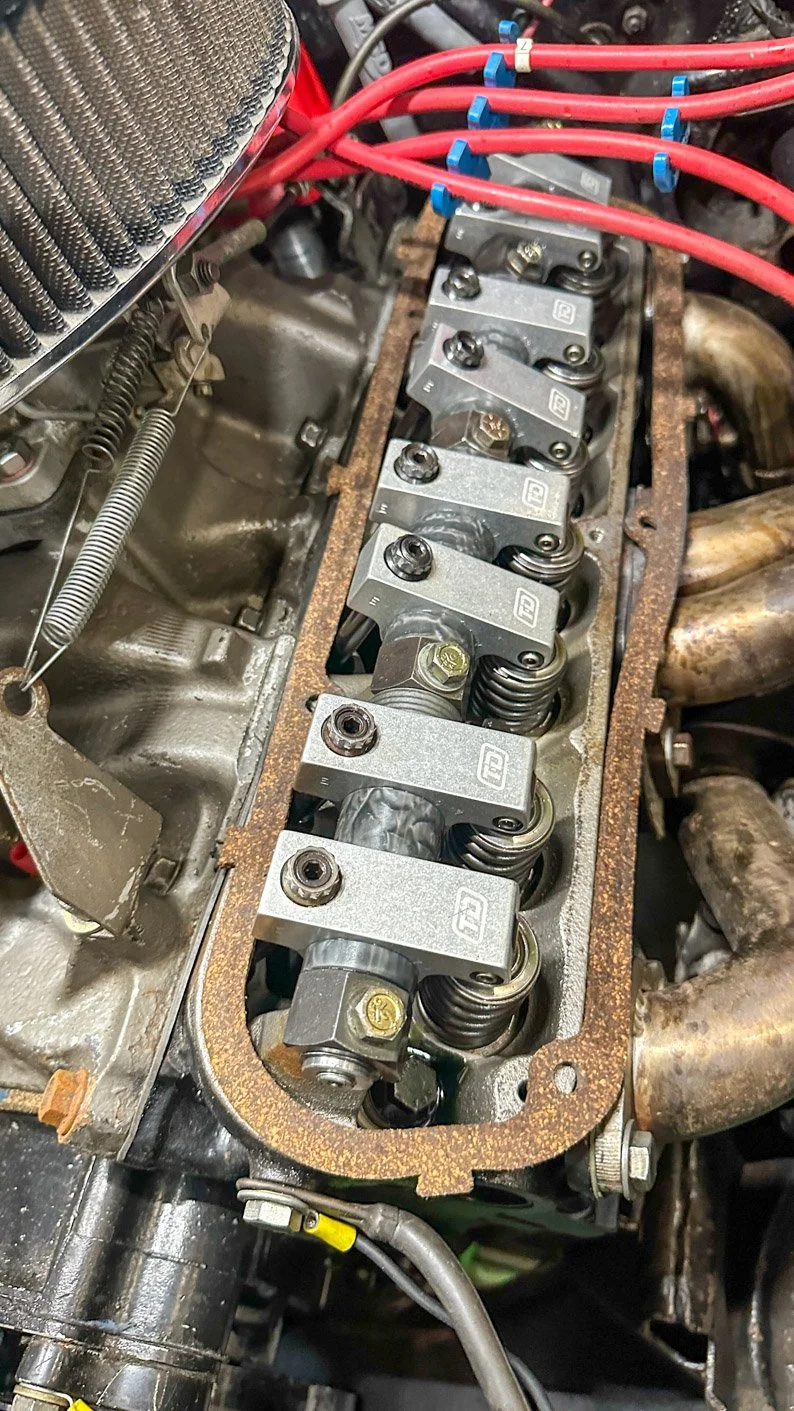
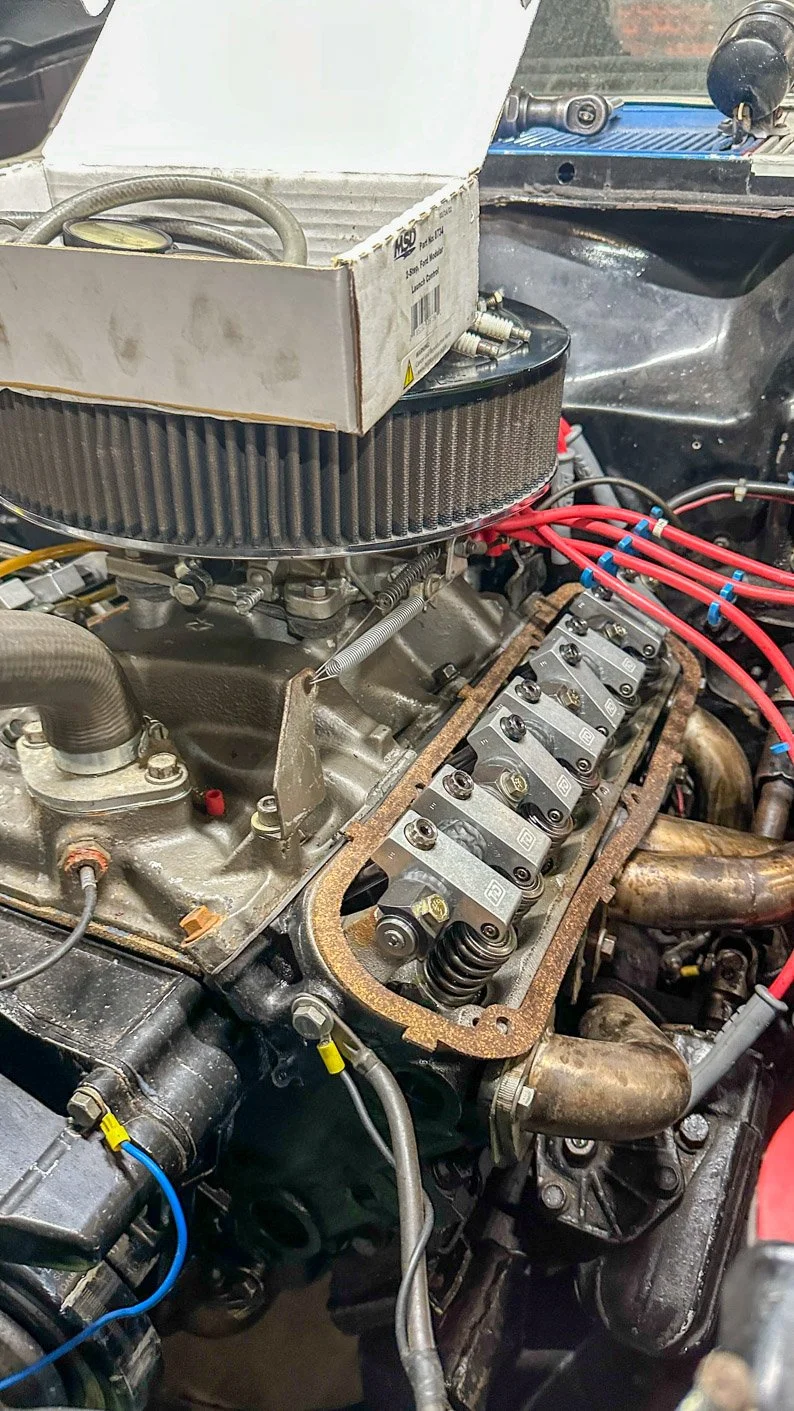
Fully disassembled, inspected, and rebuilt, it revealed exactly what you’d expect from a hard-run drag motor—wear, fatigue, and components pushed well beyond their intended limits. Bearings, pistons, valvetrain, timing assembly—everything was gone through, corrected, and reassembled with performance in mind. This wasn’t just a rebuild—it was a reset, engineered to handle power, heat, and sustained load under race conditions.
But power without control is useless.
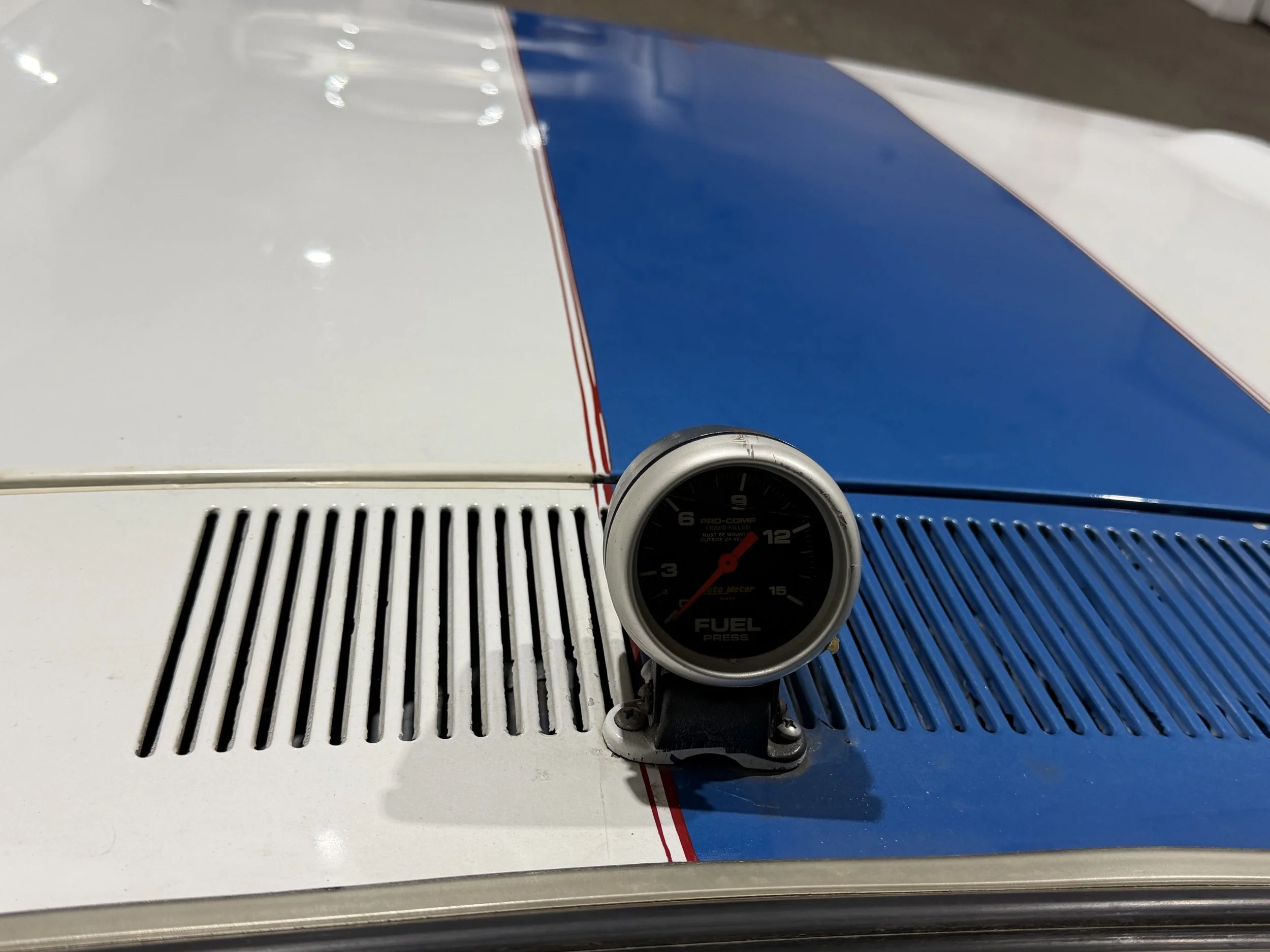
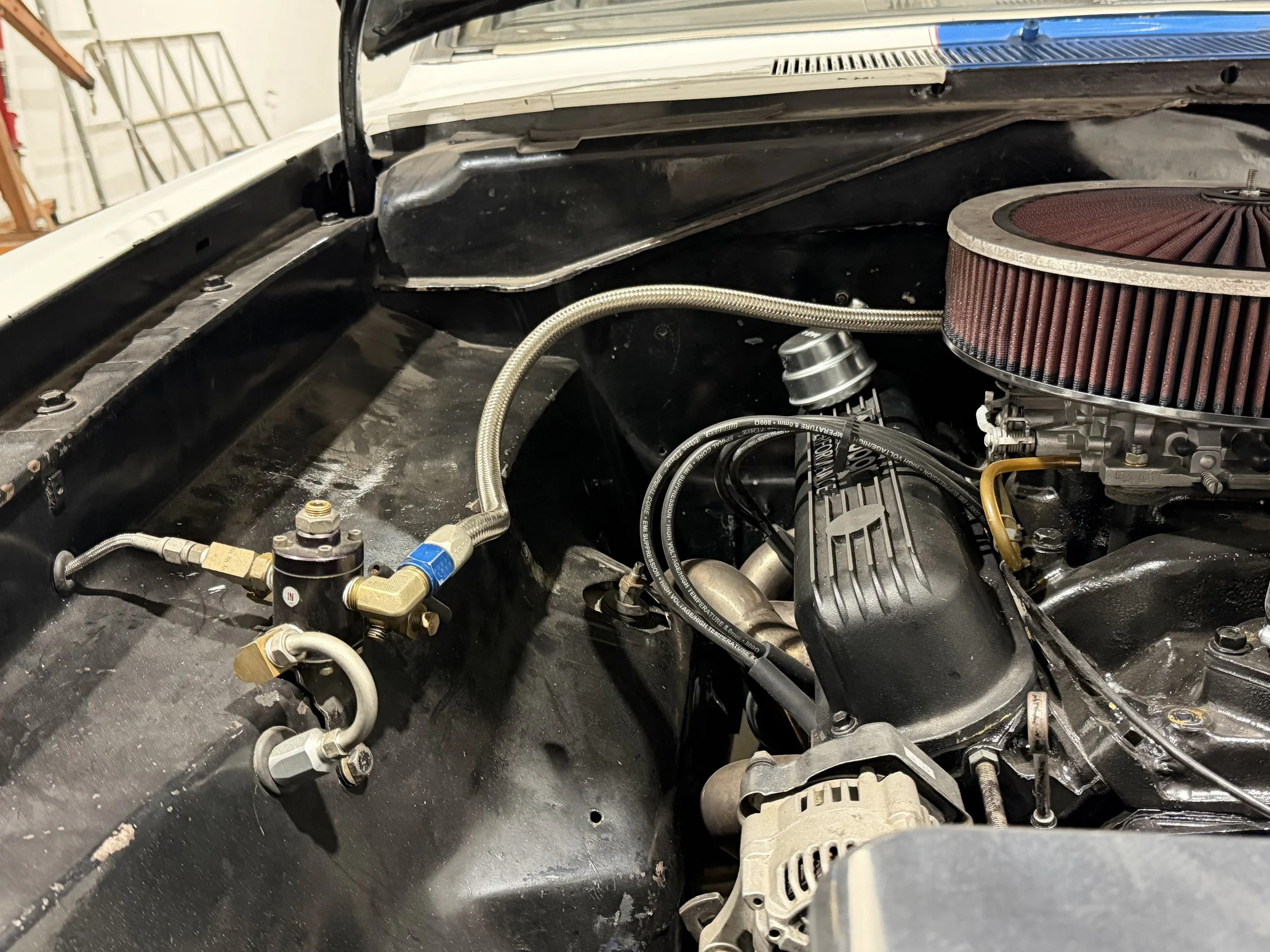
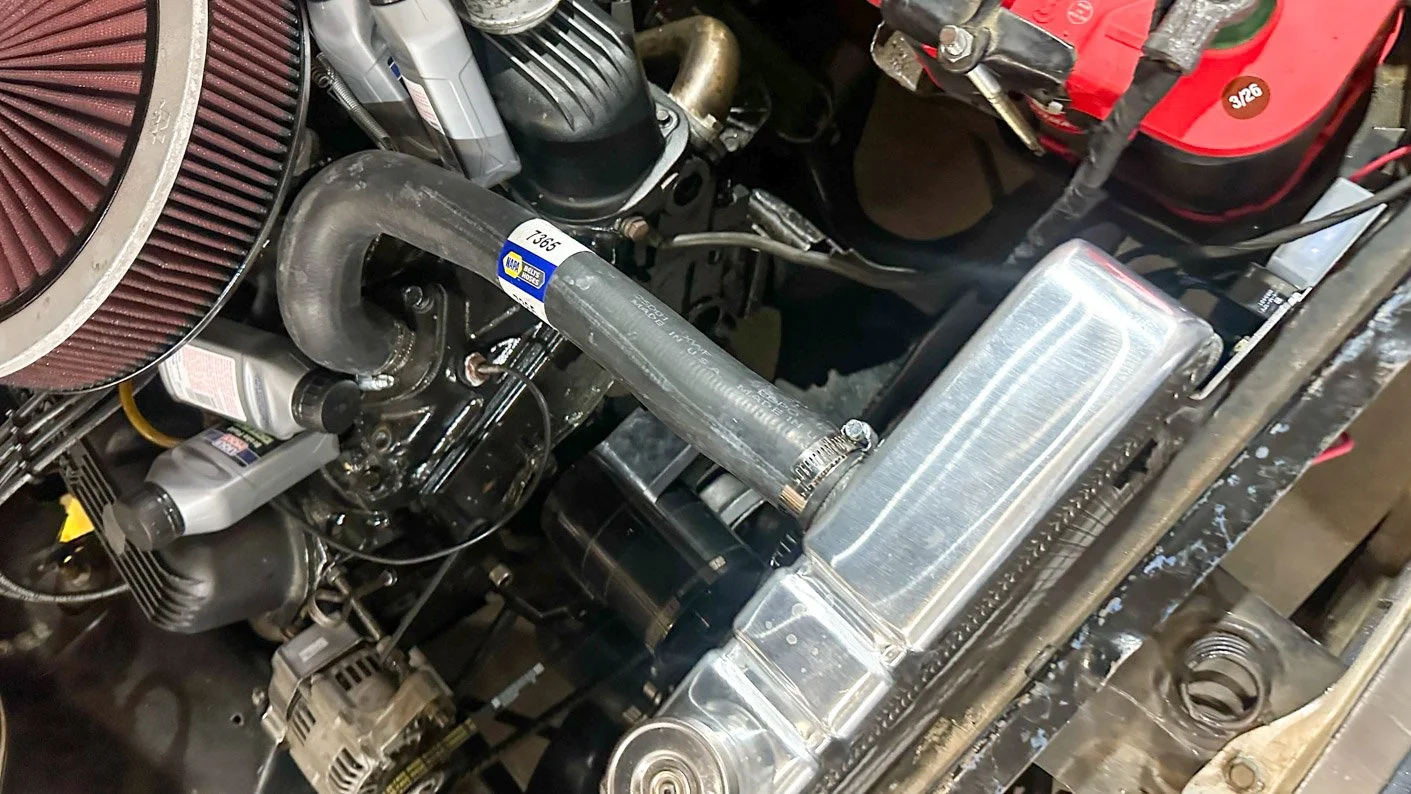
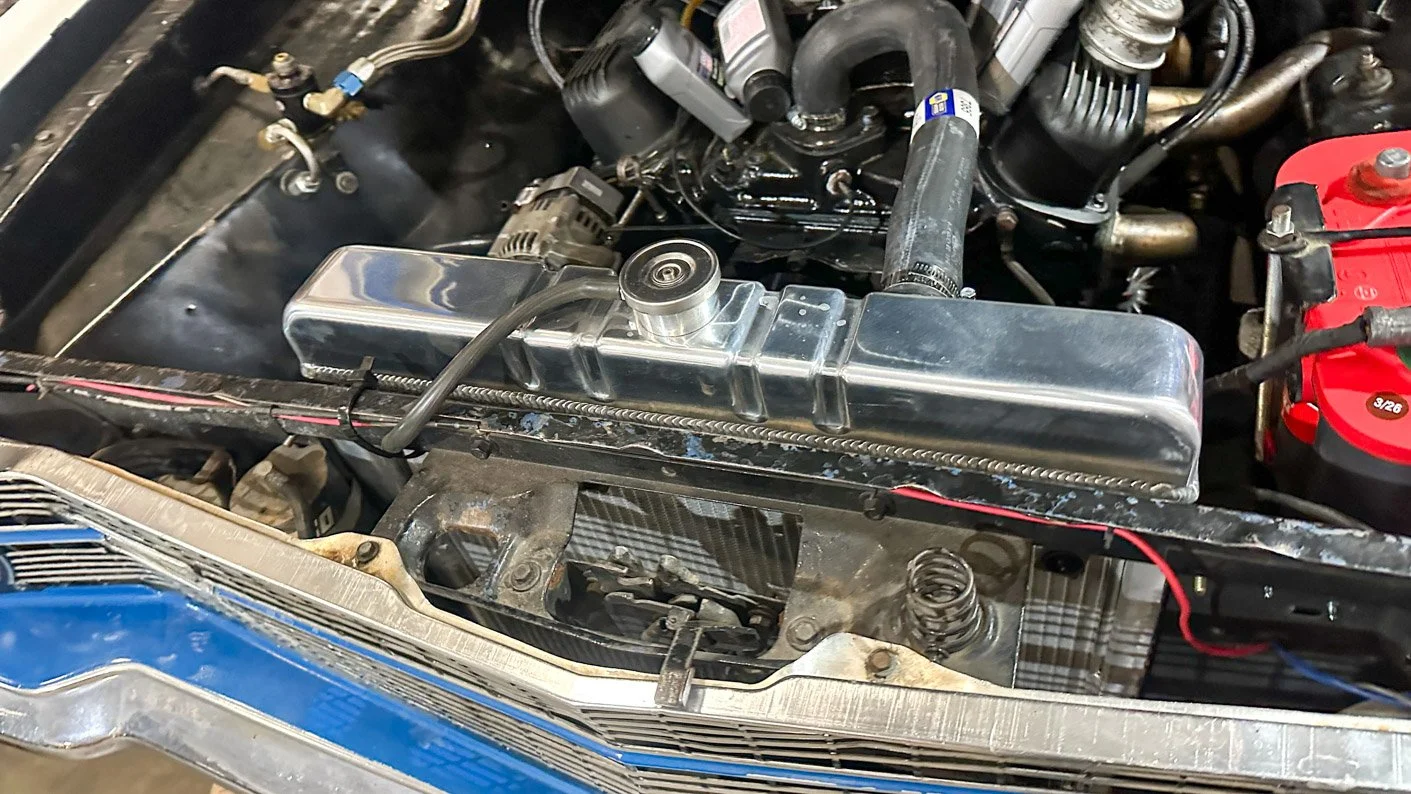
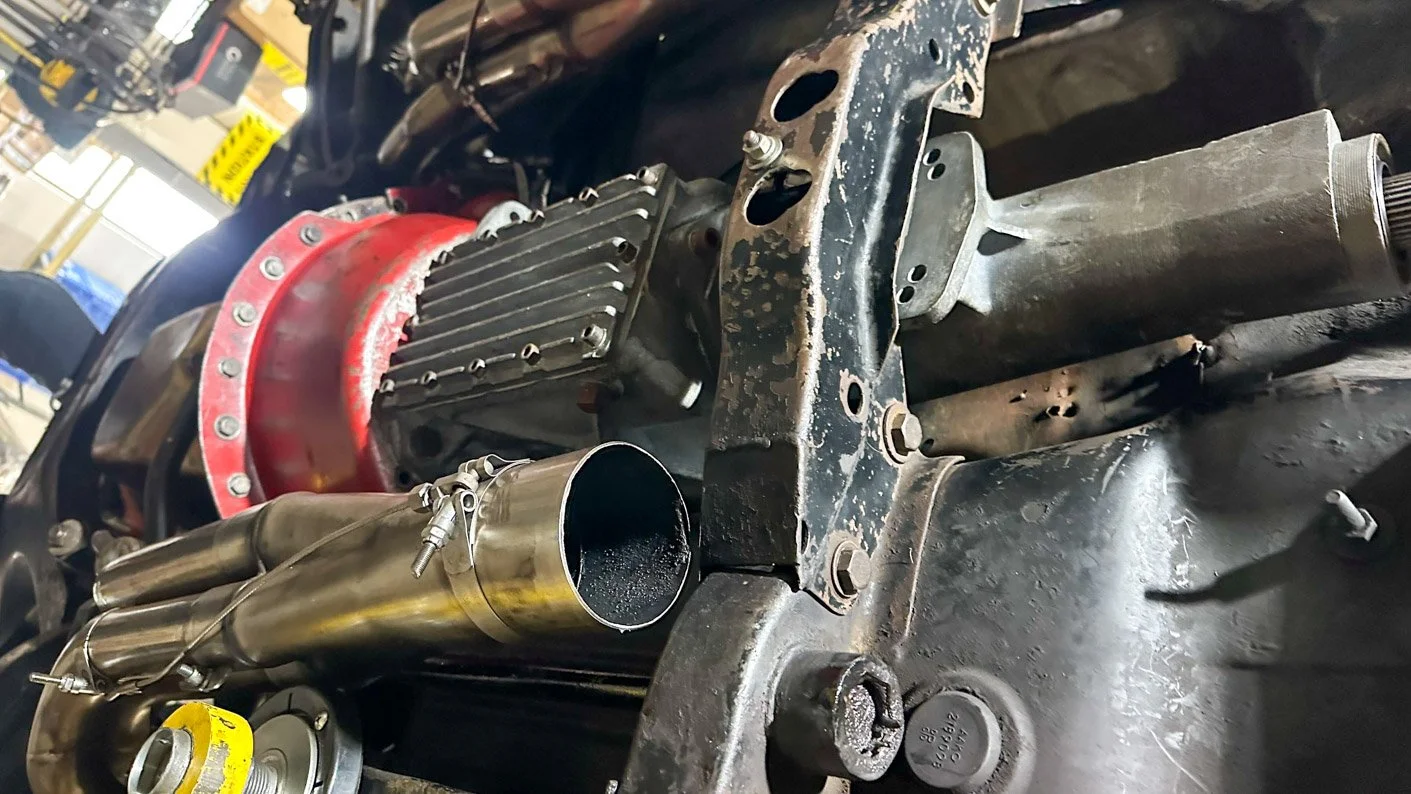
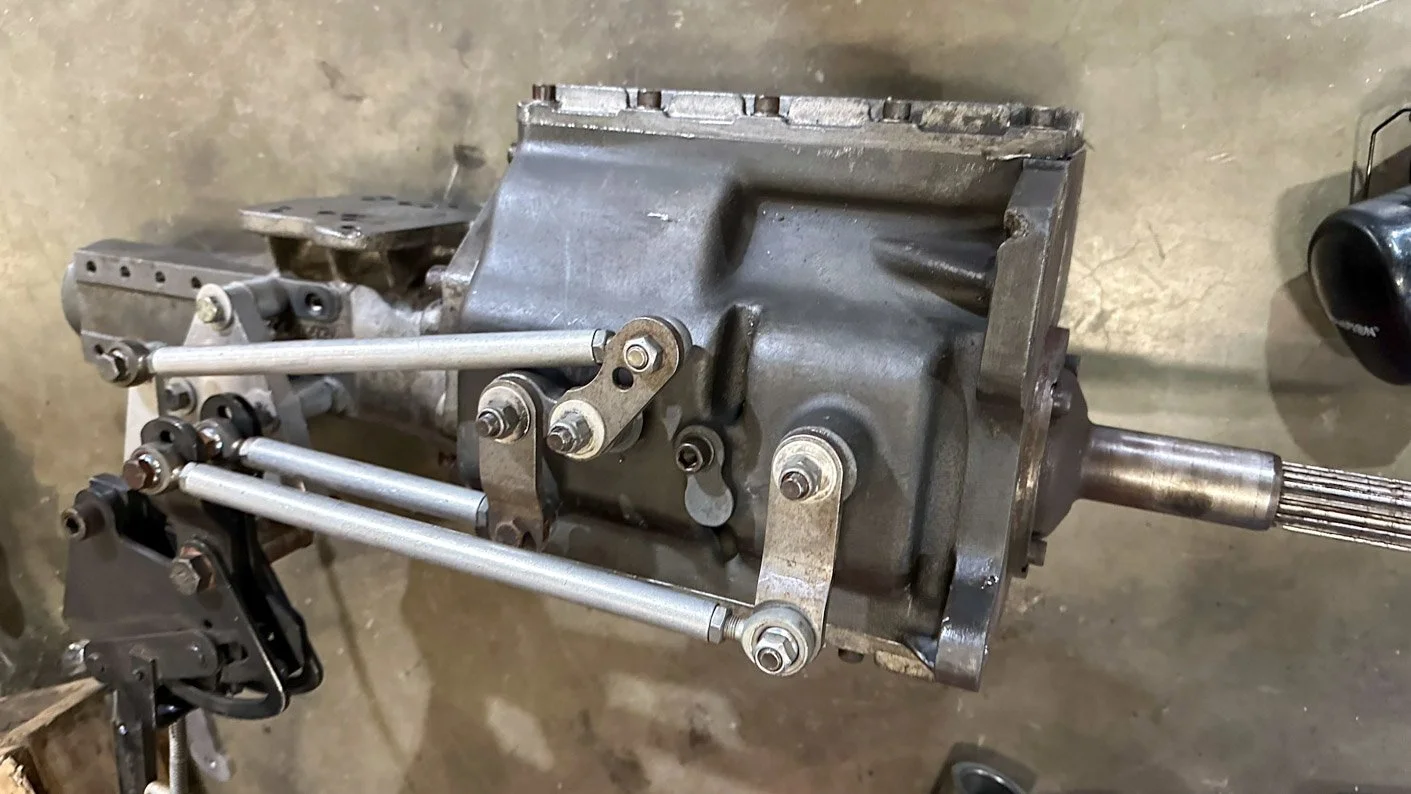
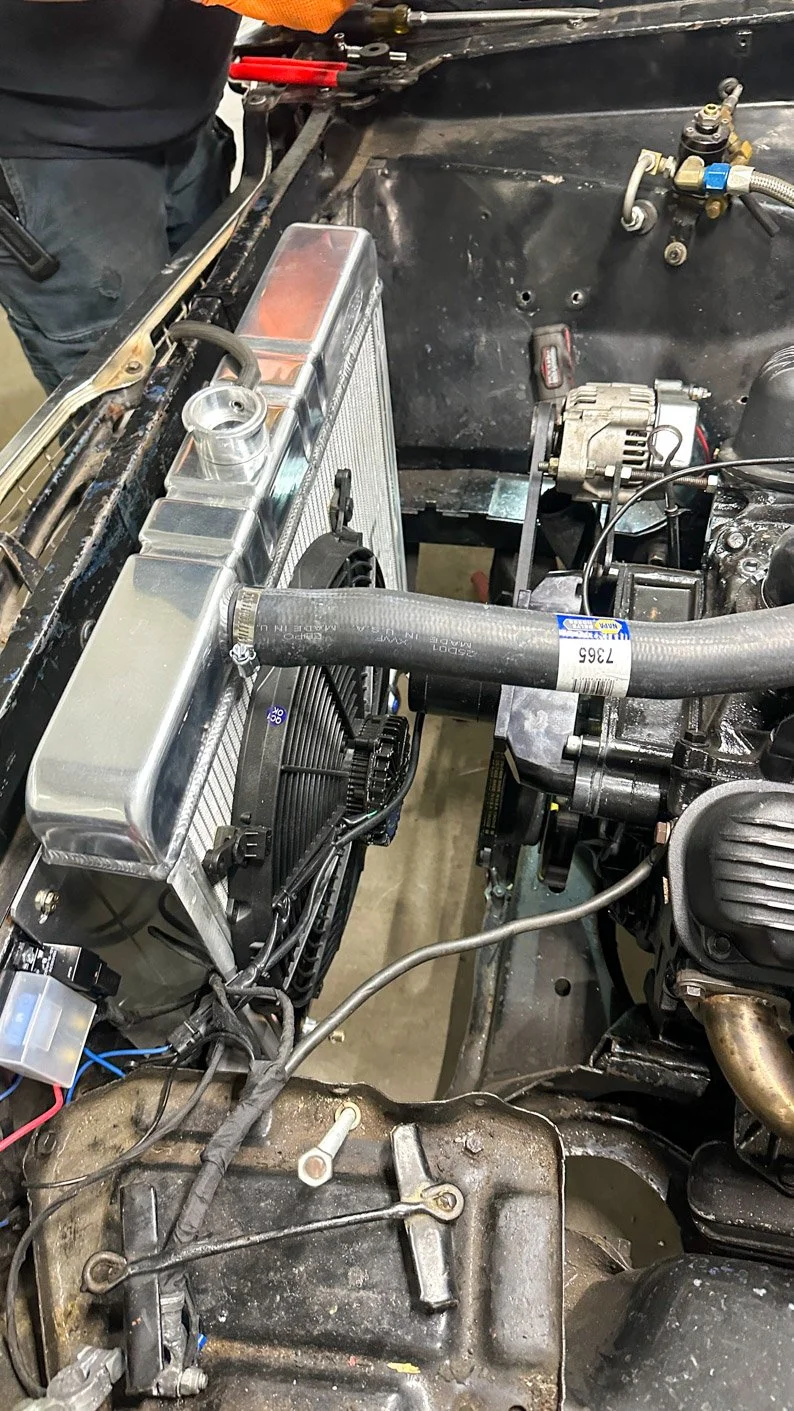
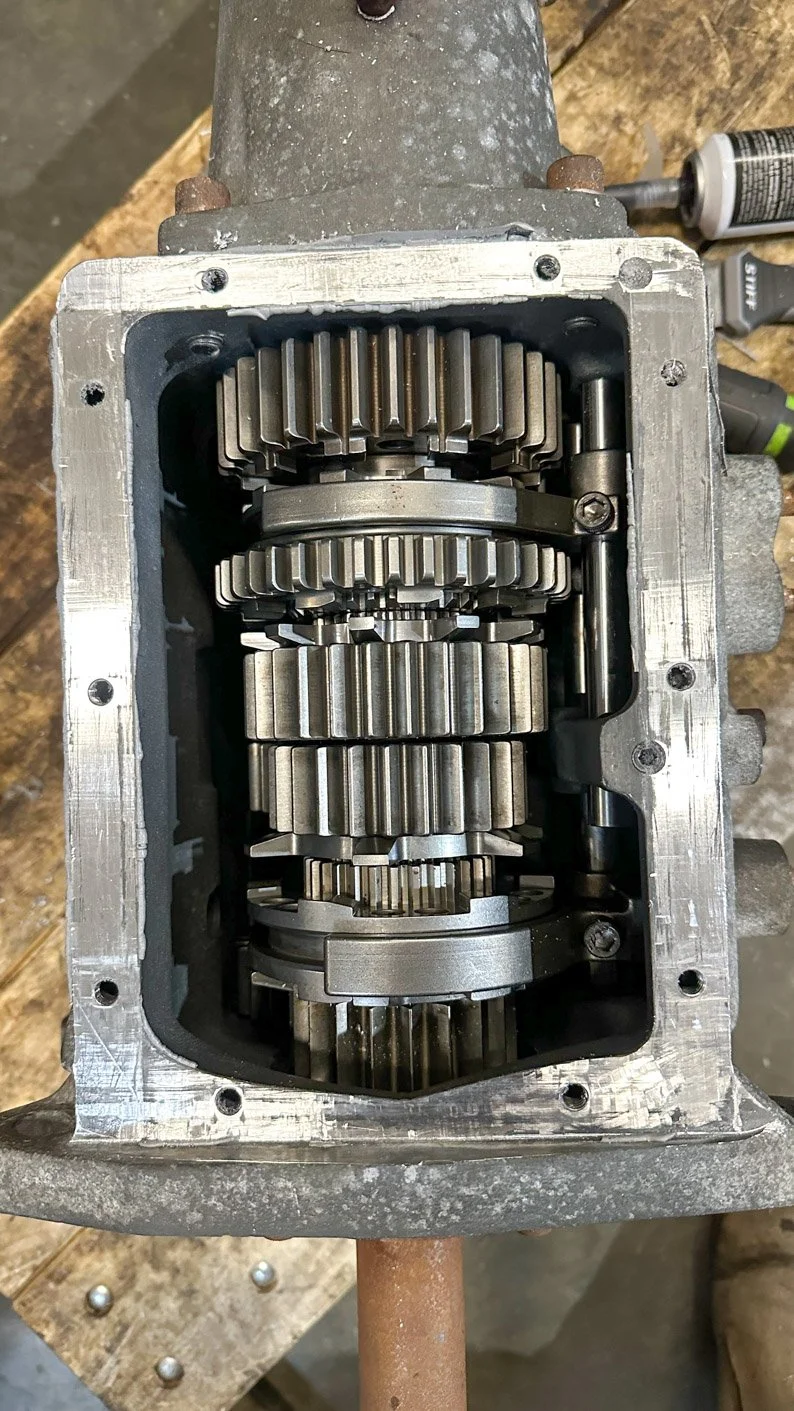
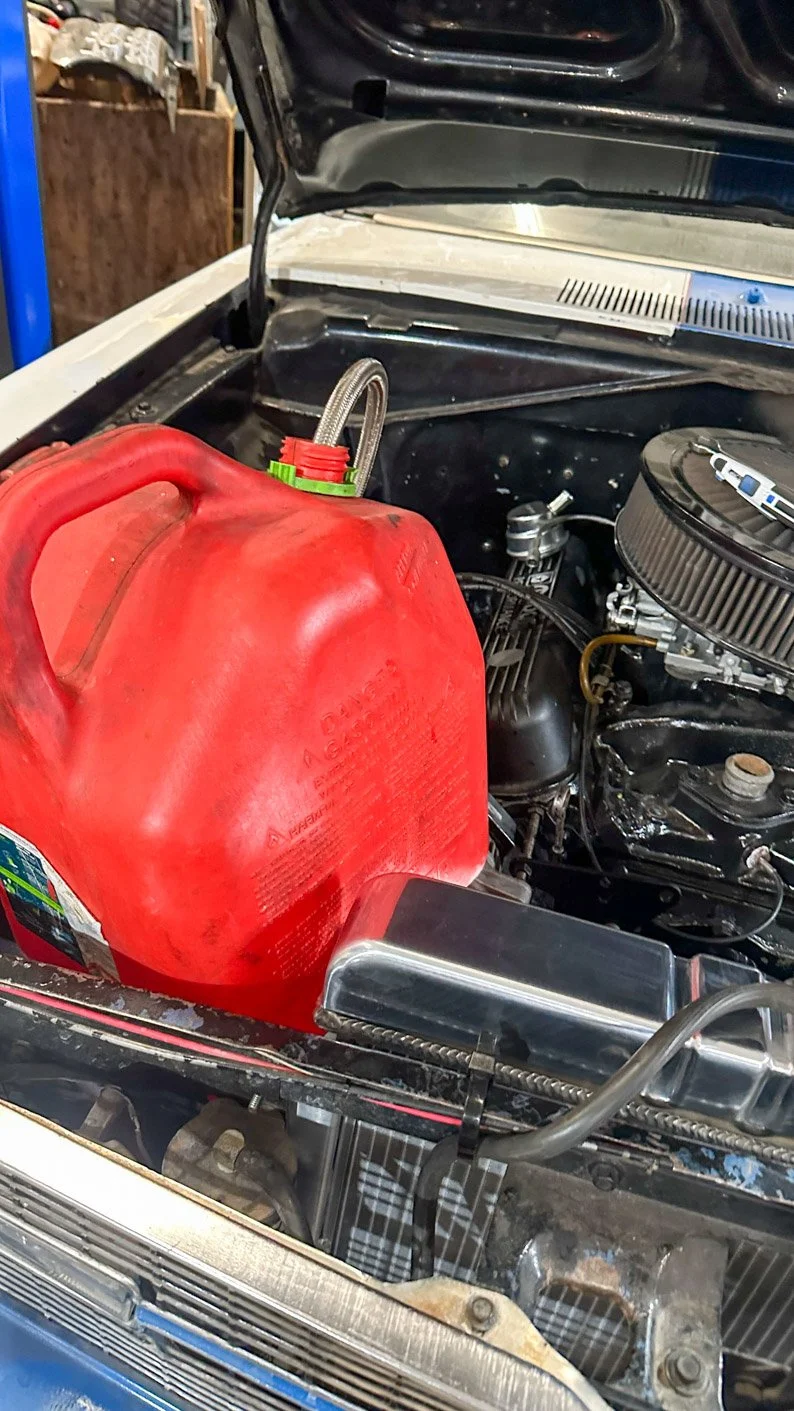
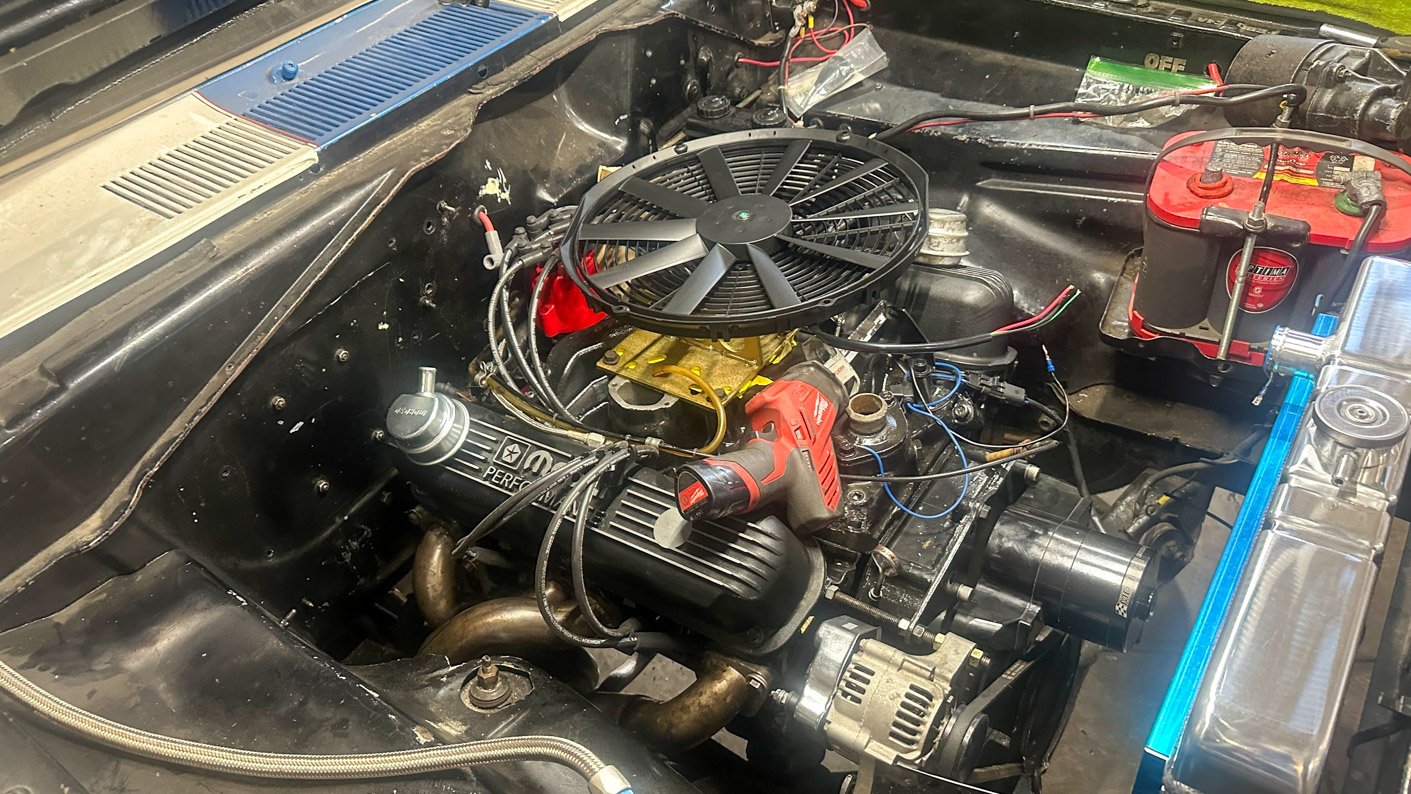
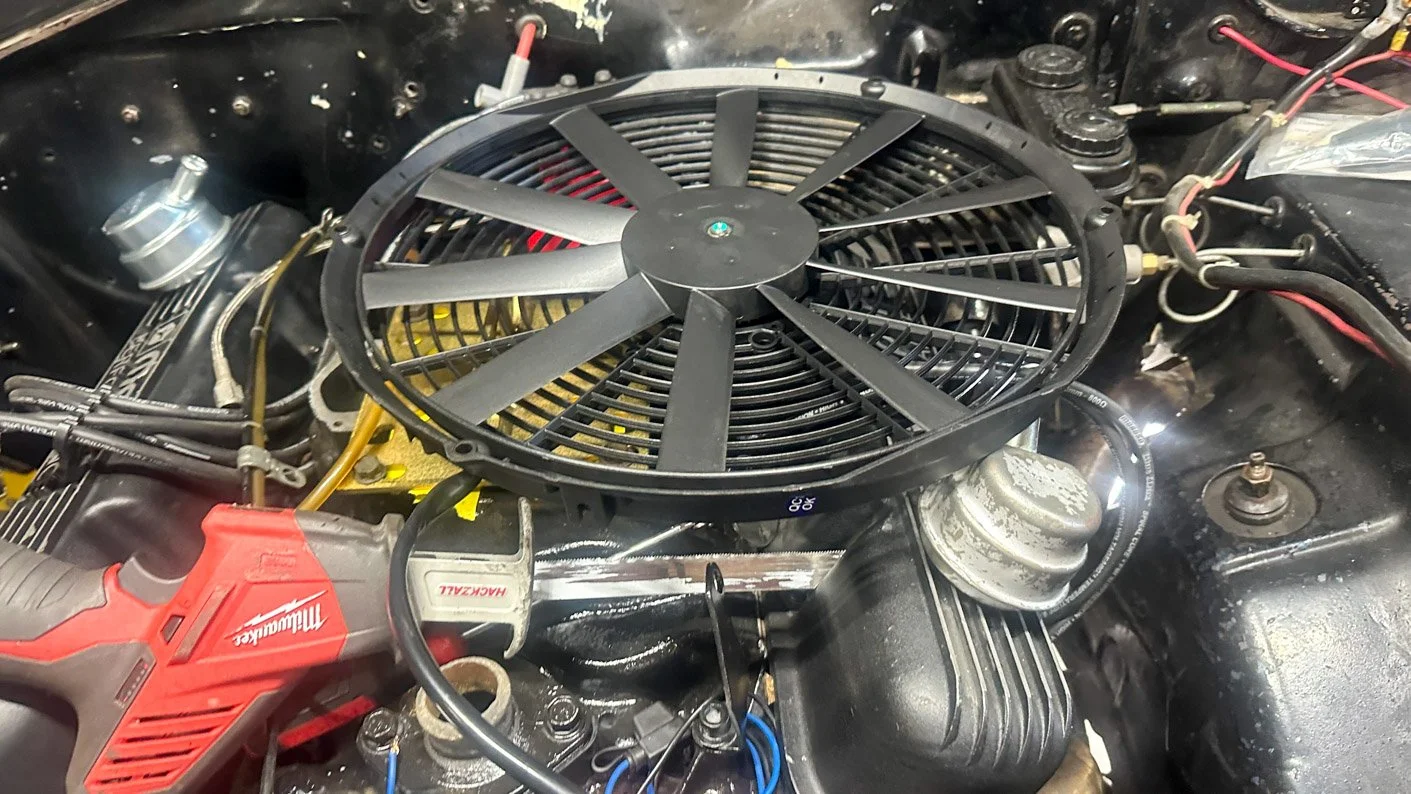
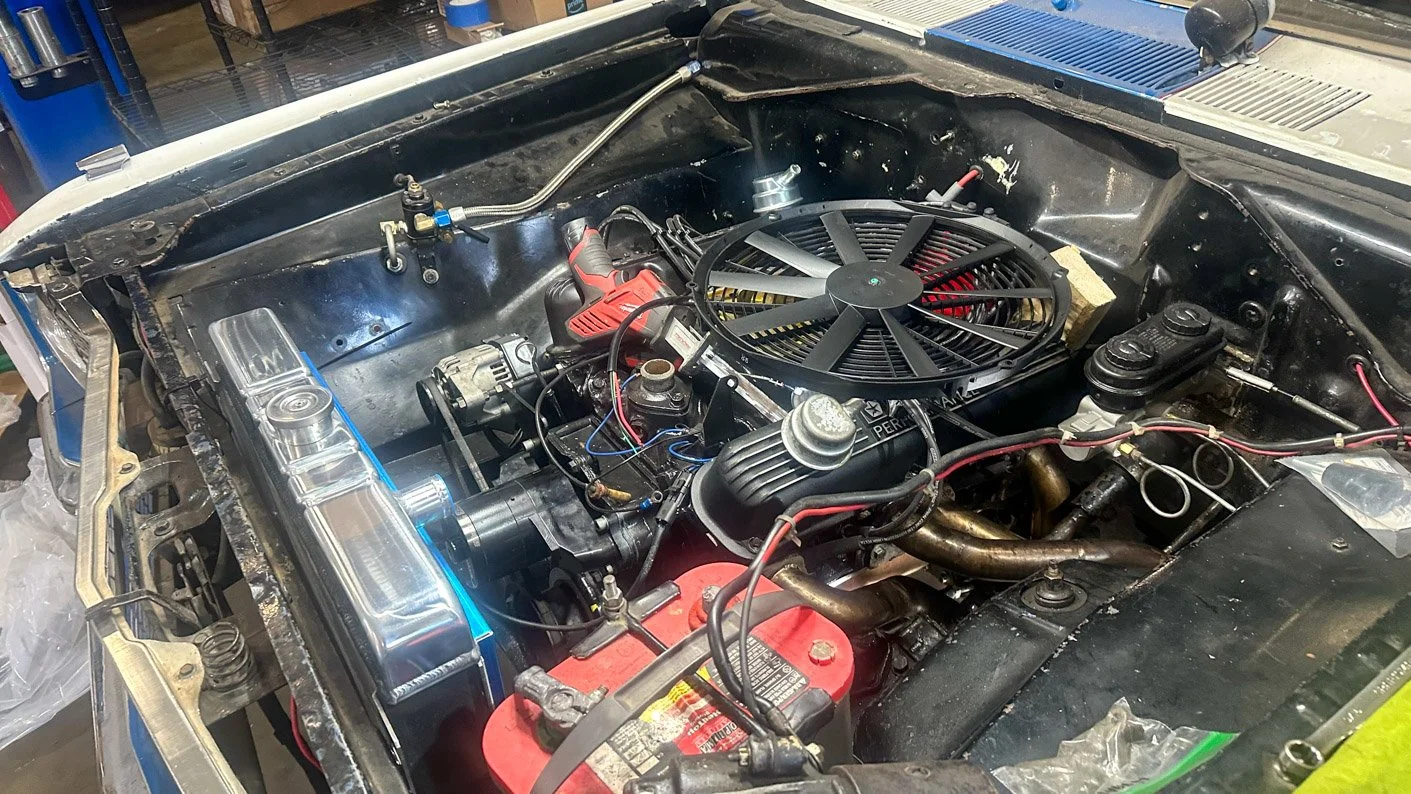
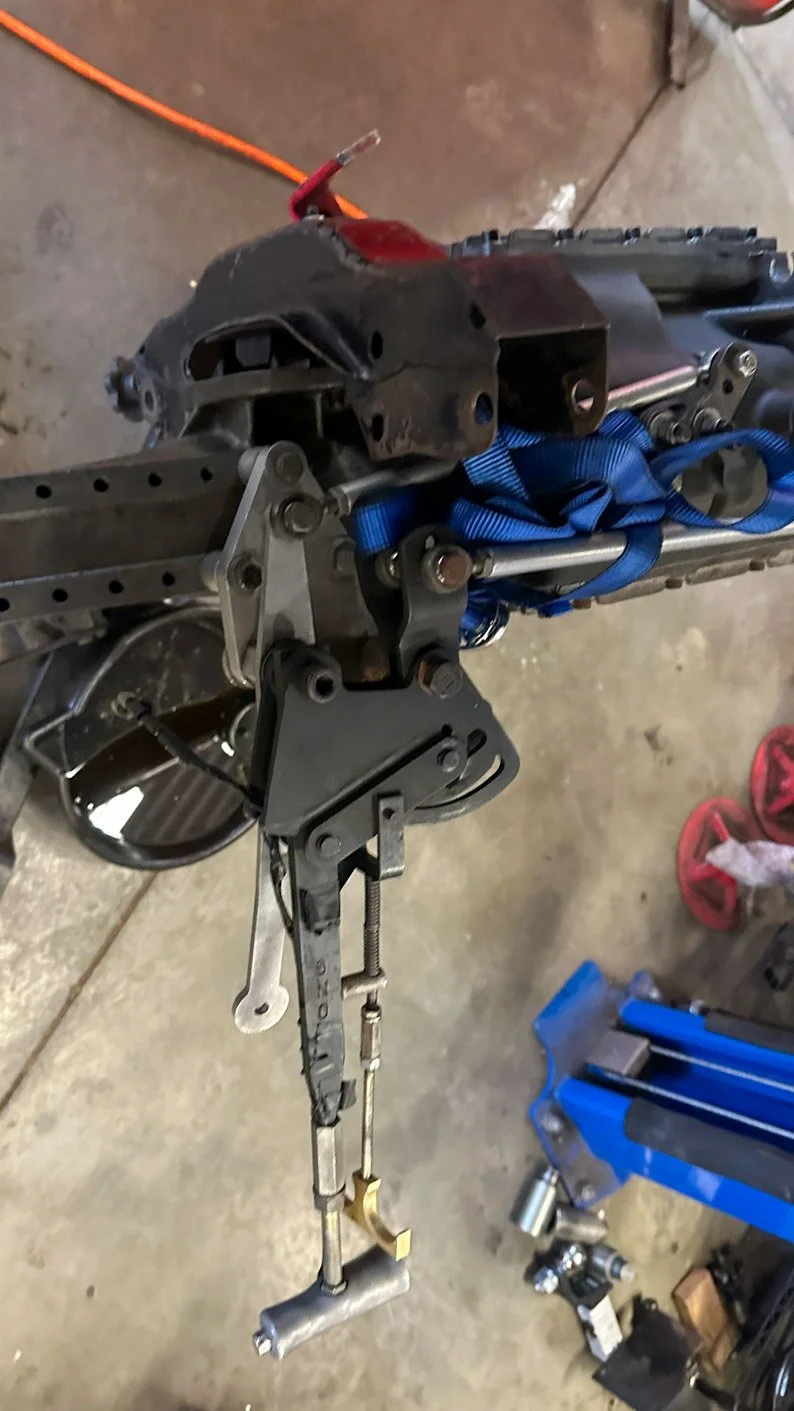
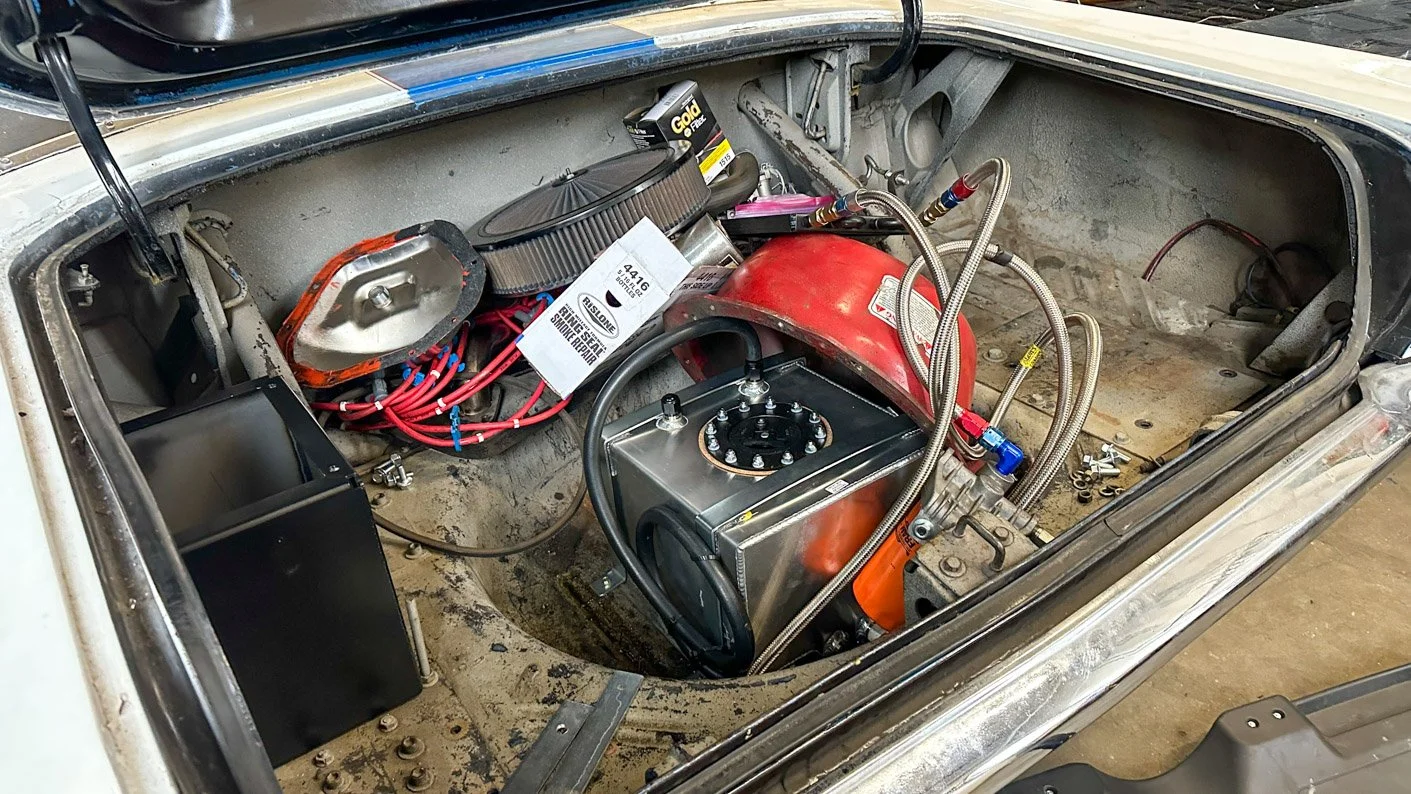
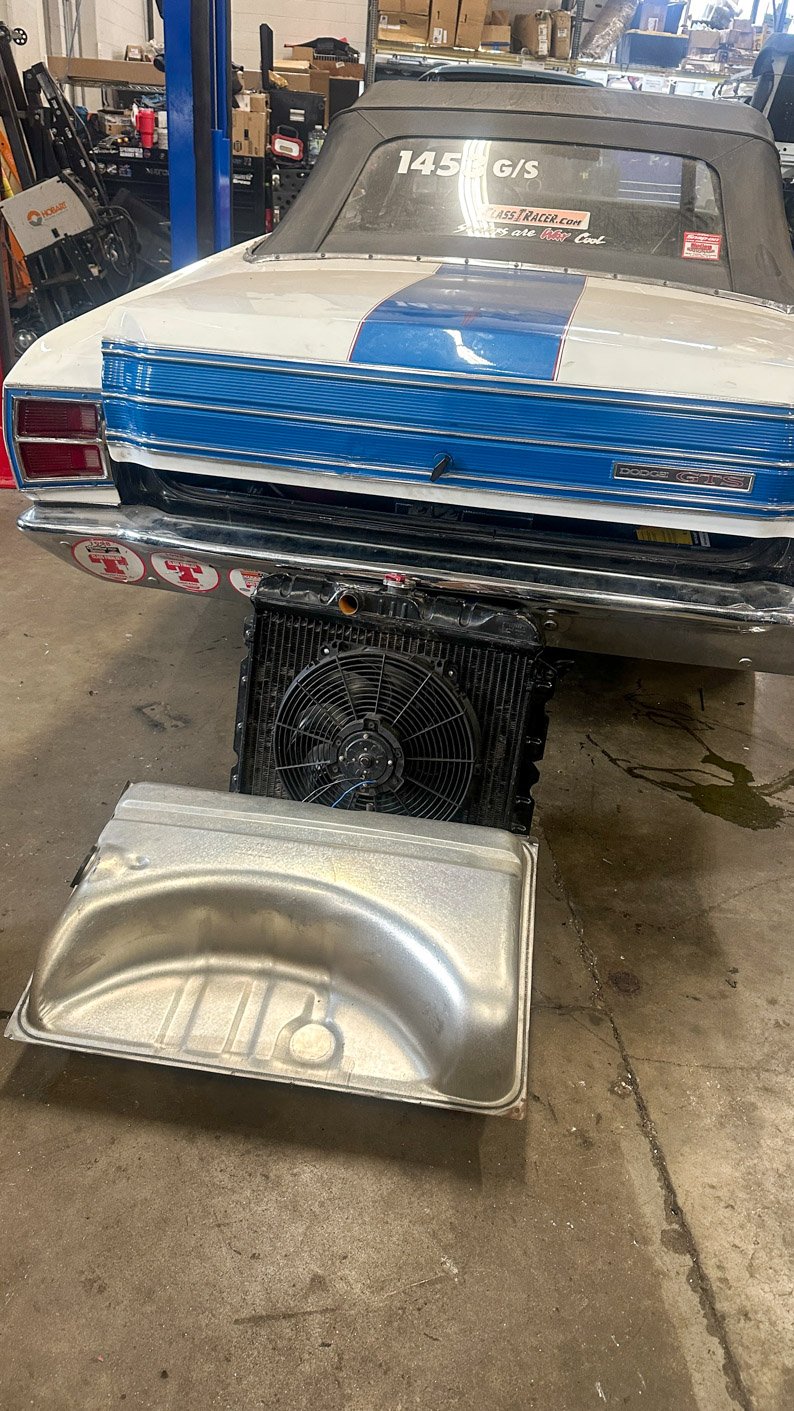
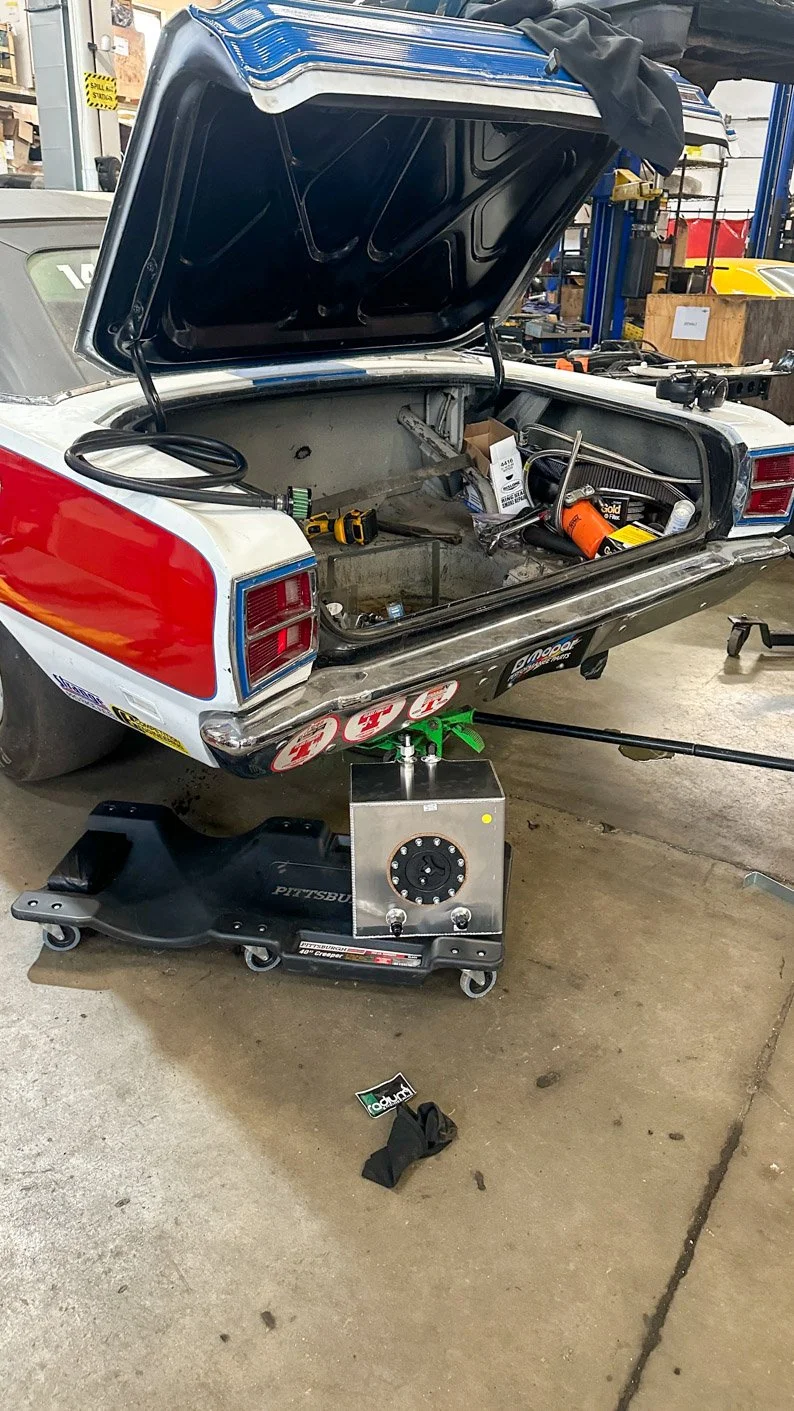
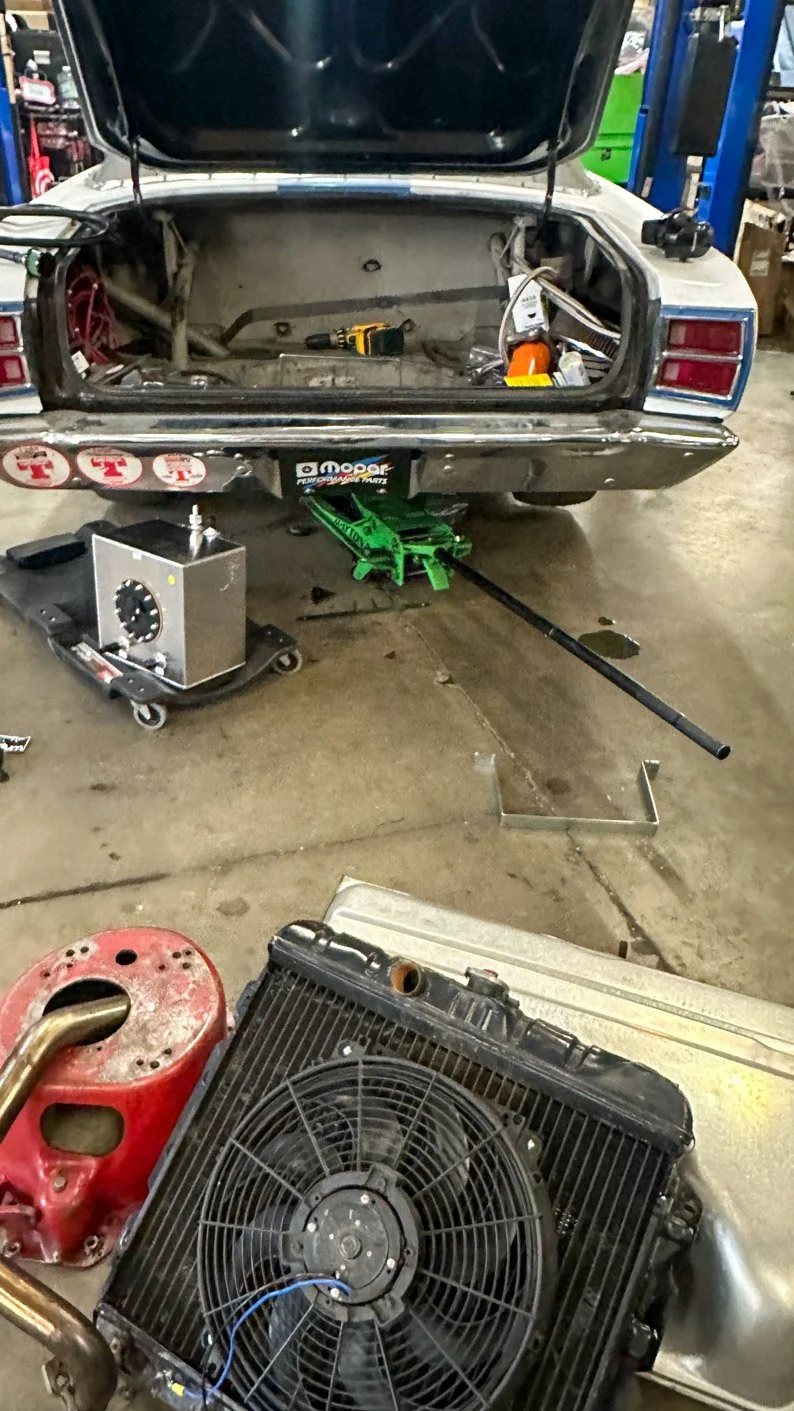
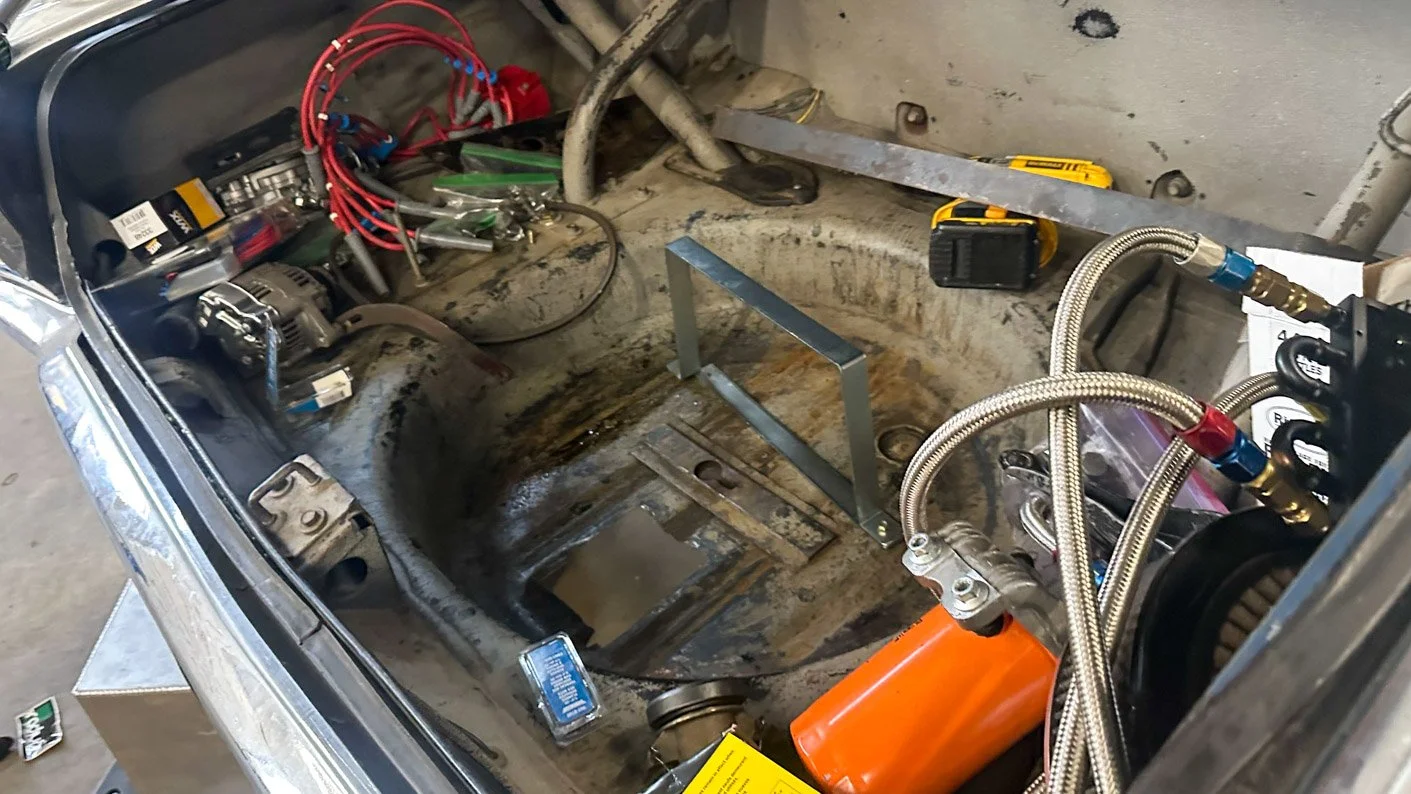
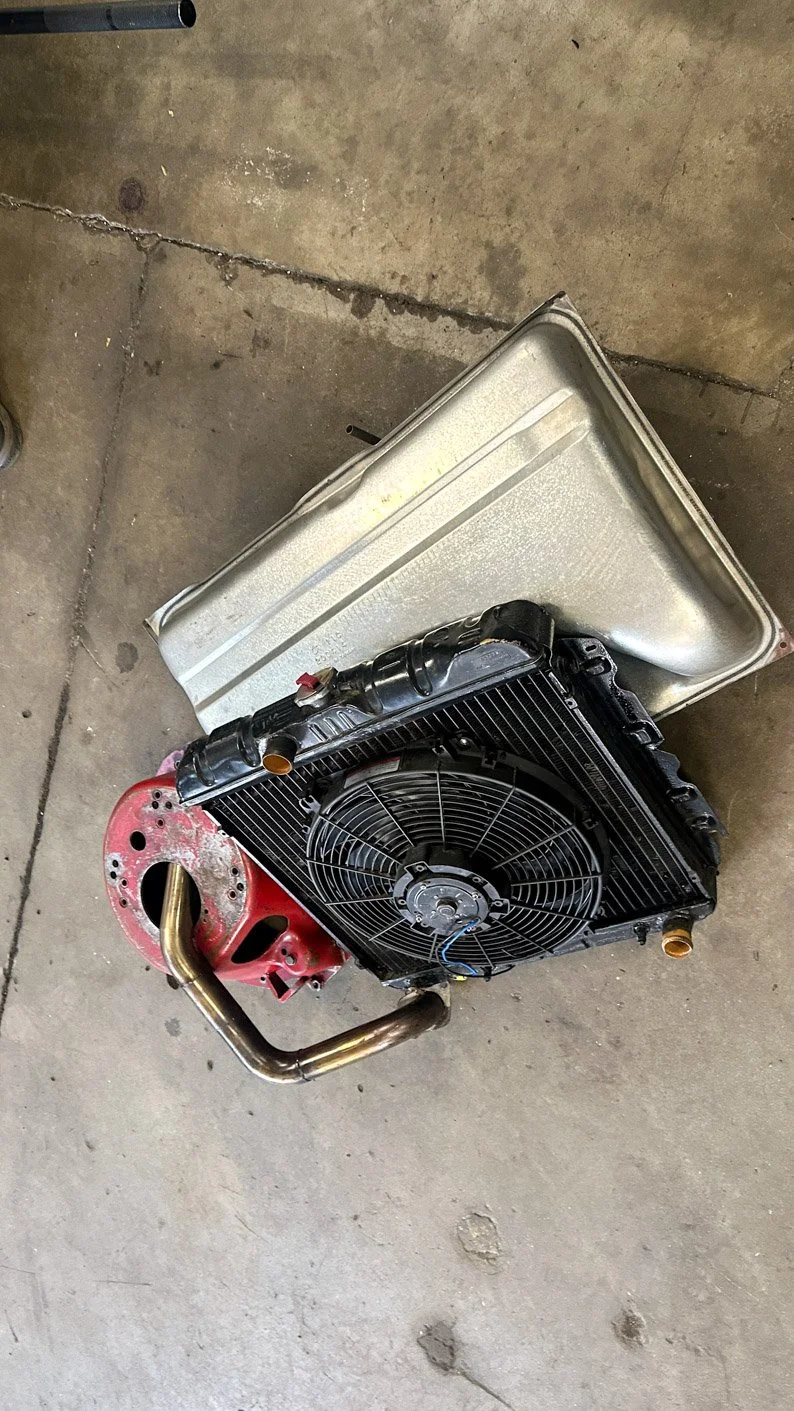
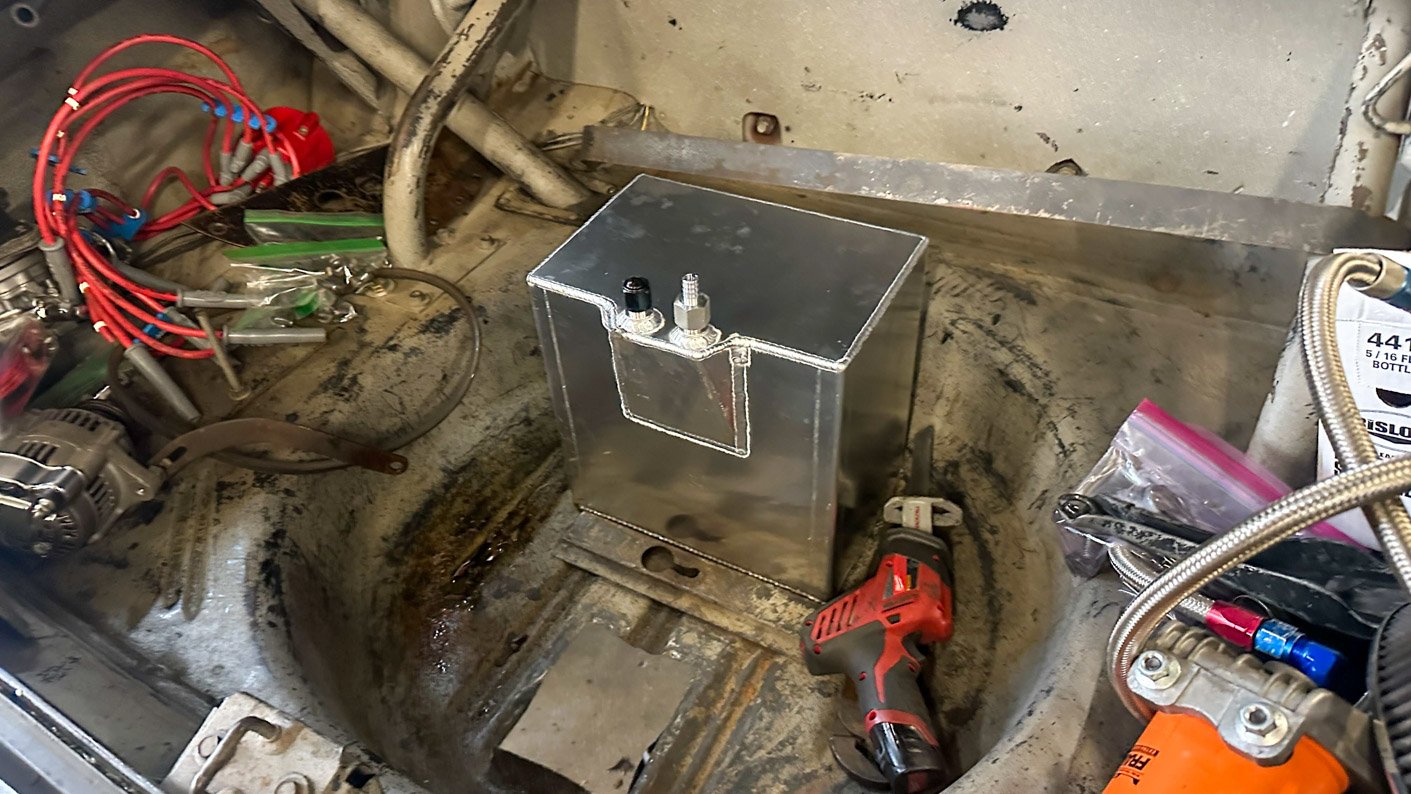
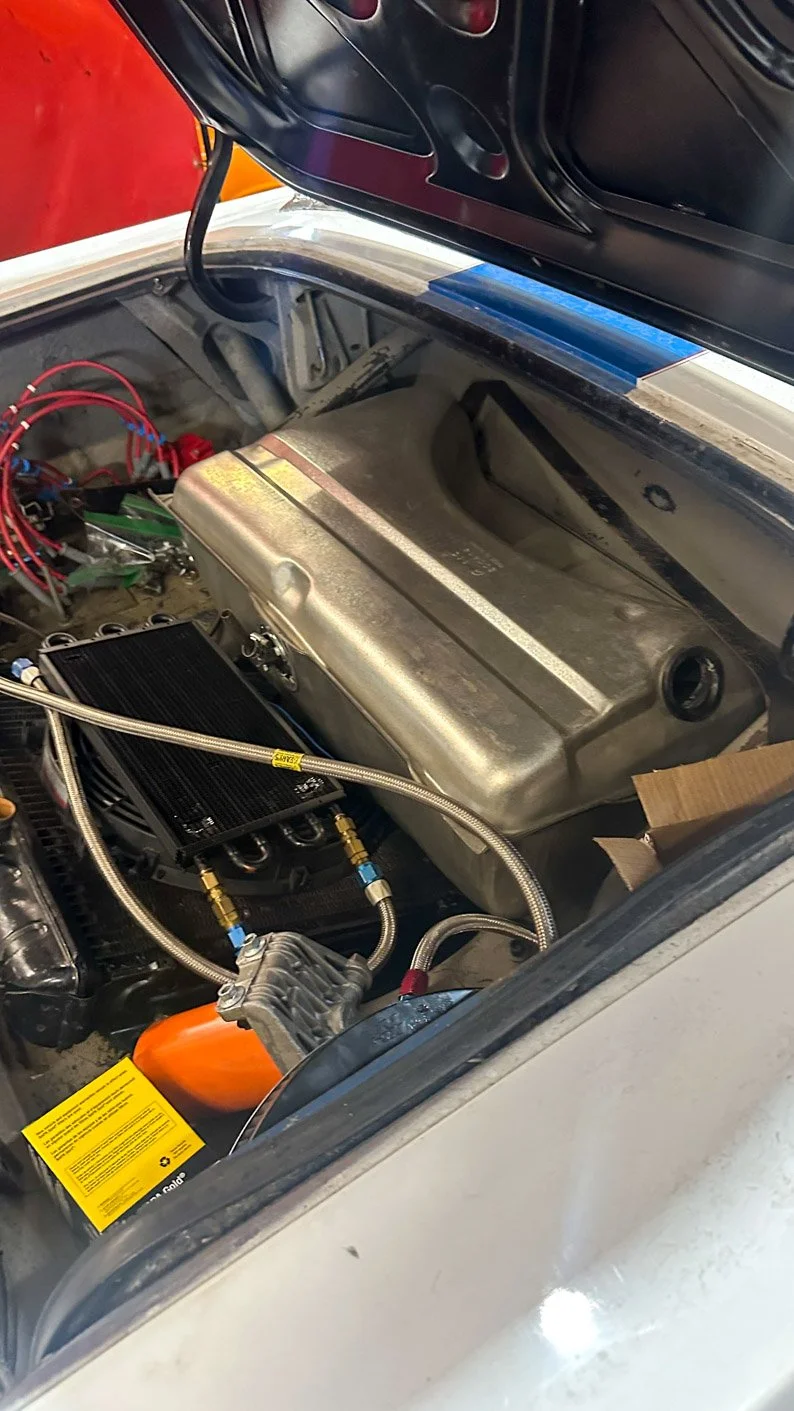
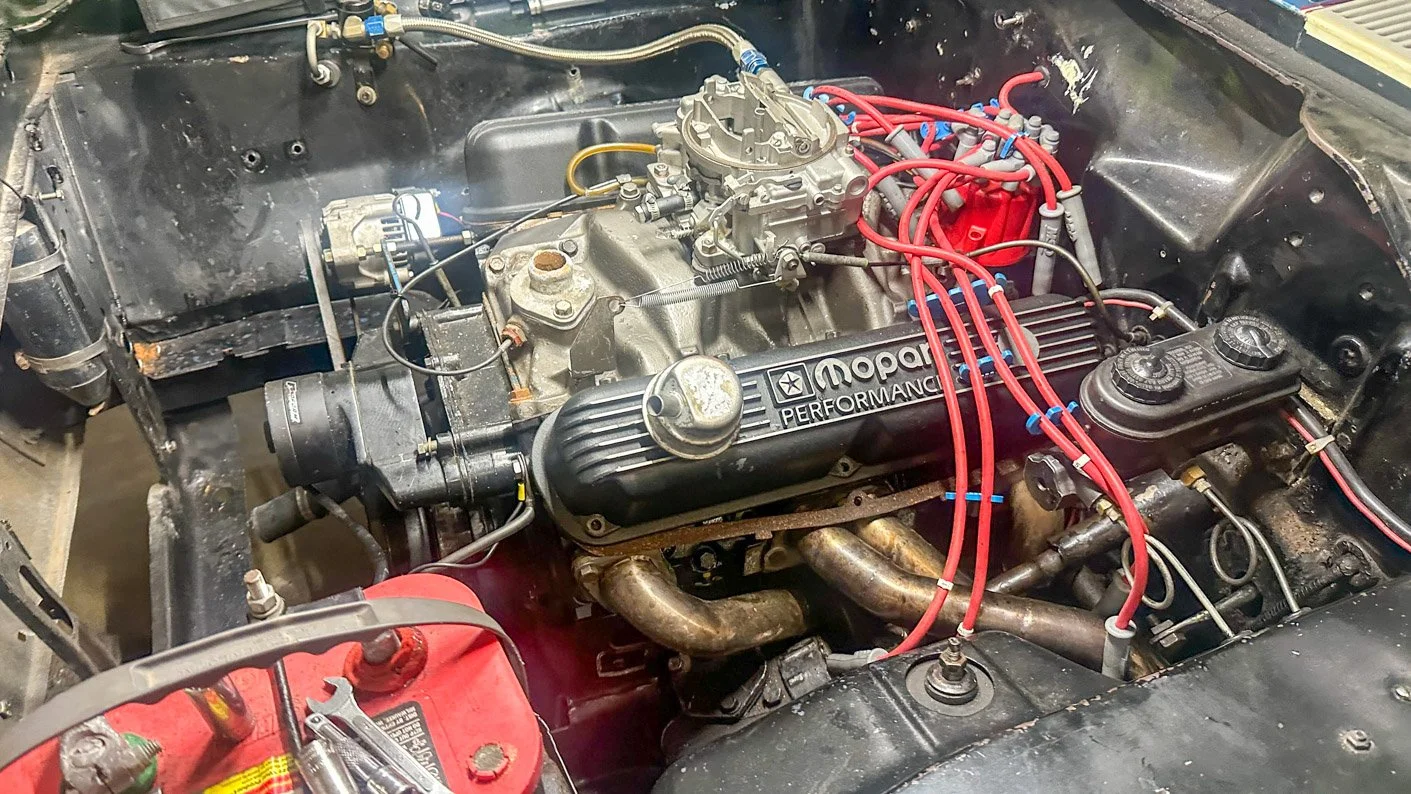
The entire supporting system was reworked to match. Fuel delivery was redesigned around a dedicated fuel cell system, cooling upgraded with a radiator and electric fan setup, and airflow refined through carburetor tuning and linkage calibration. The drivetrain was aligned and reinforced, the clutch system reworked, and the transmission inspected, cleaned, and reinstalled with proper tolerances.
Then came traction.
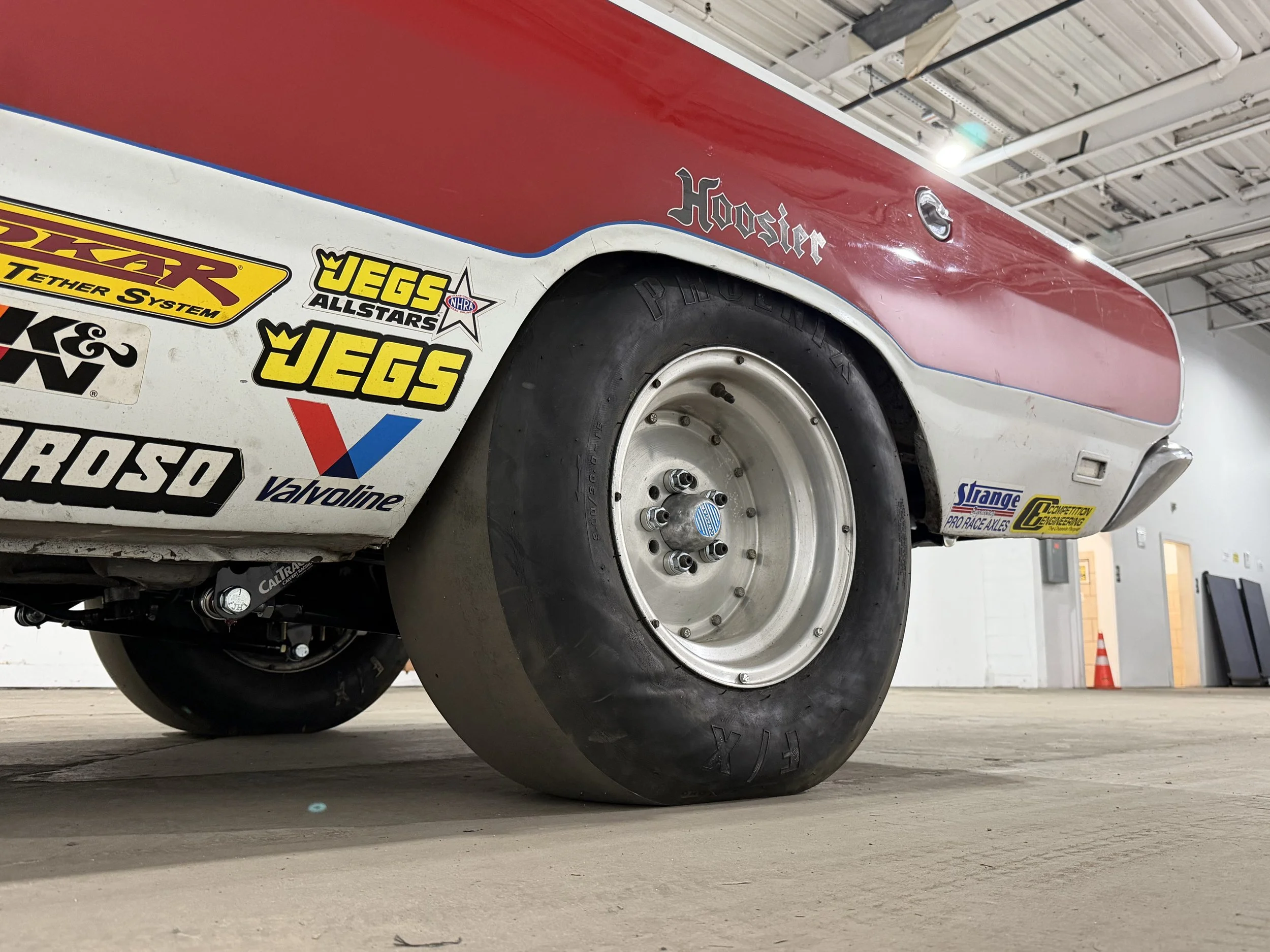
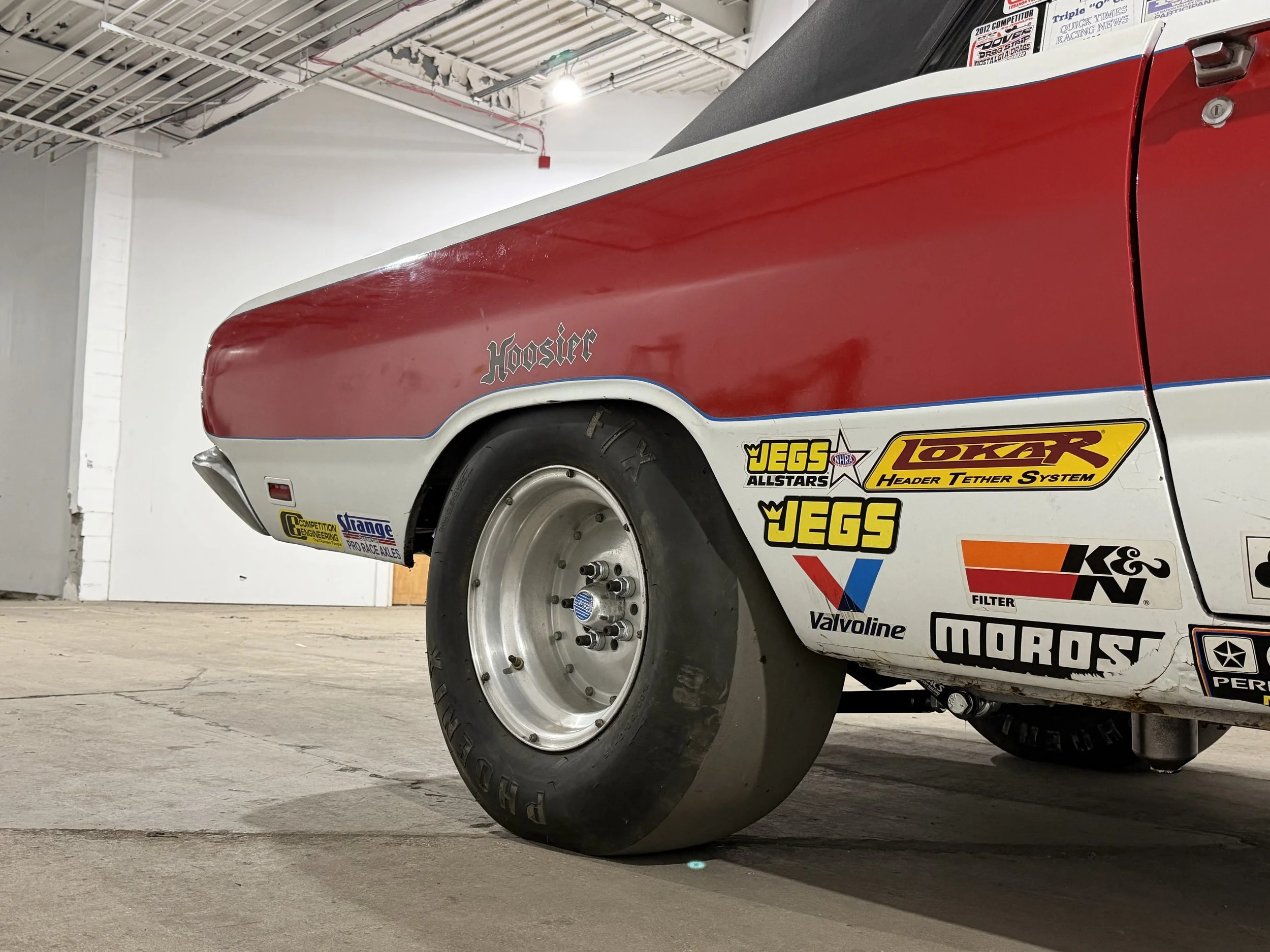
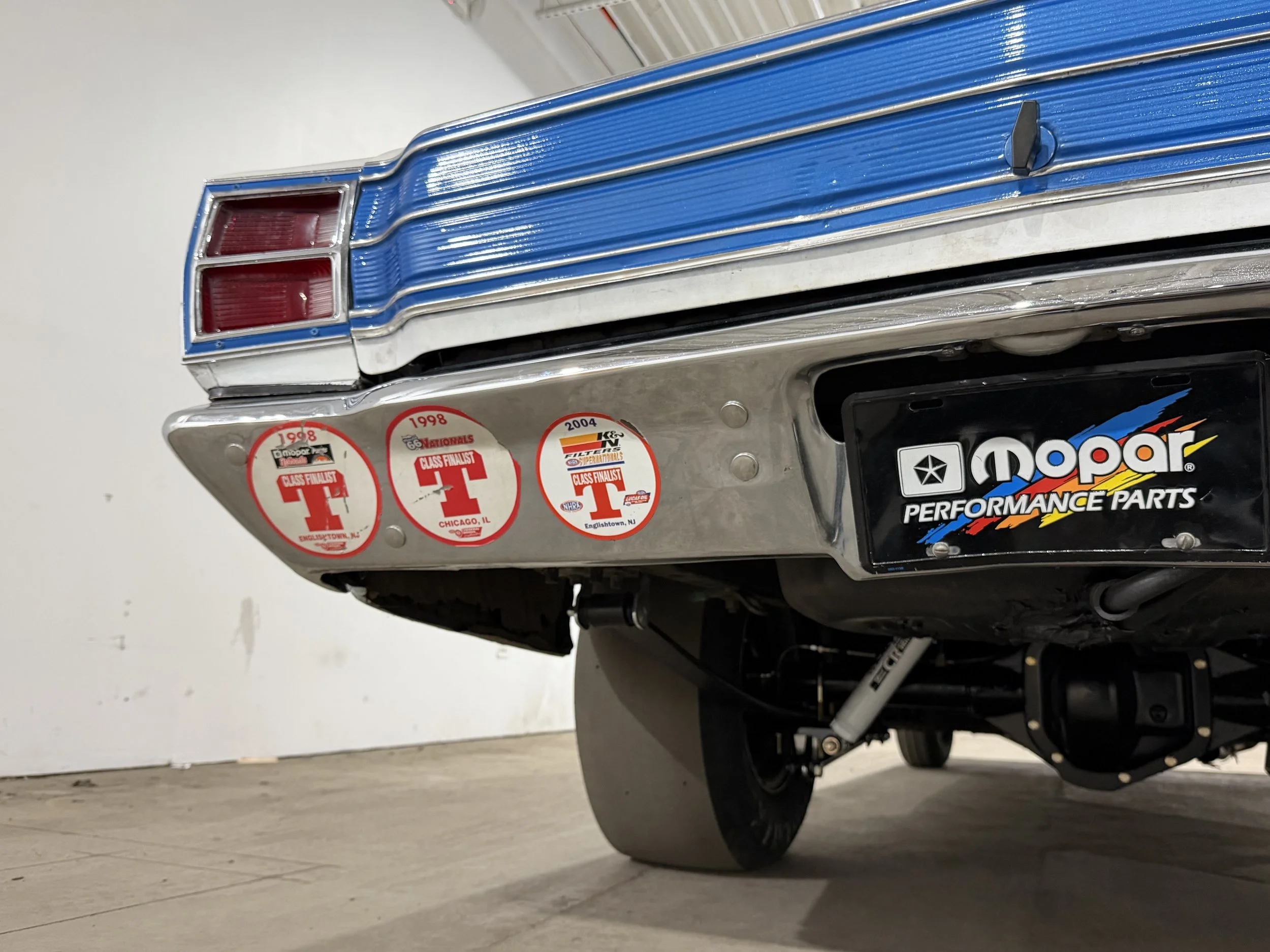
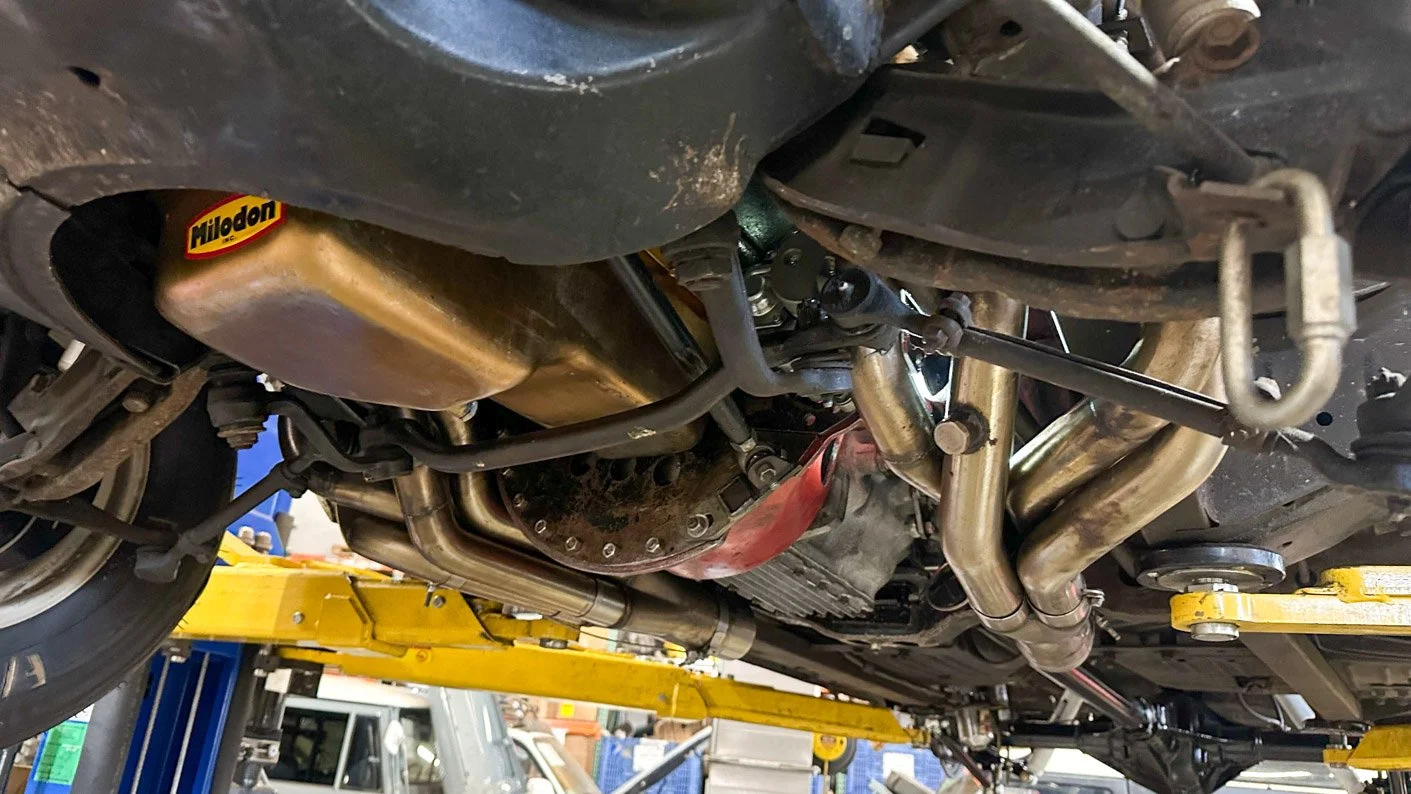
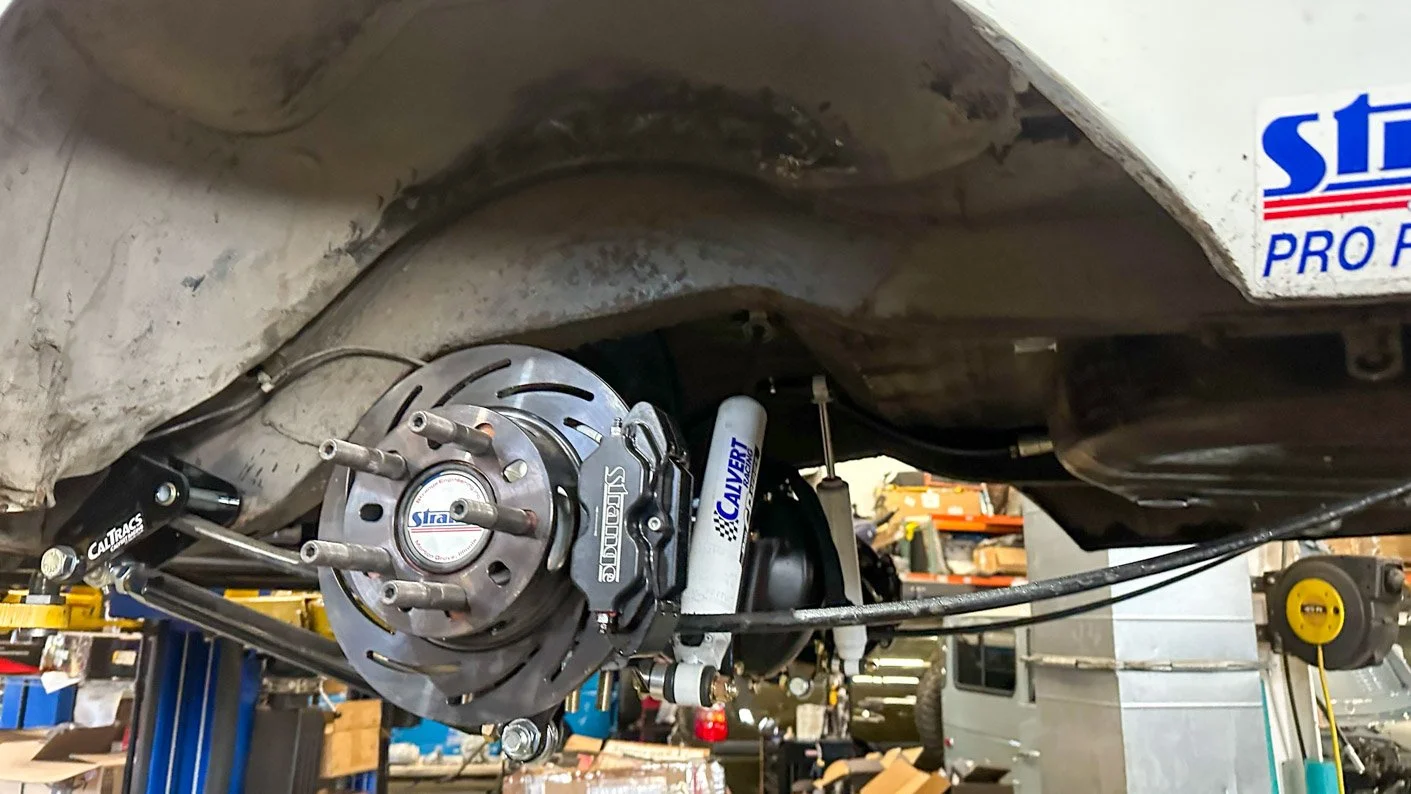
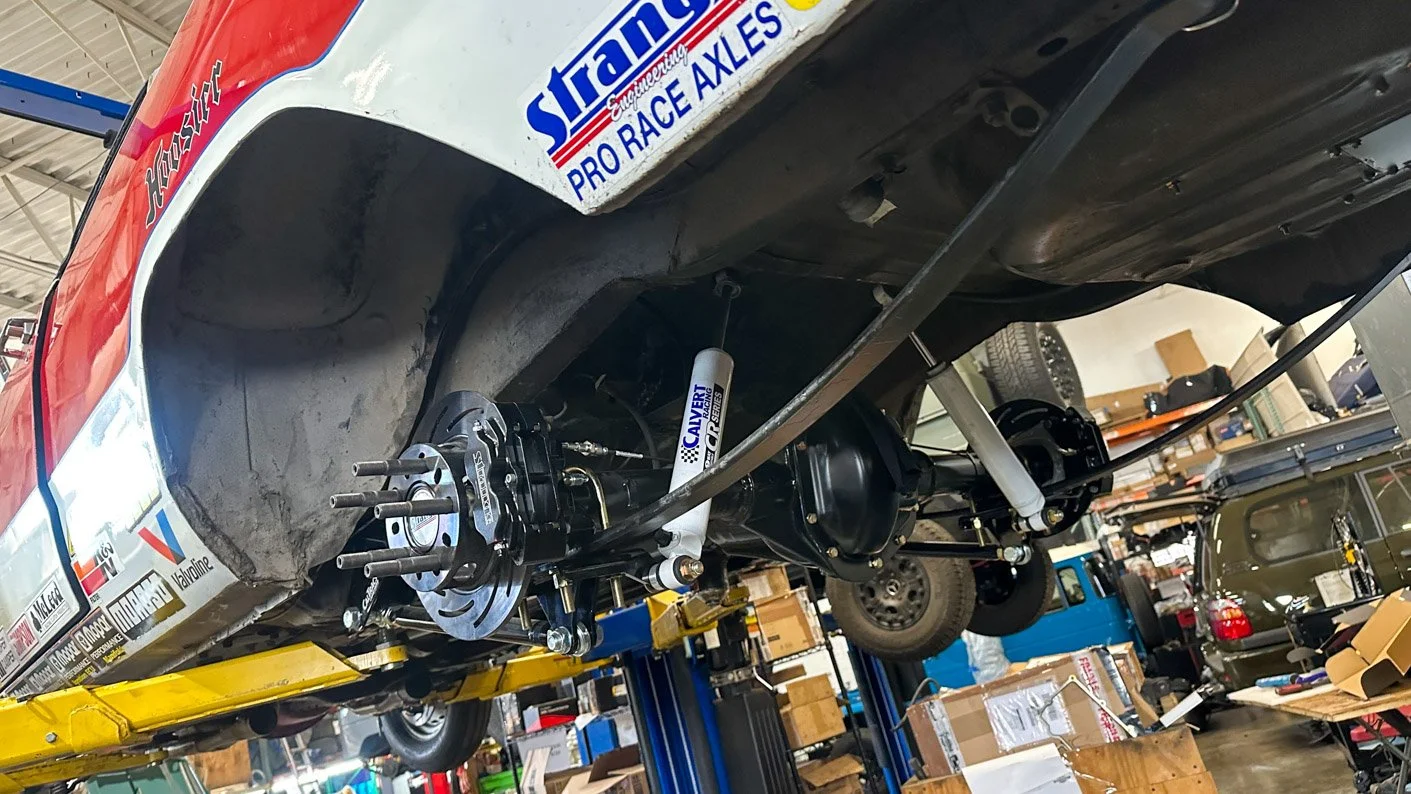
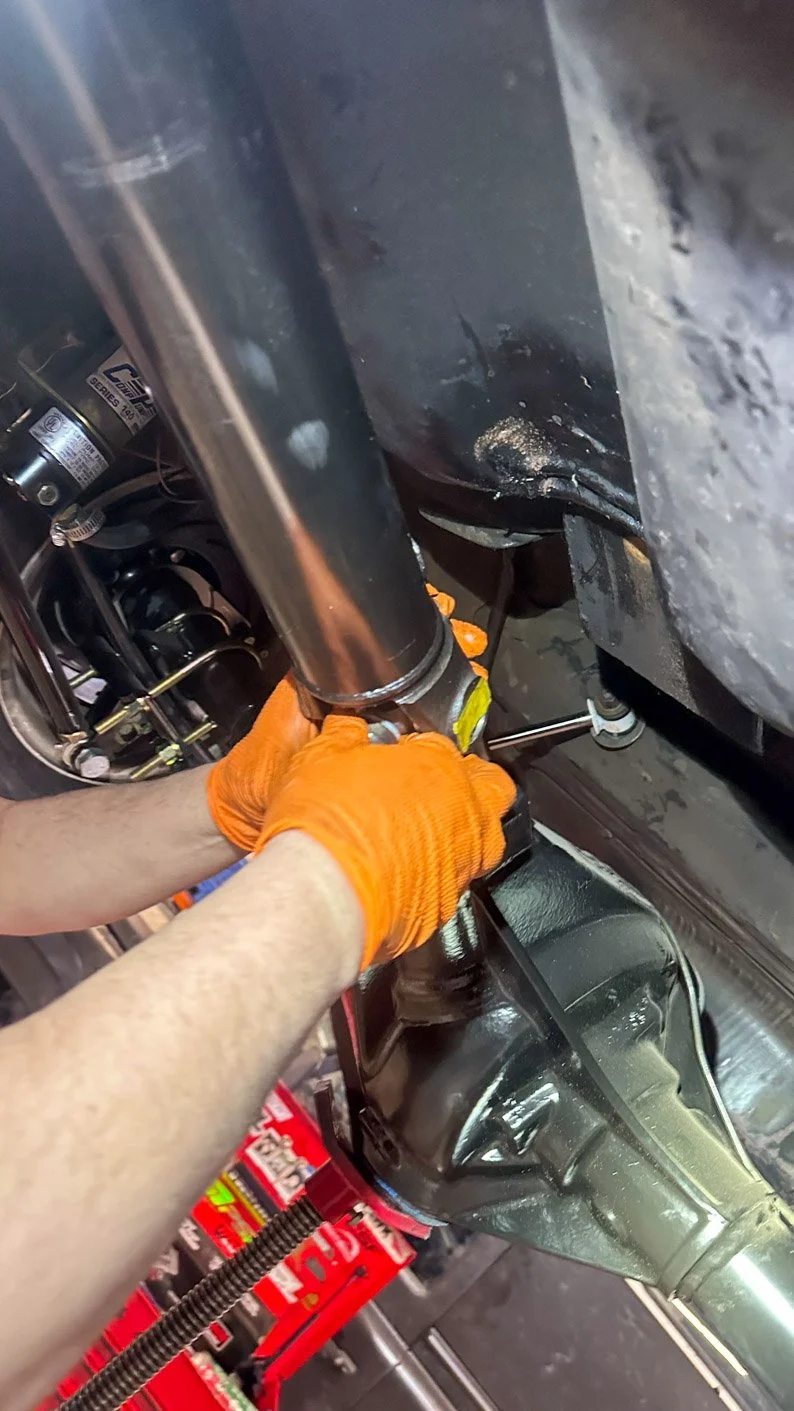
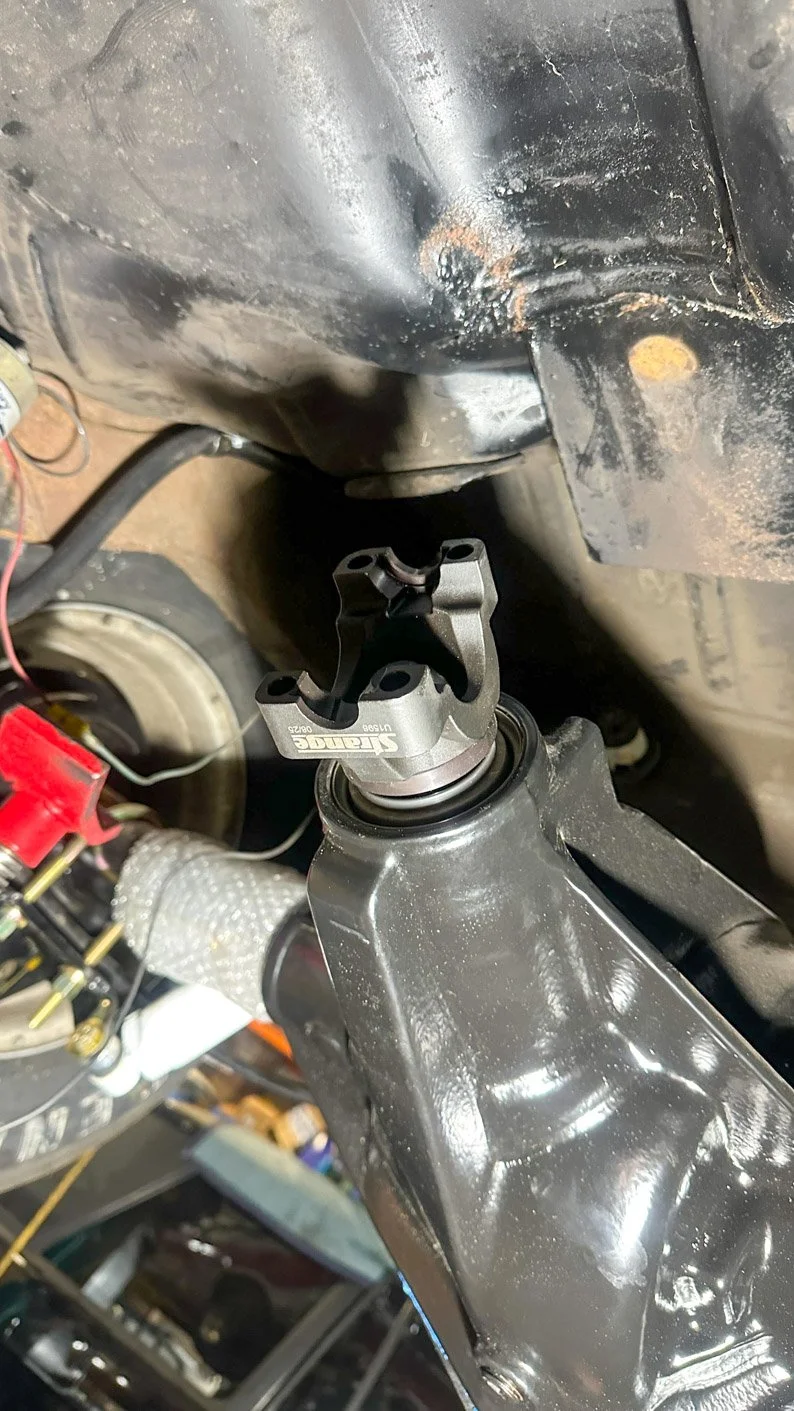
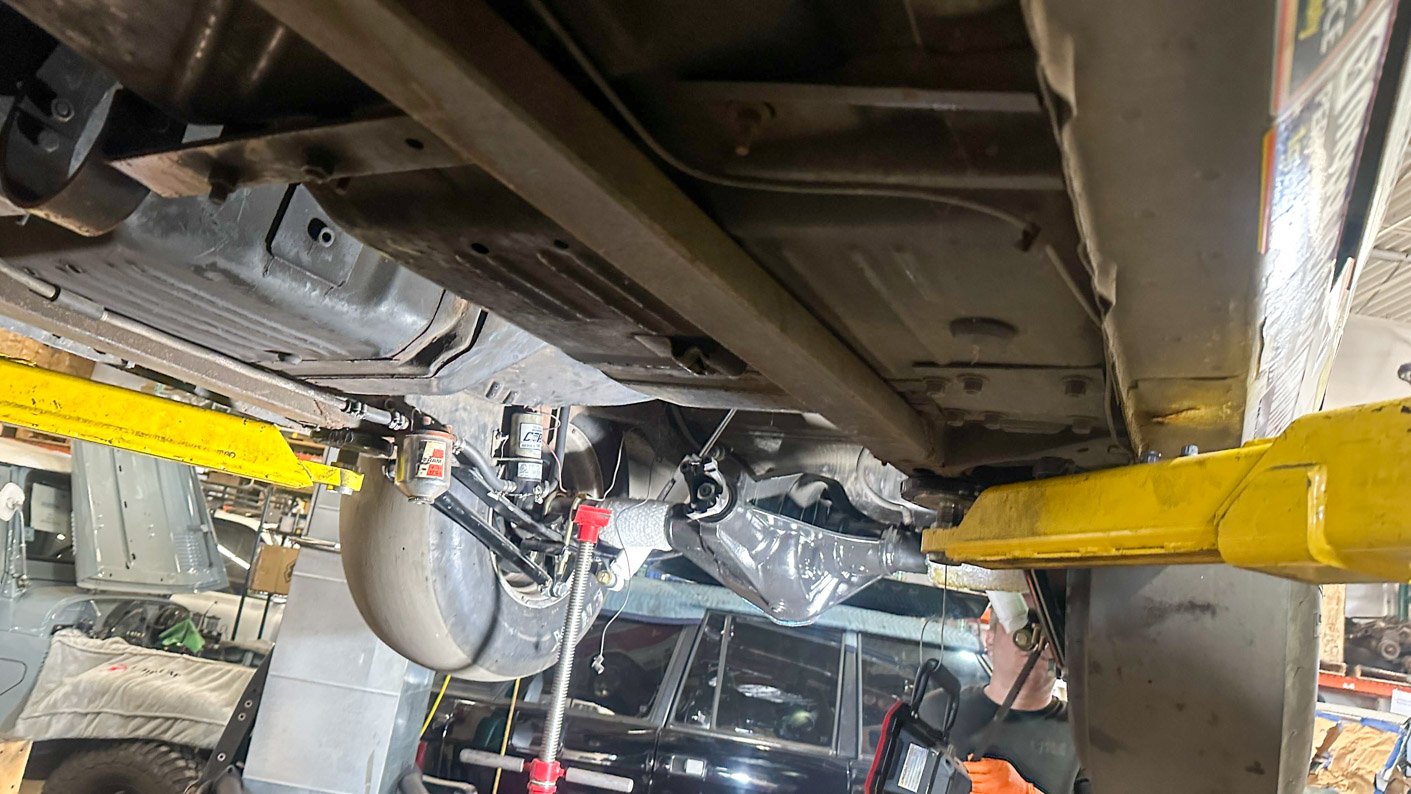
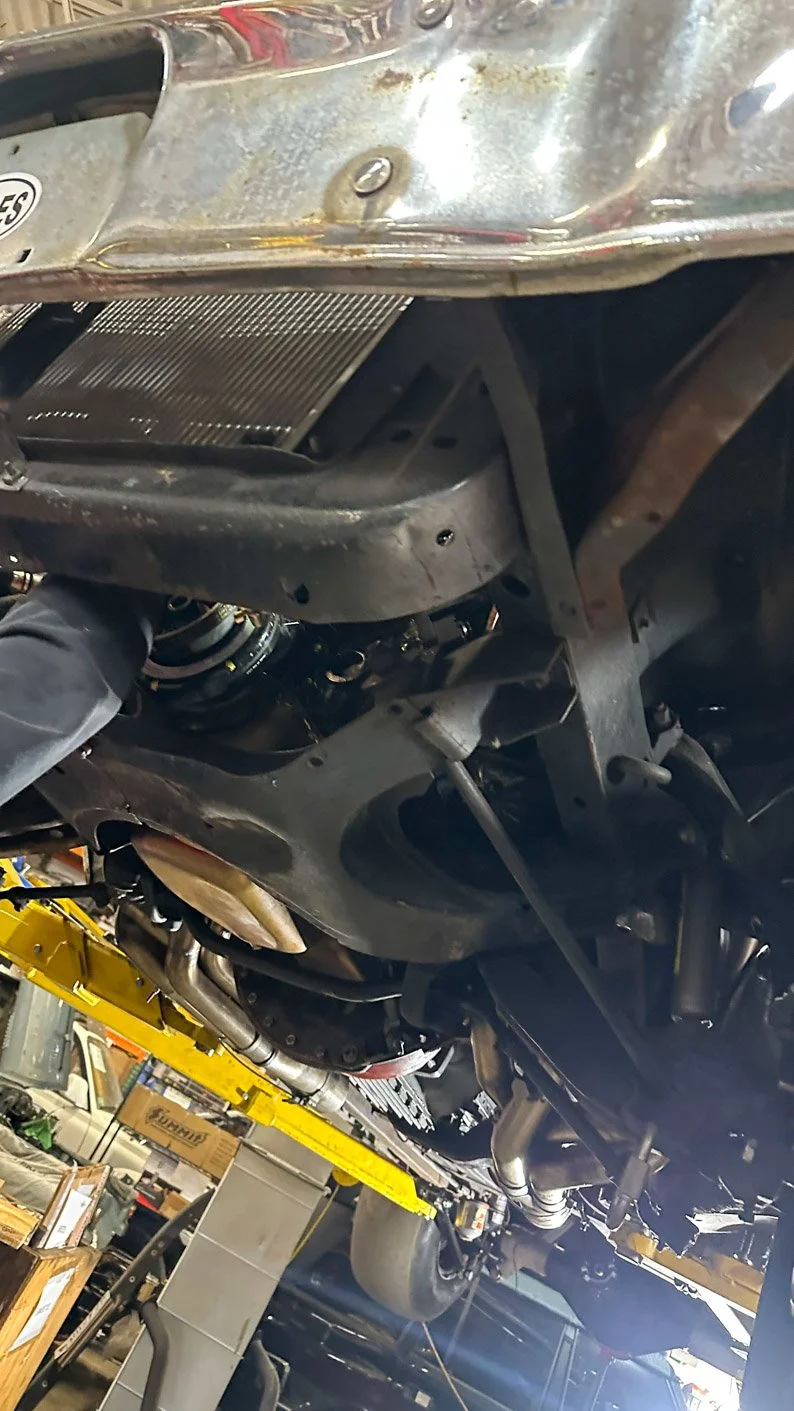
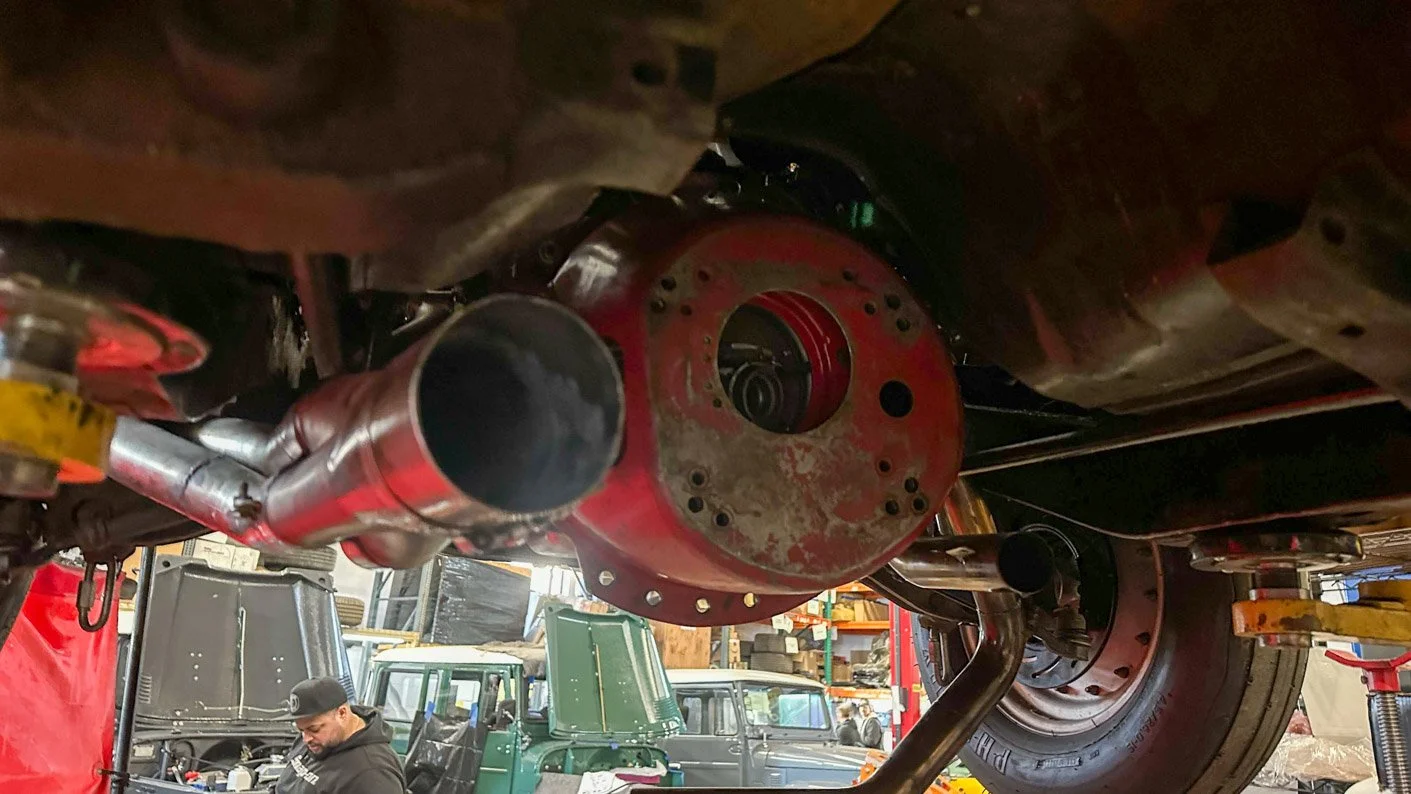
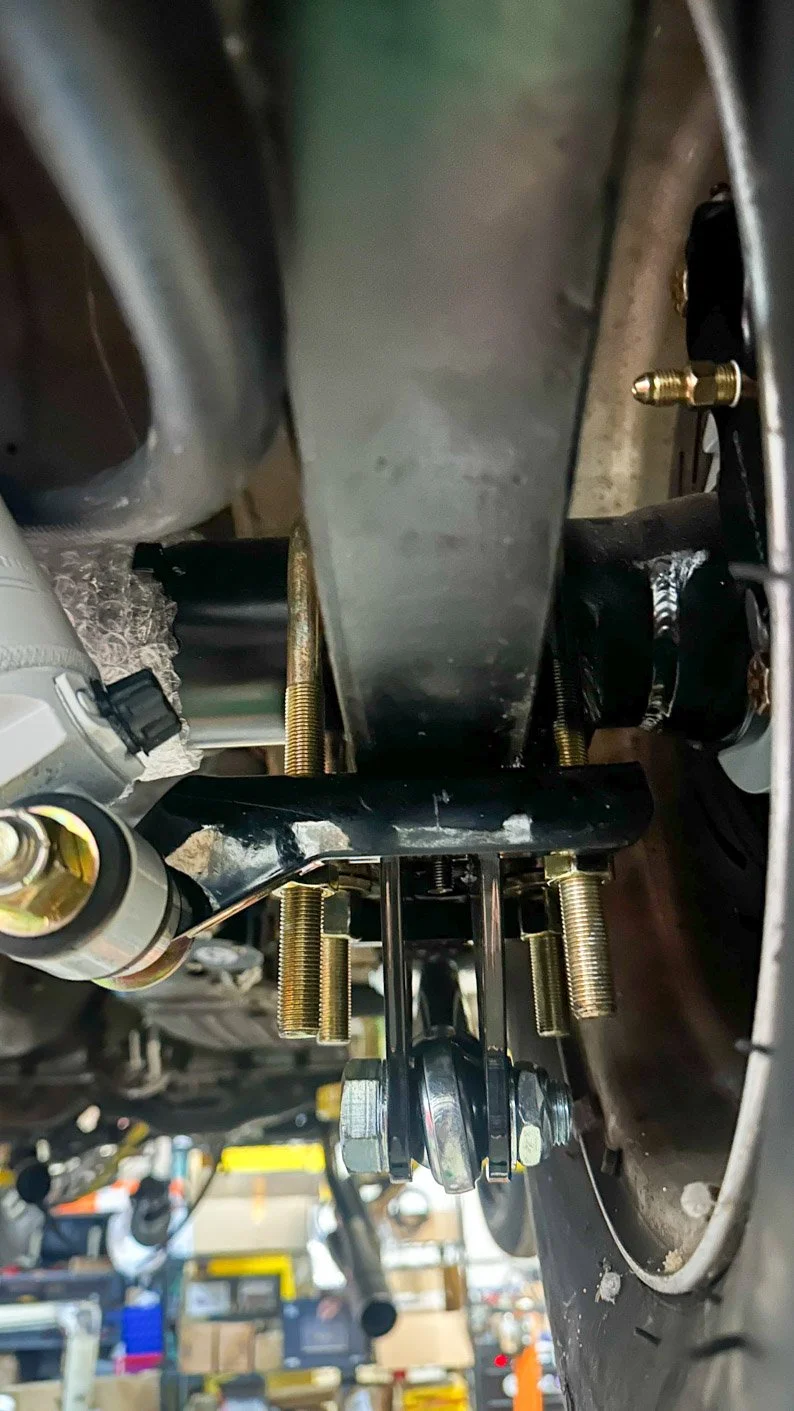
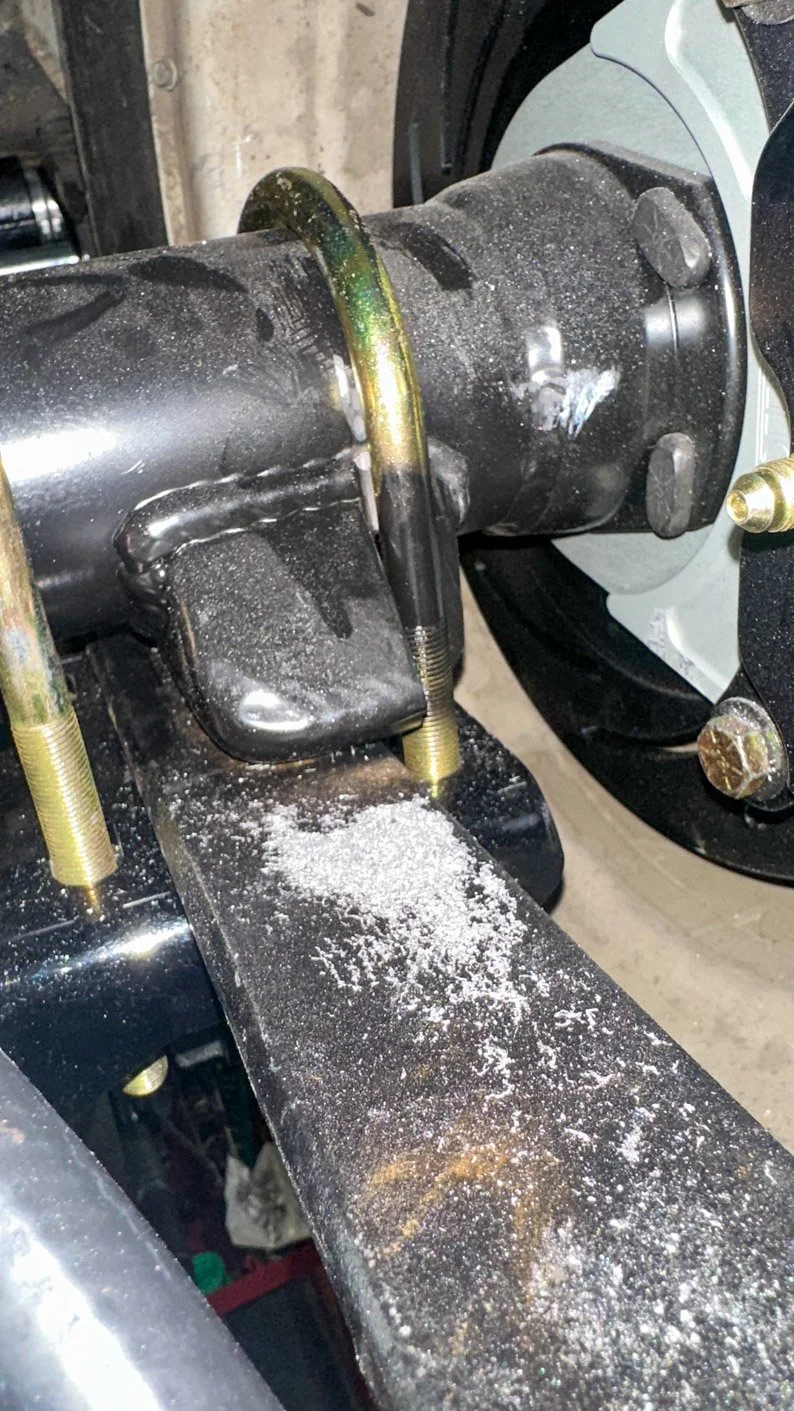
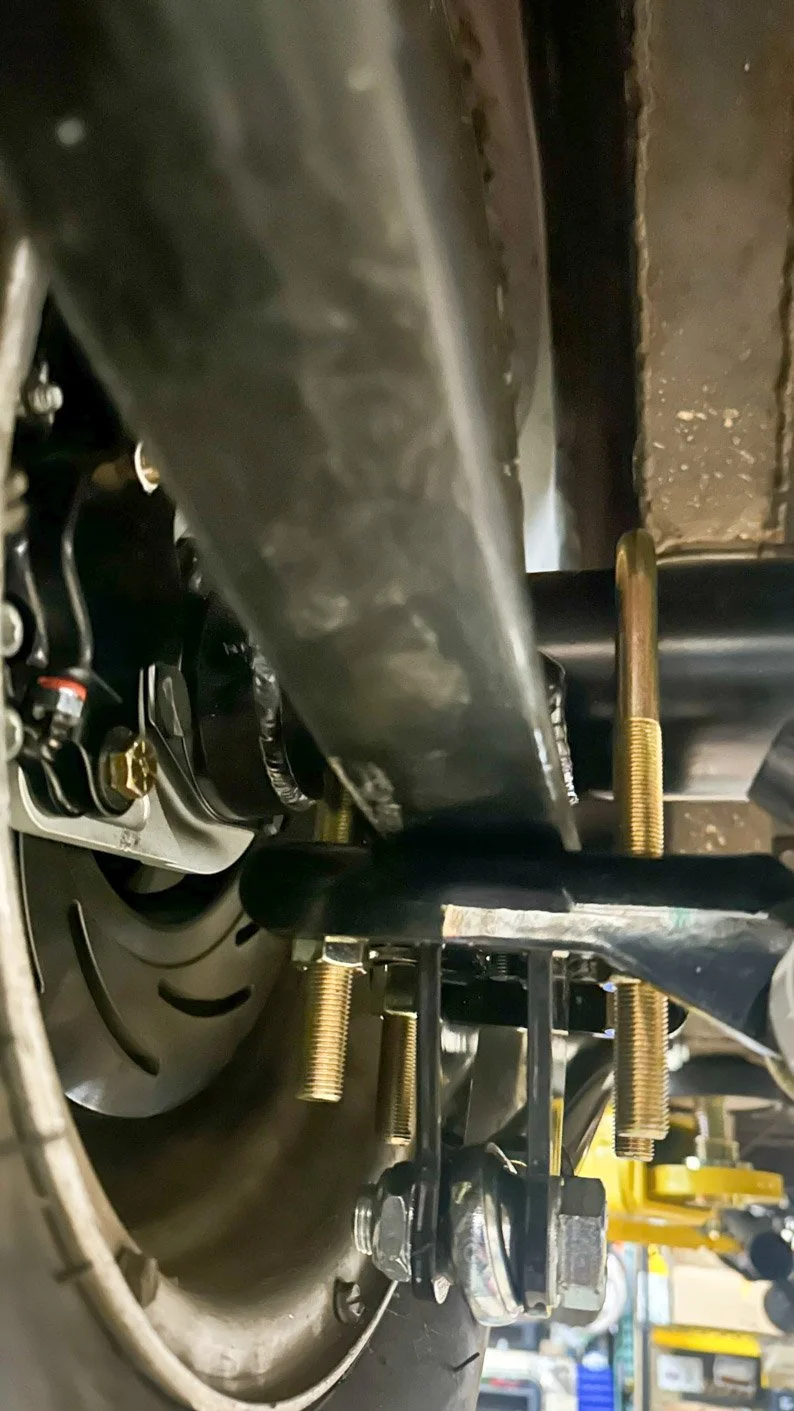
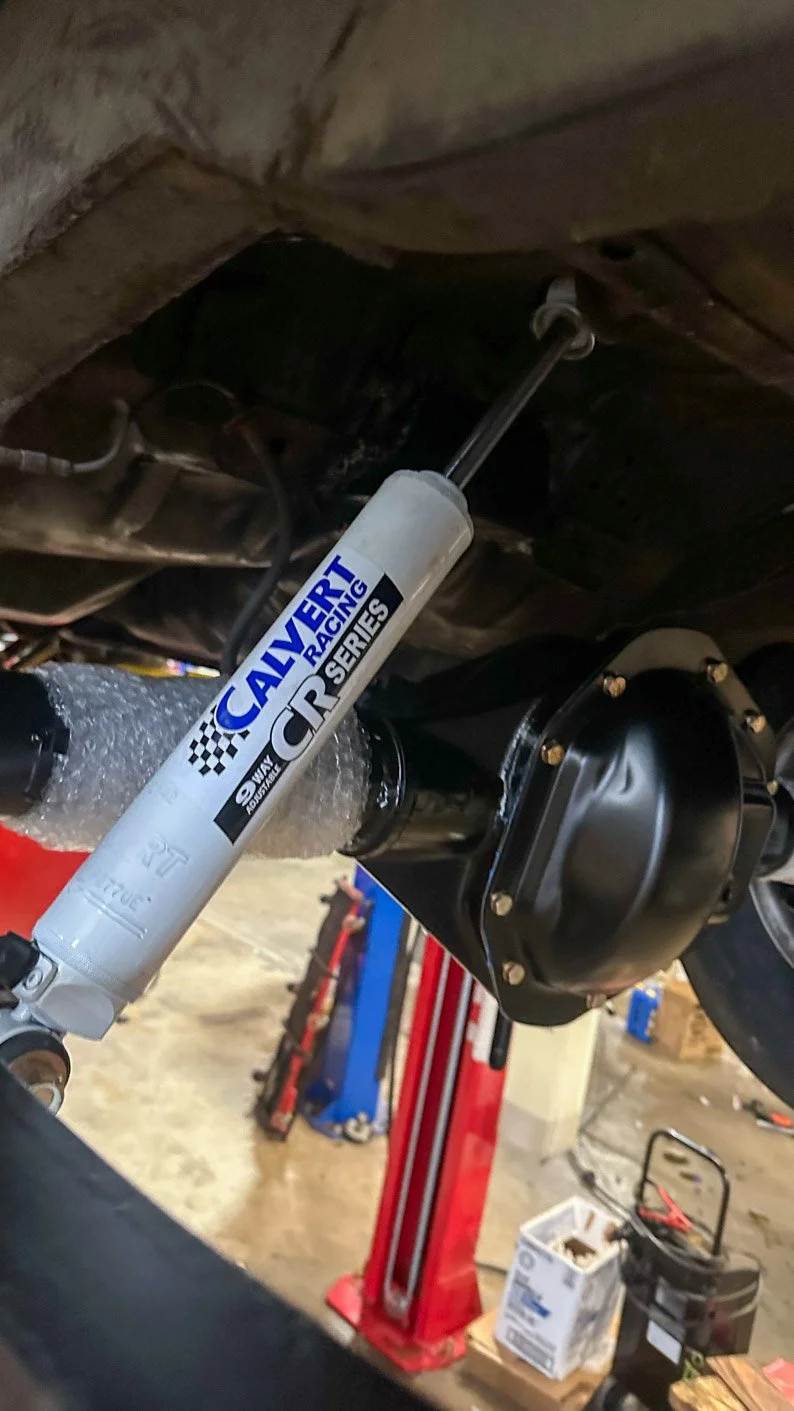
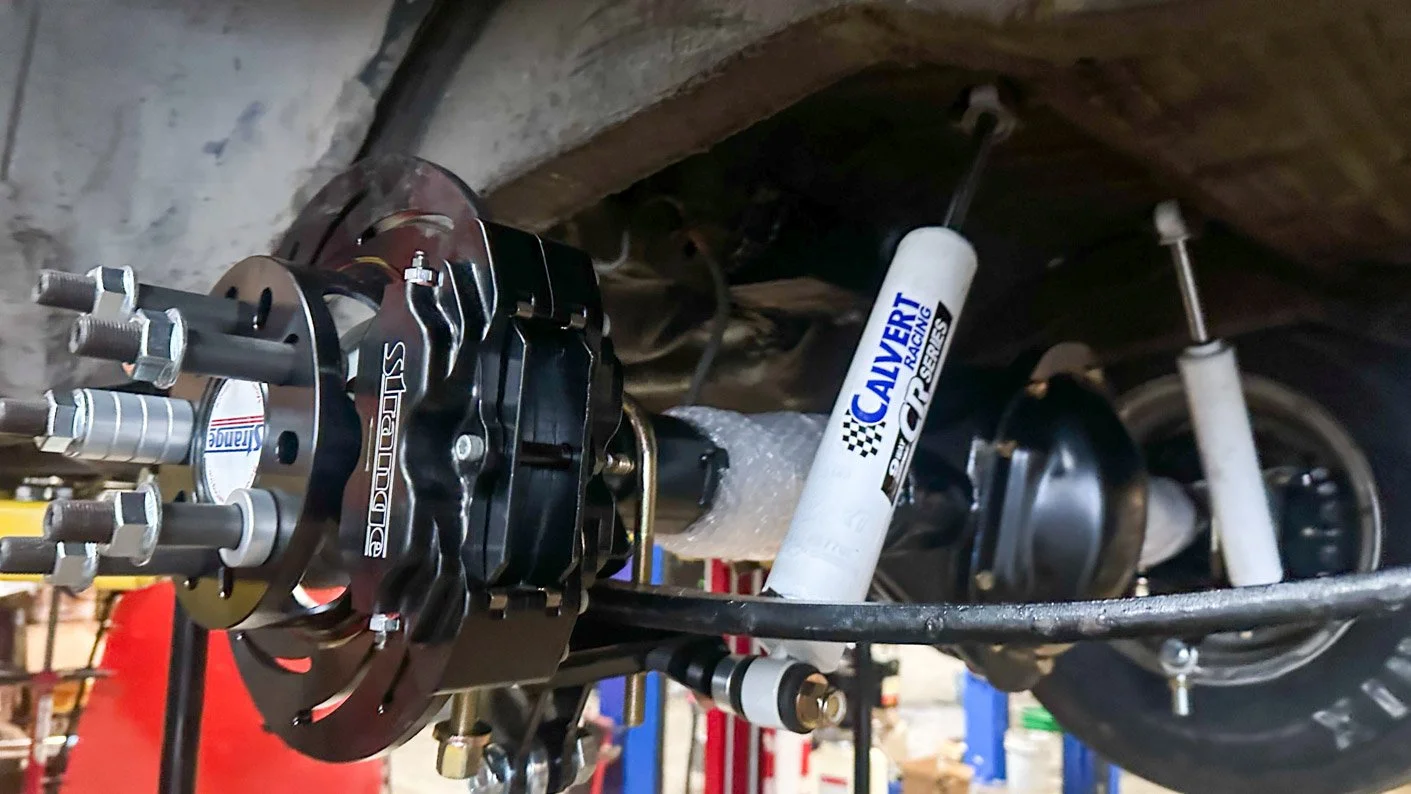
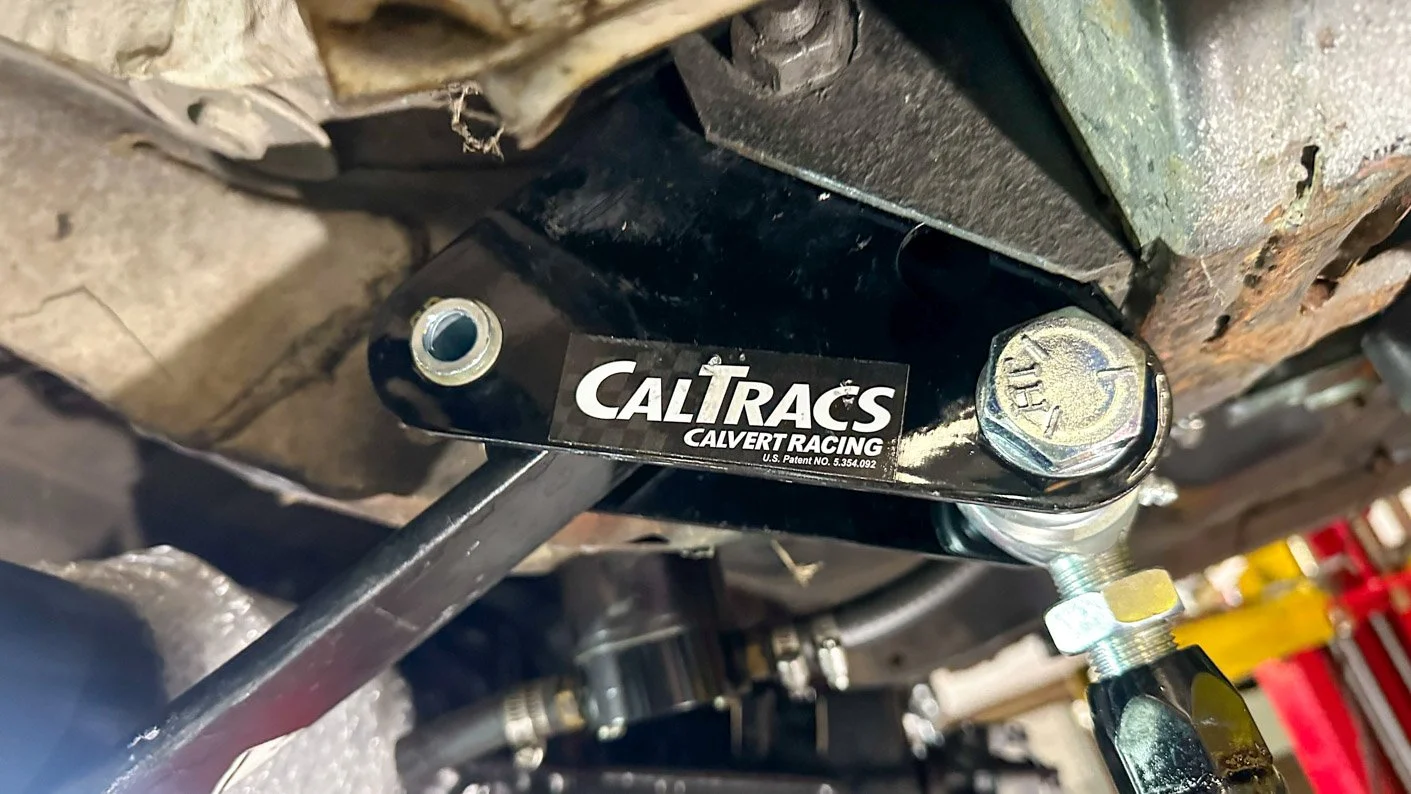
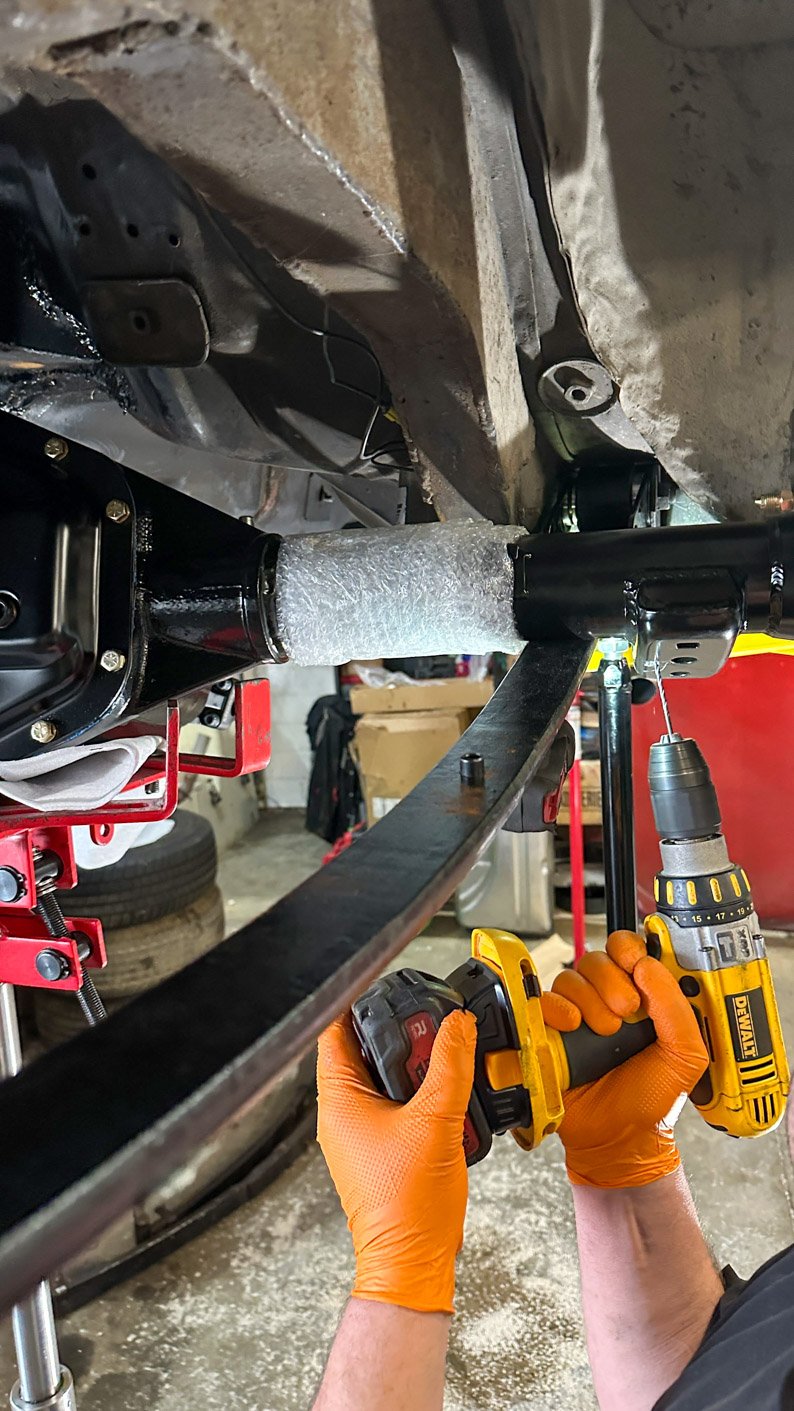
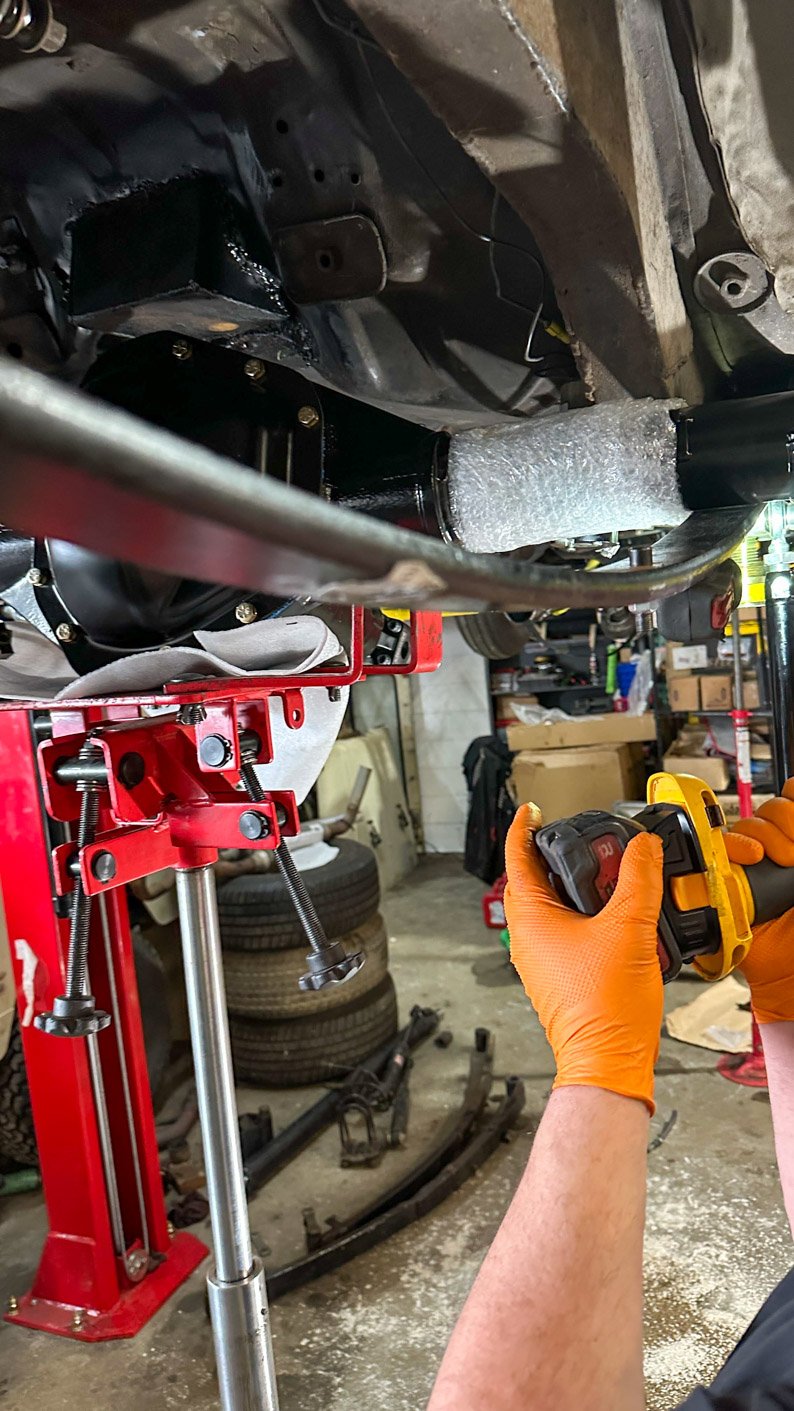
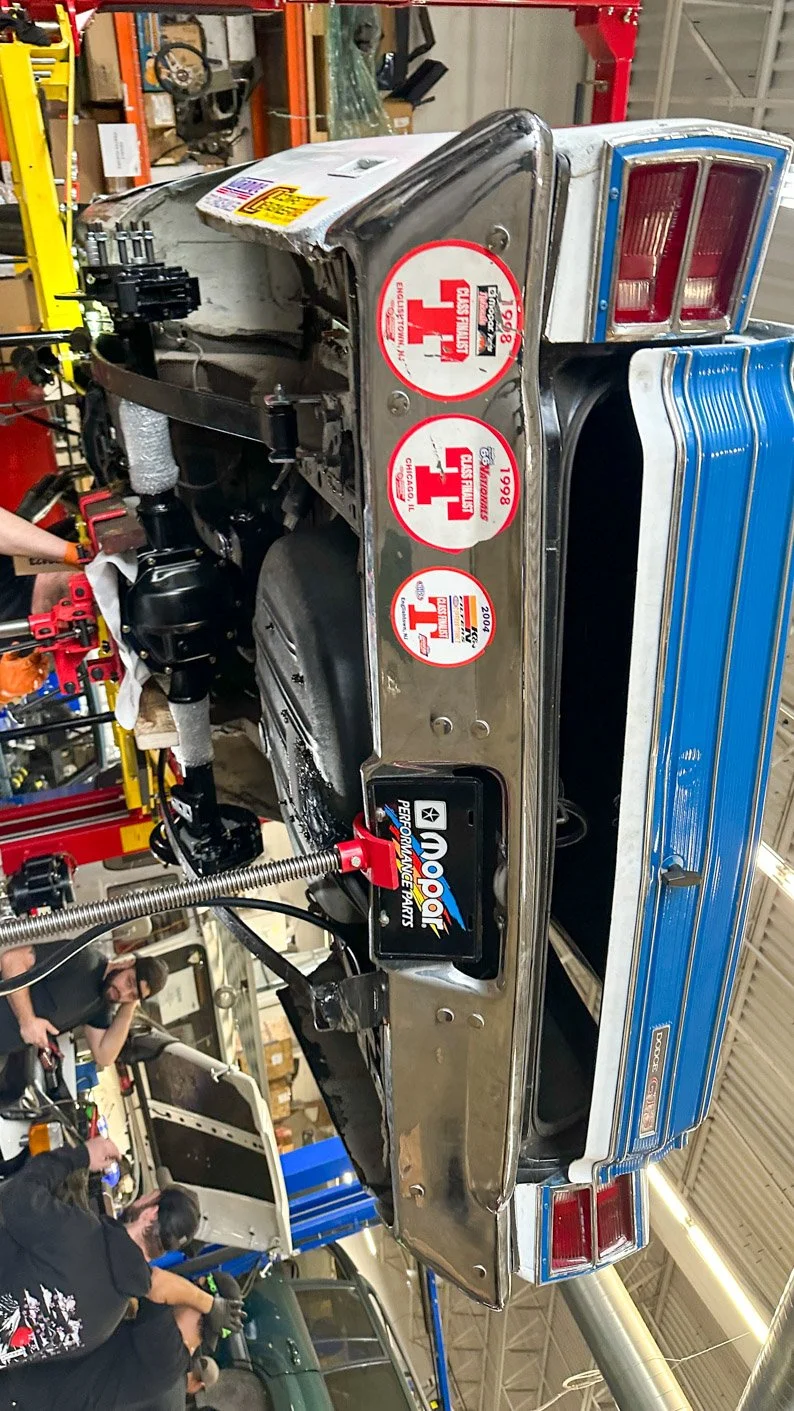
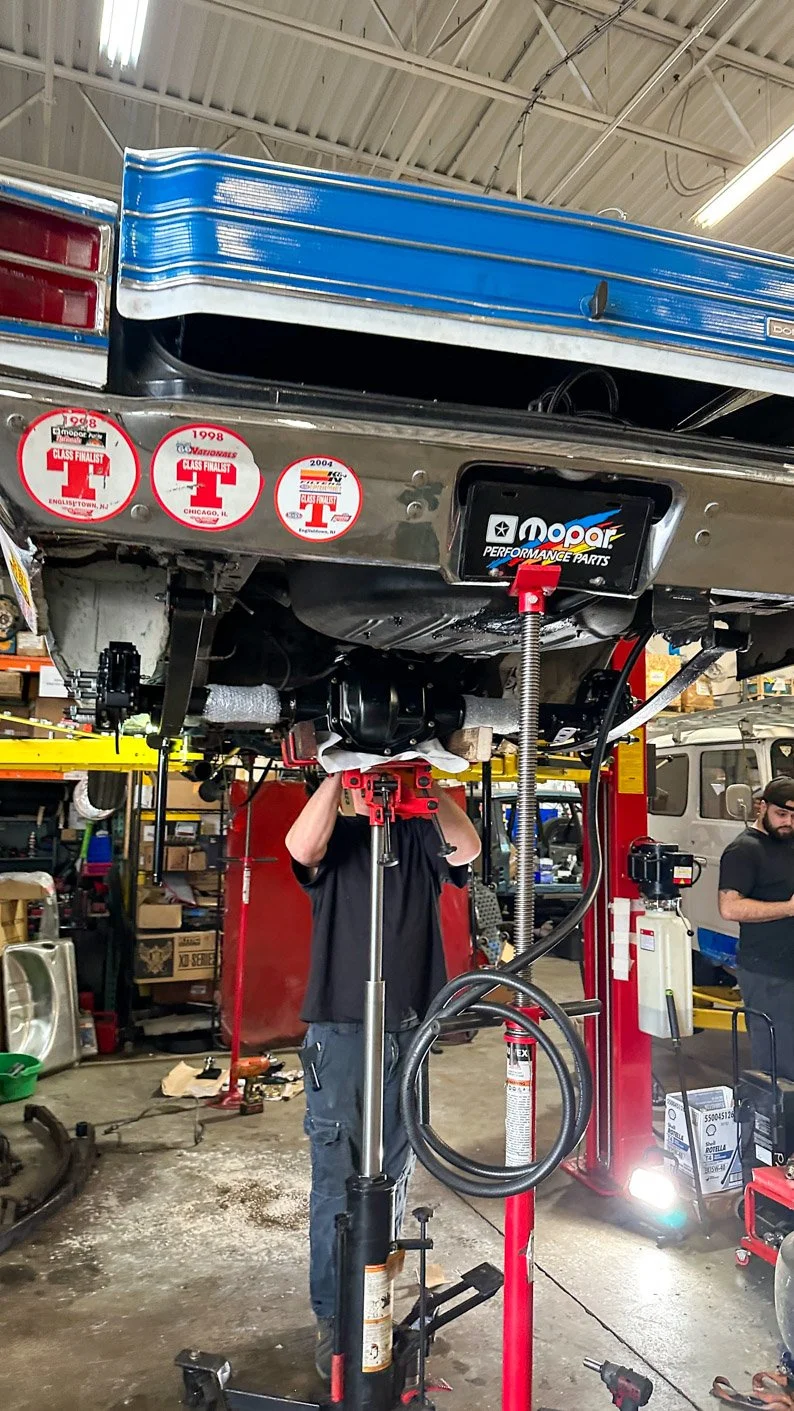
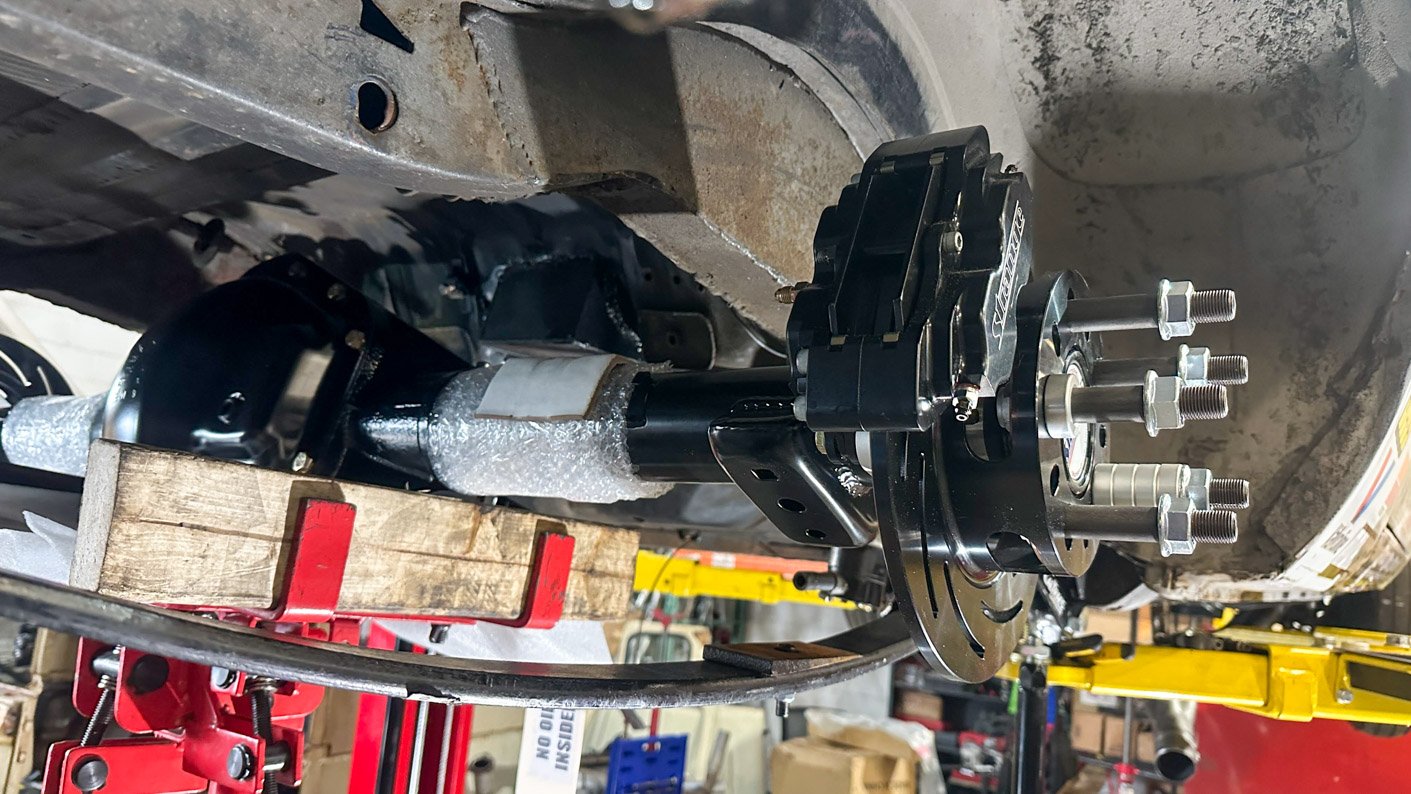
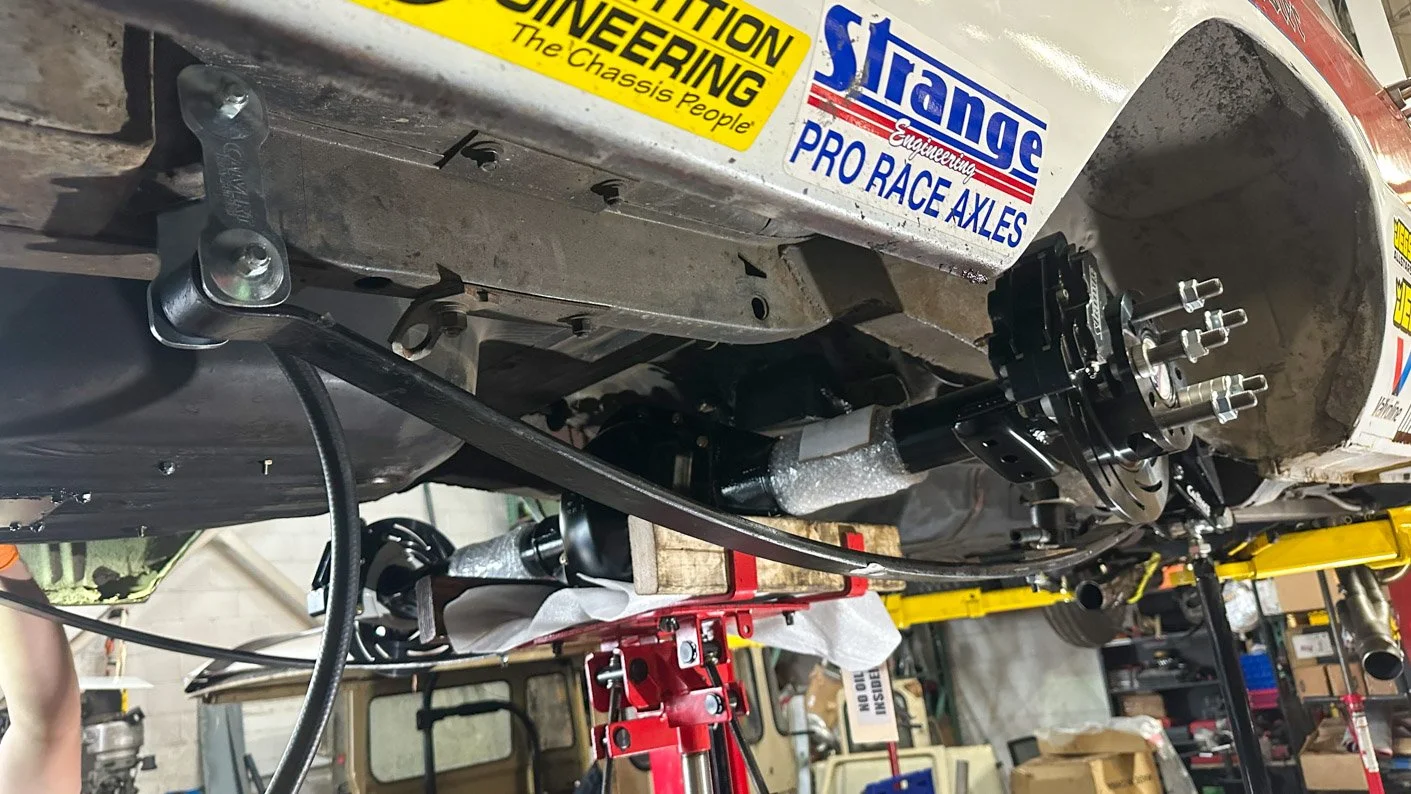
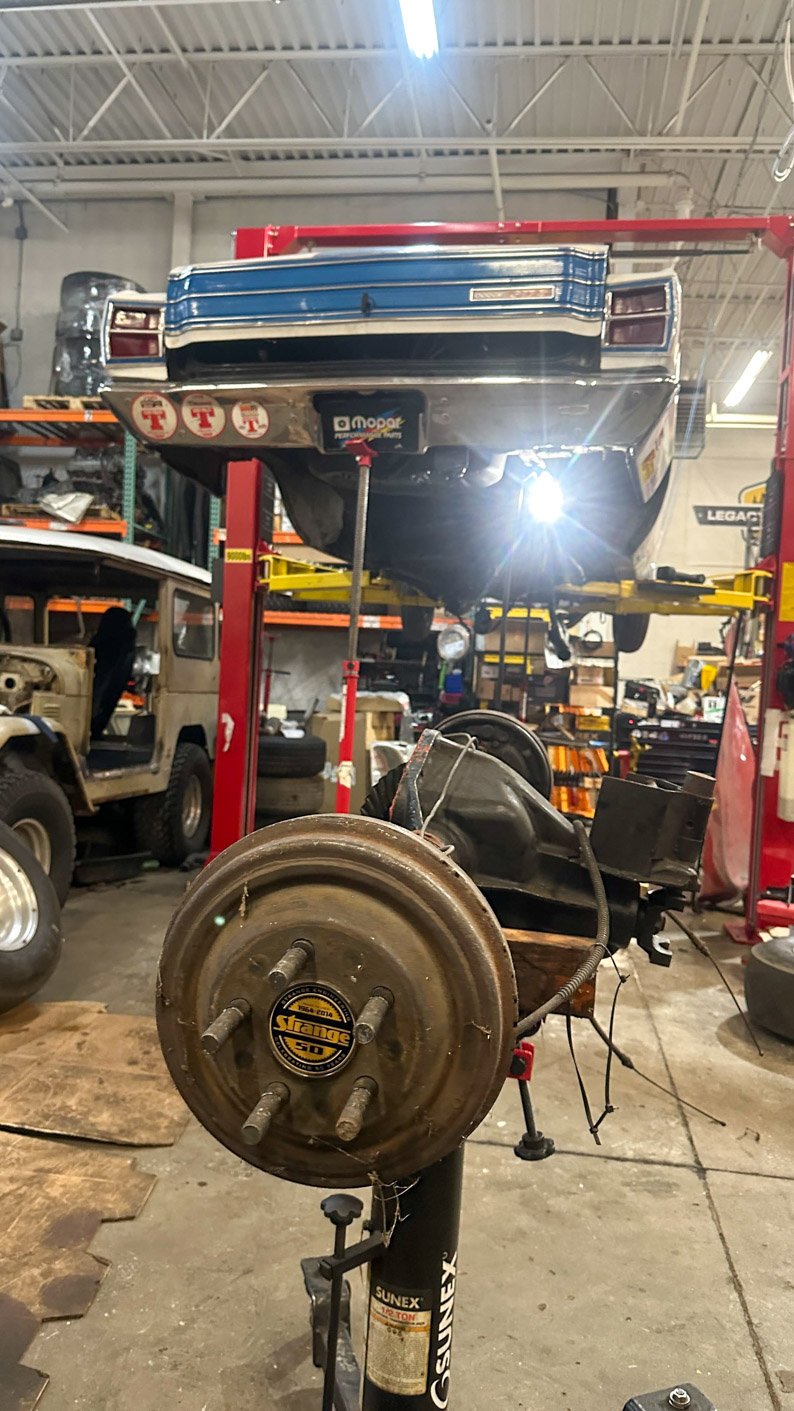
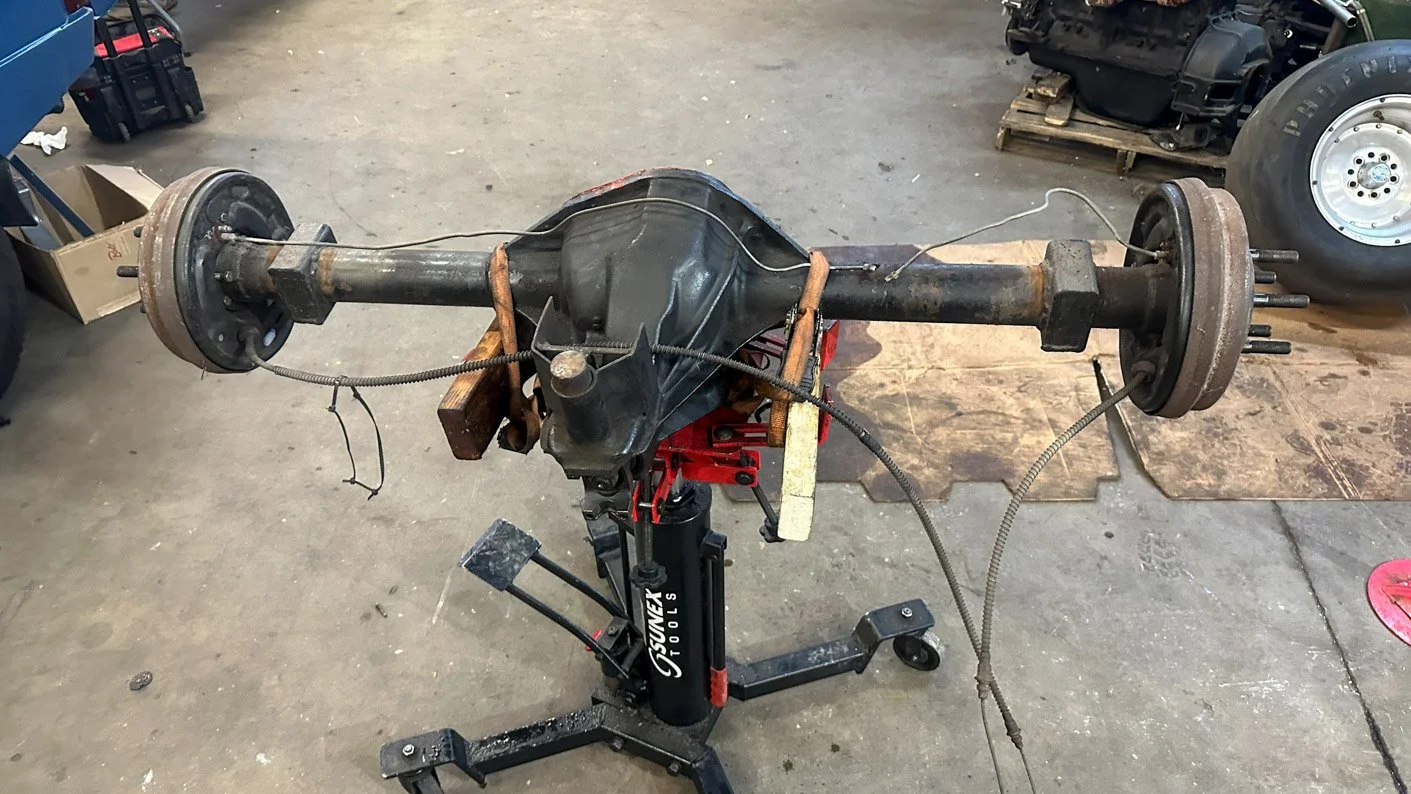
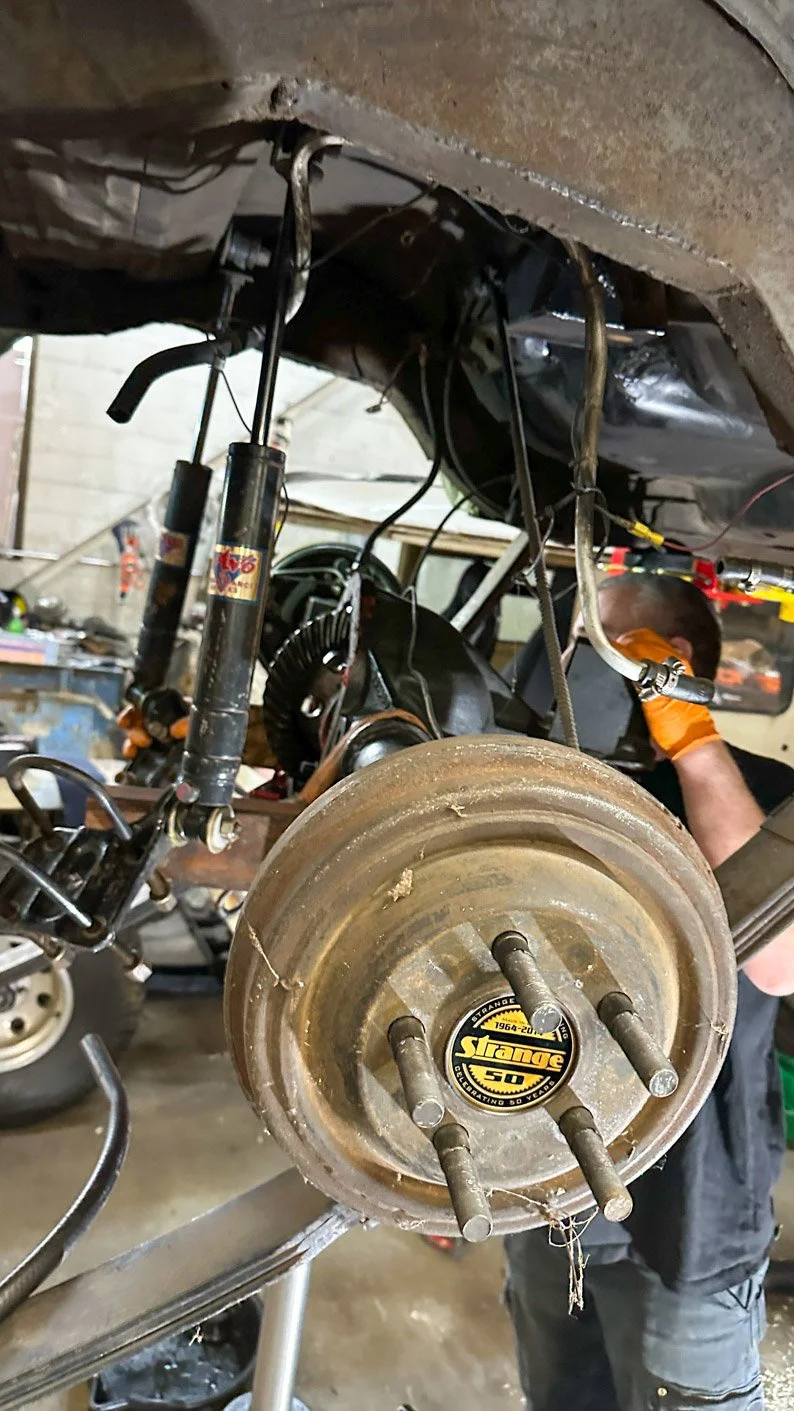
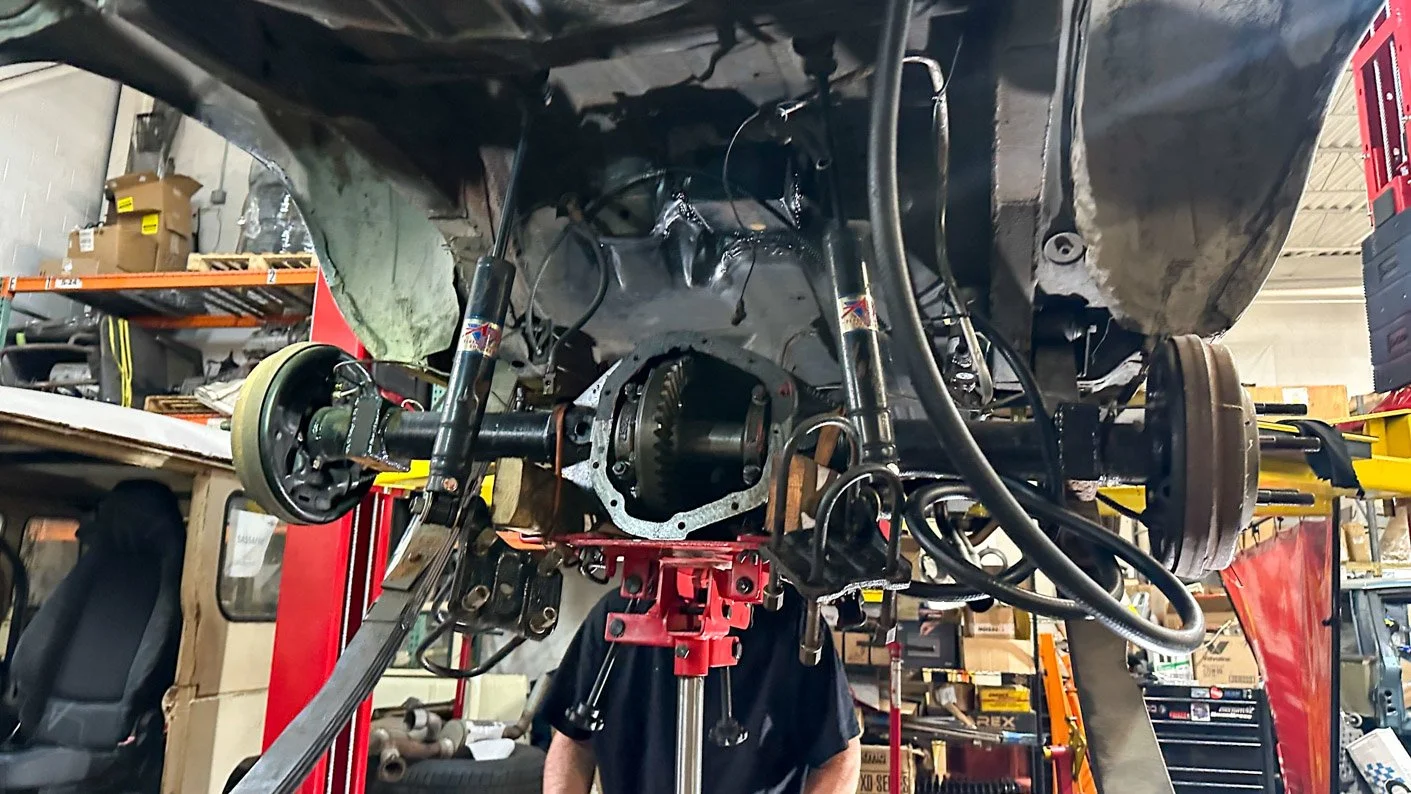
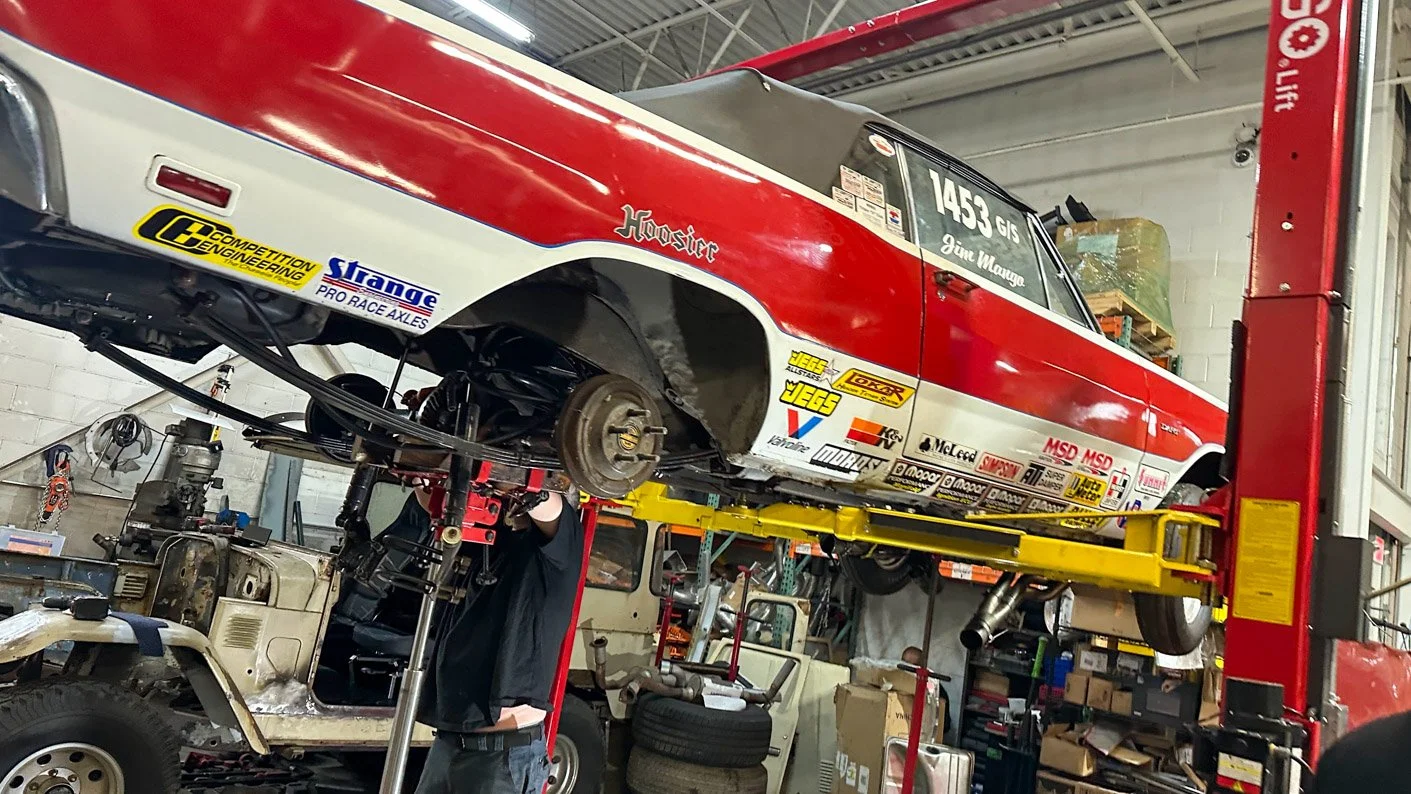
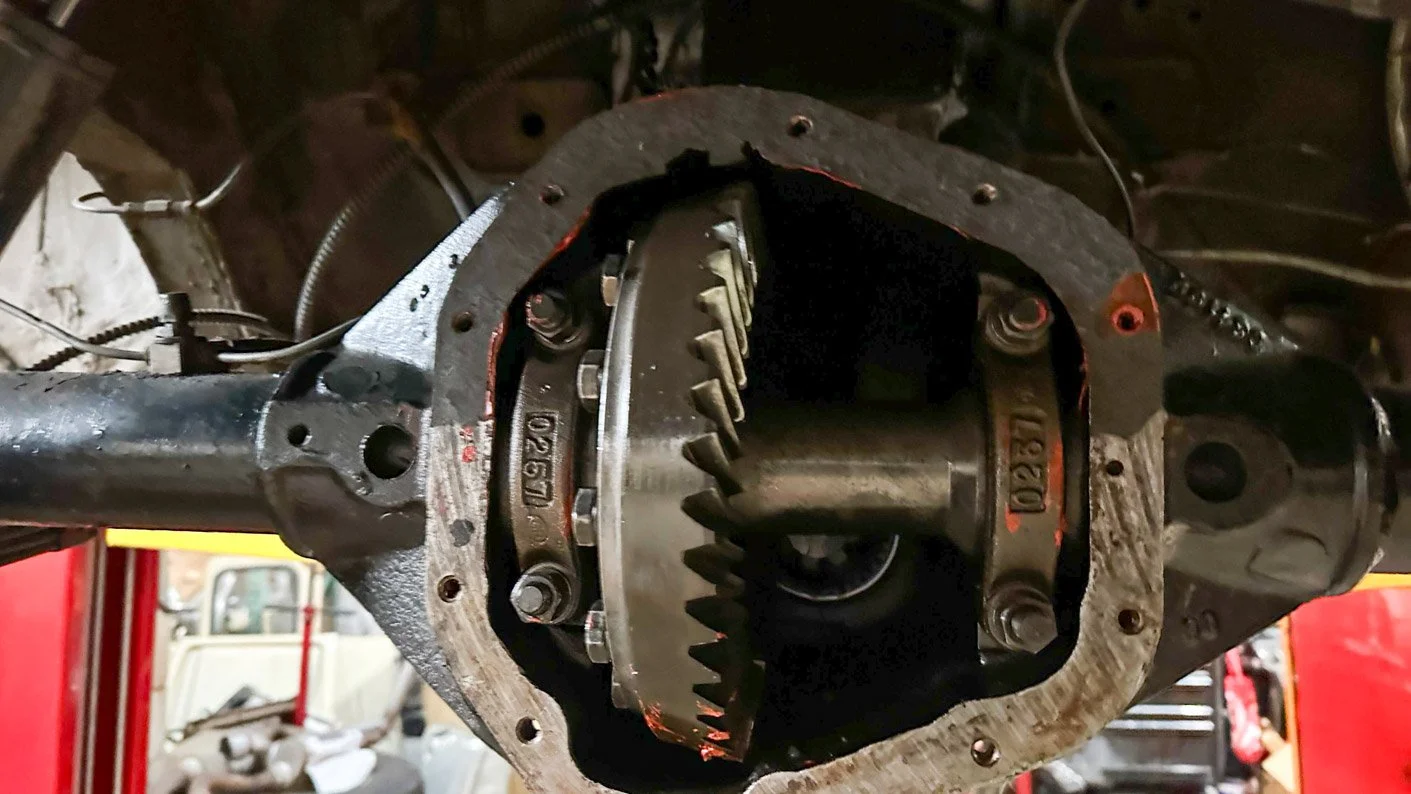
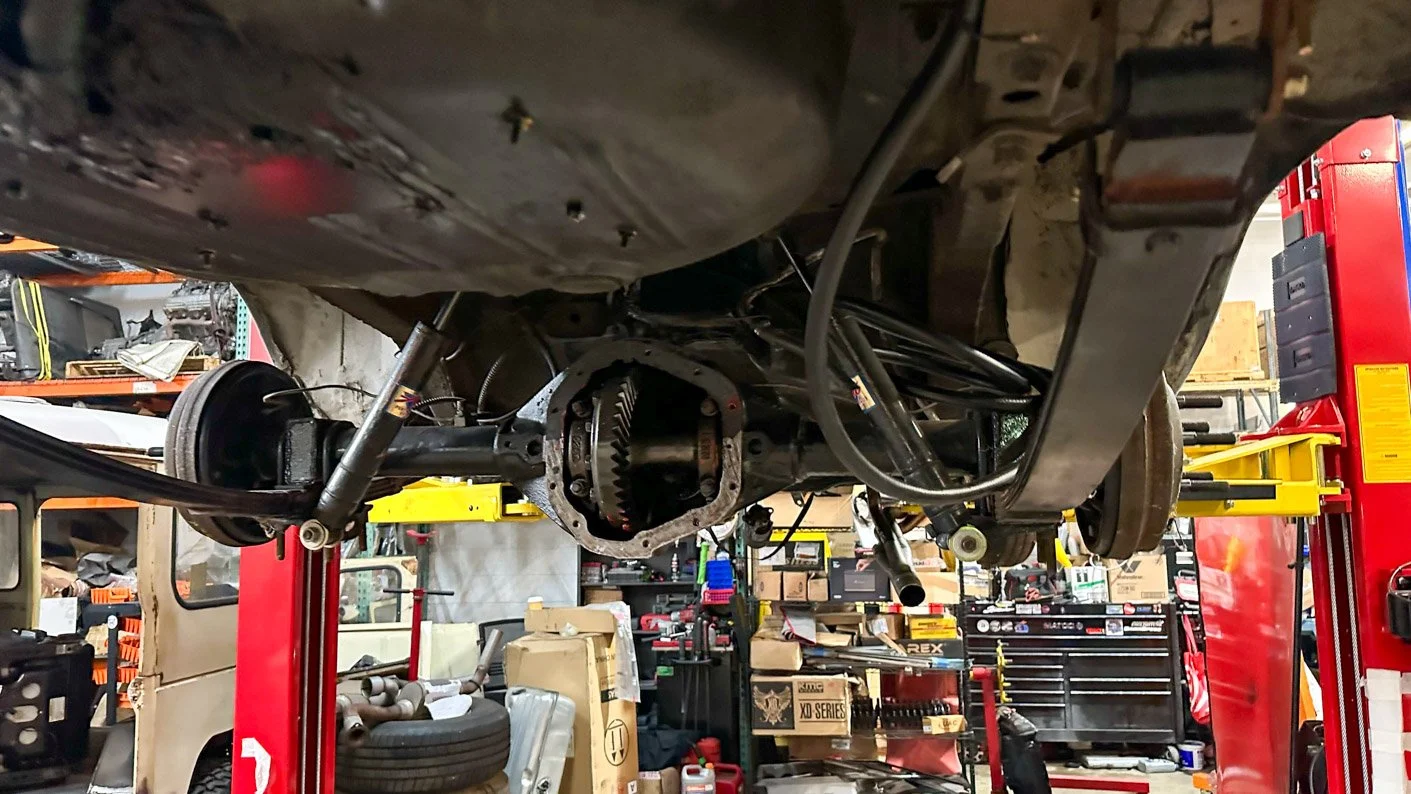
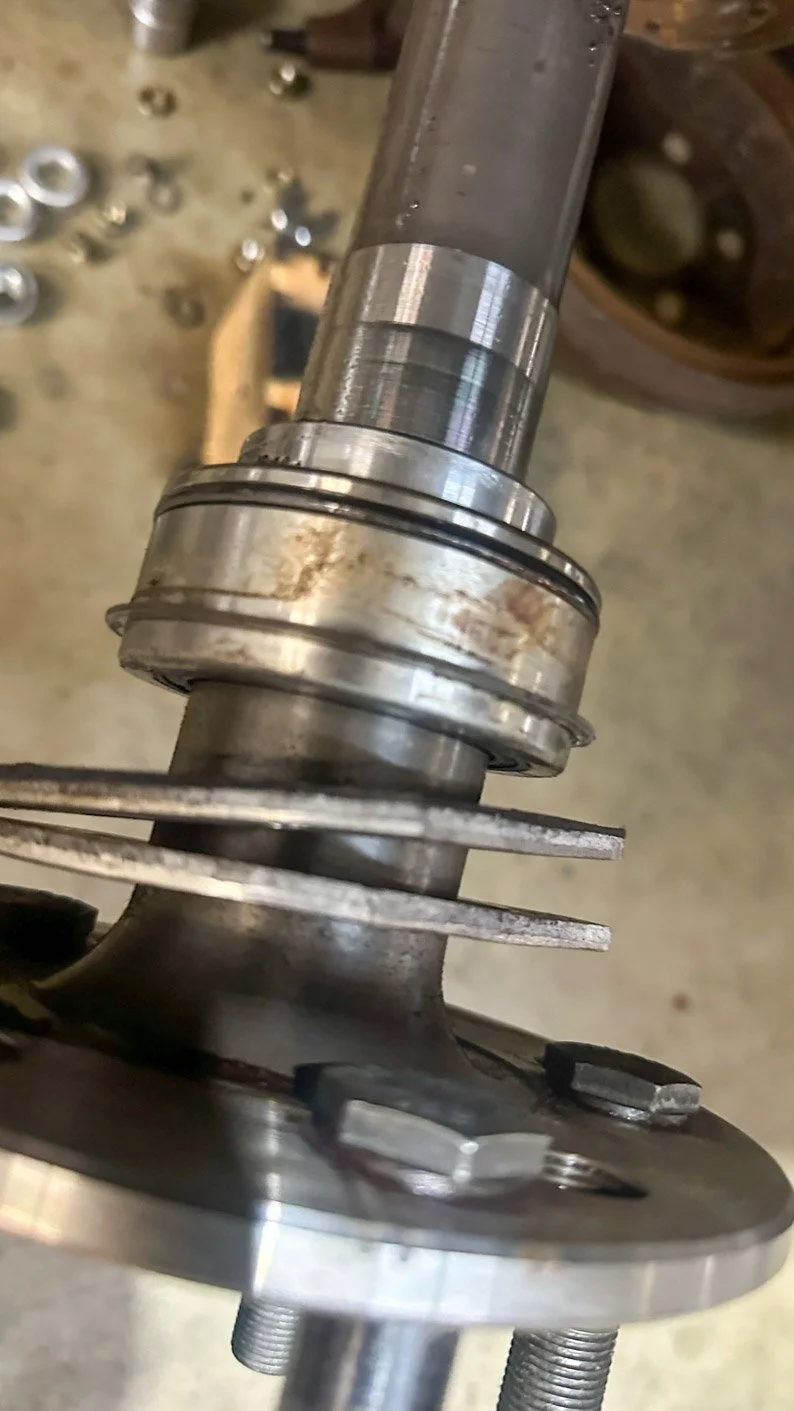
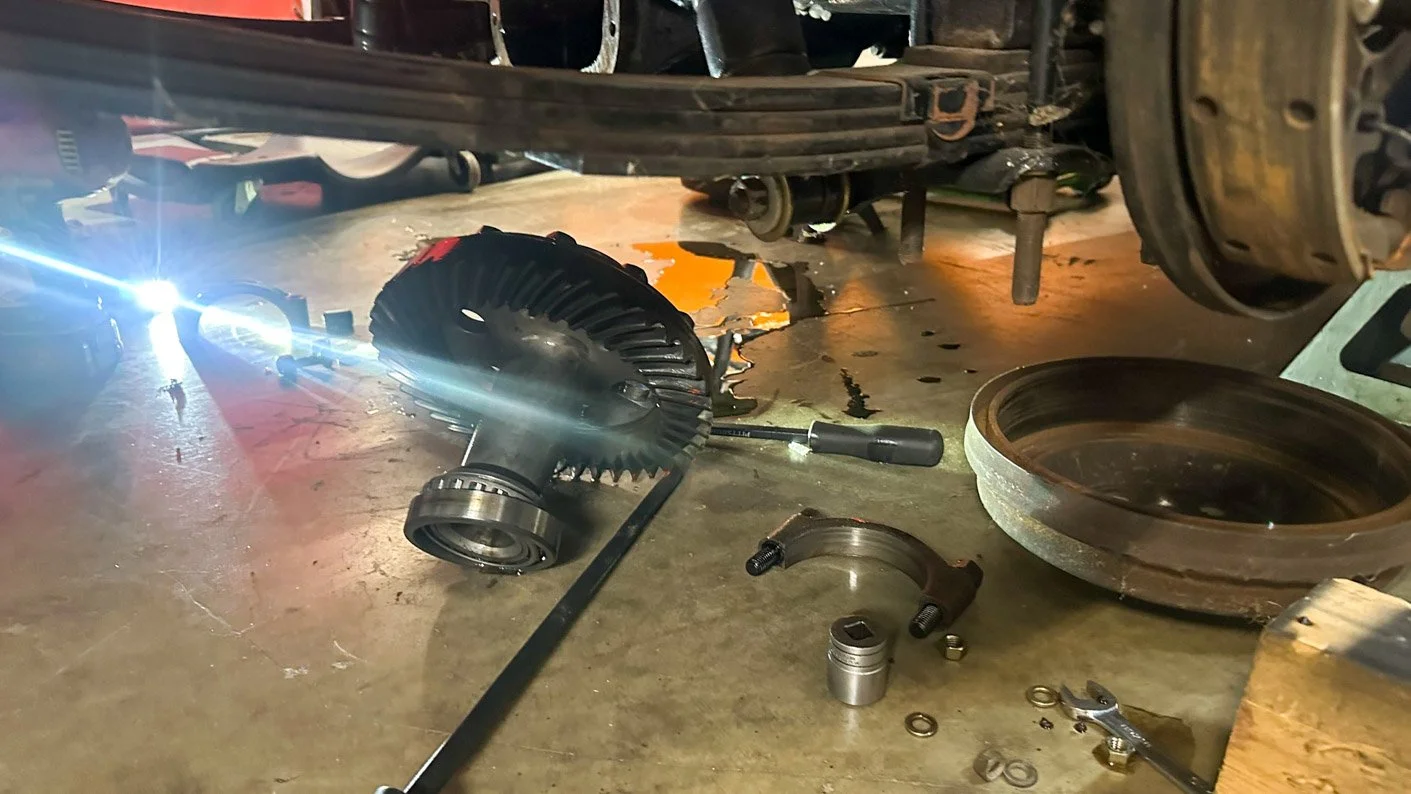
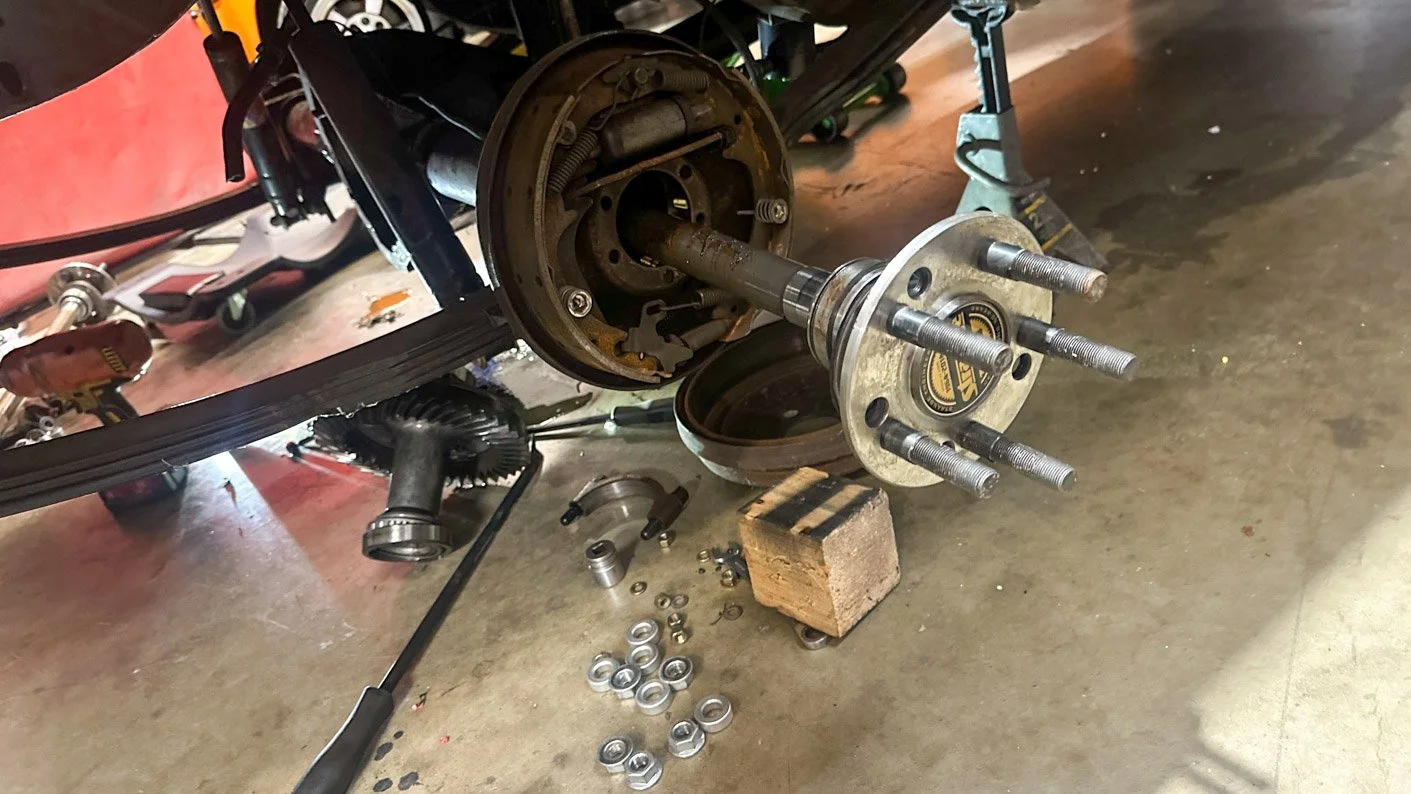
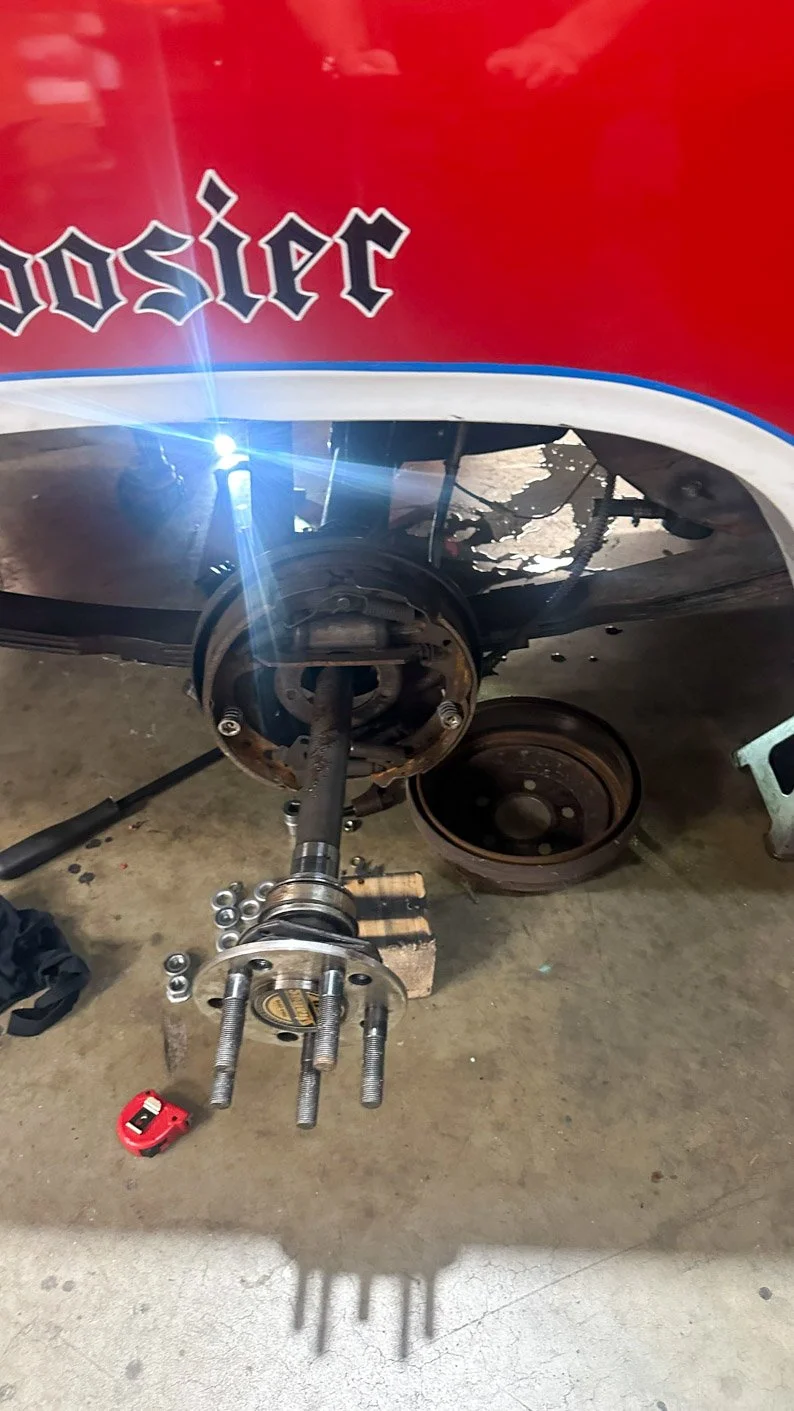
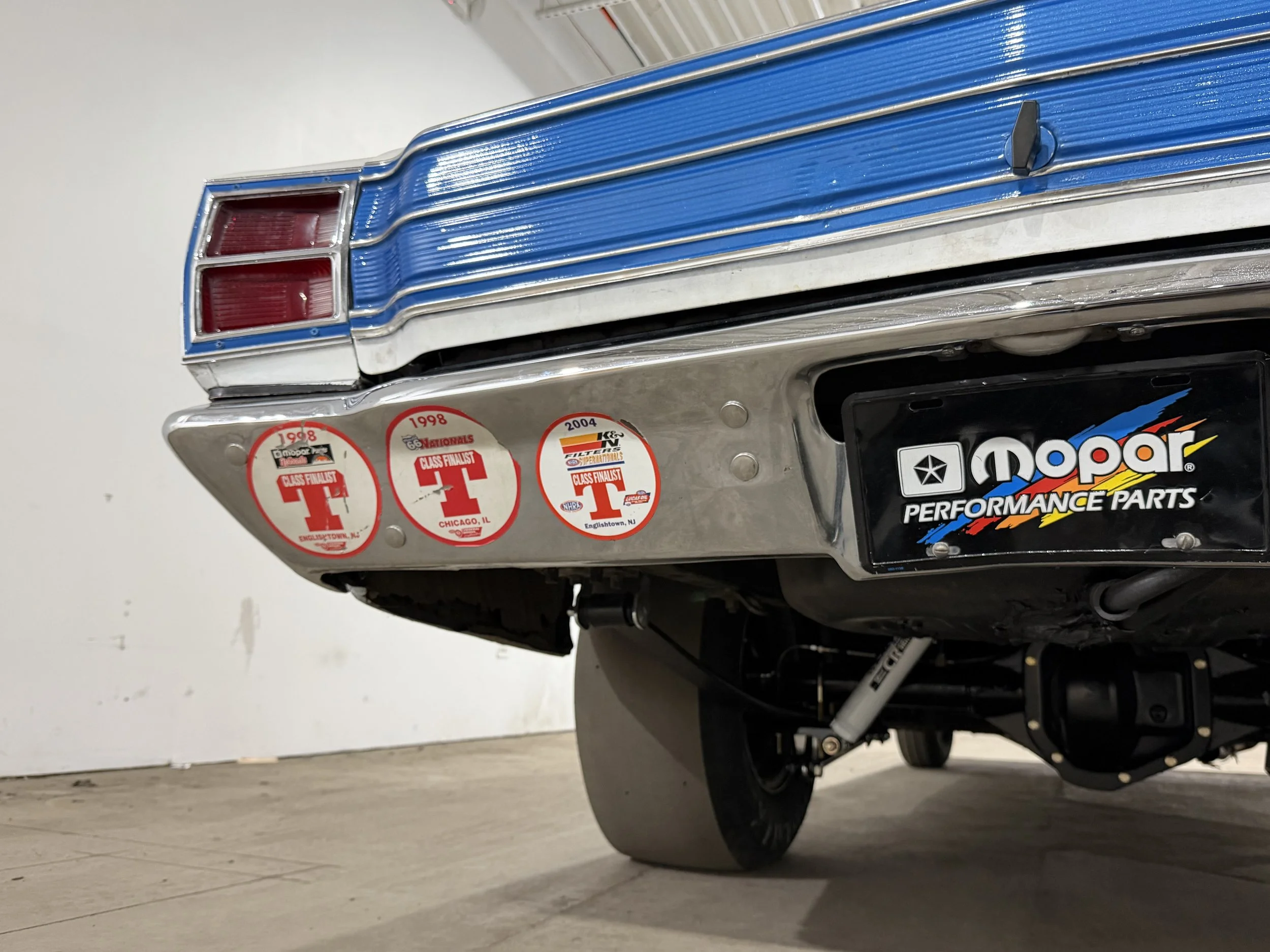
Rear suspension geometry was reimagined using CalTracs and revised leaf spring mounting, requiring fabrication, cutting, and repositioning to dial in preload and pinion angle. The rear differential was rebuilt and fitted to match the narrower, performance-oriented setup. Clearance work throughout the rear fender wells ensured the car could actually put power down without compromise.
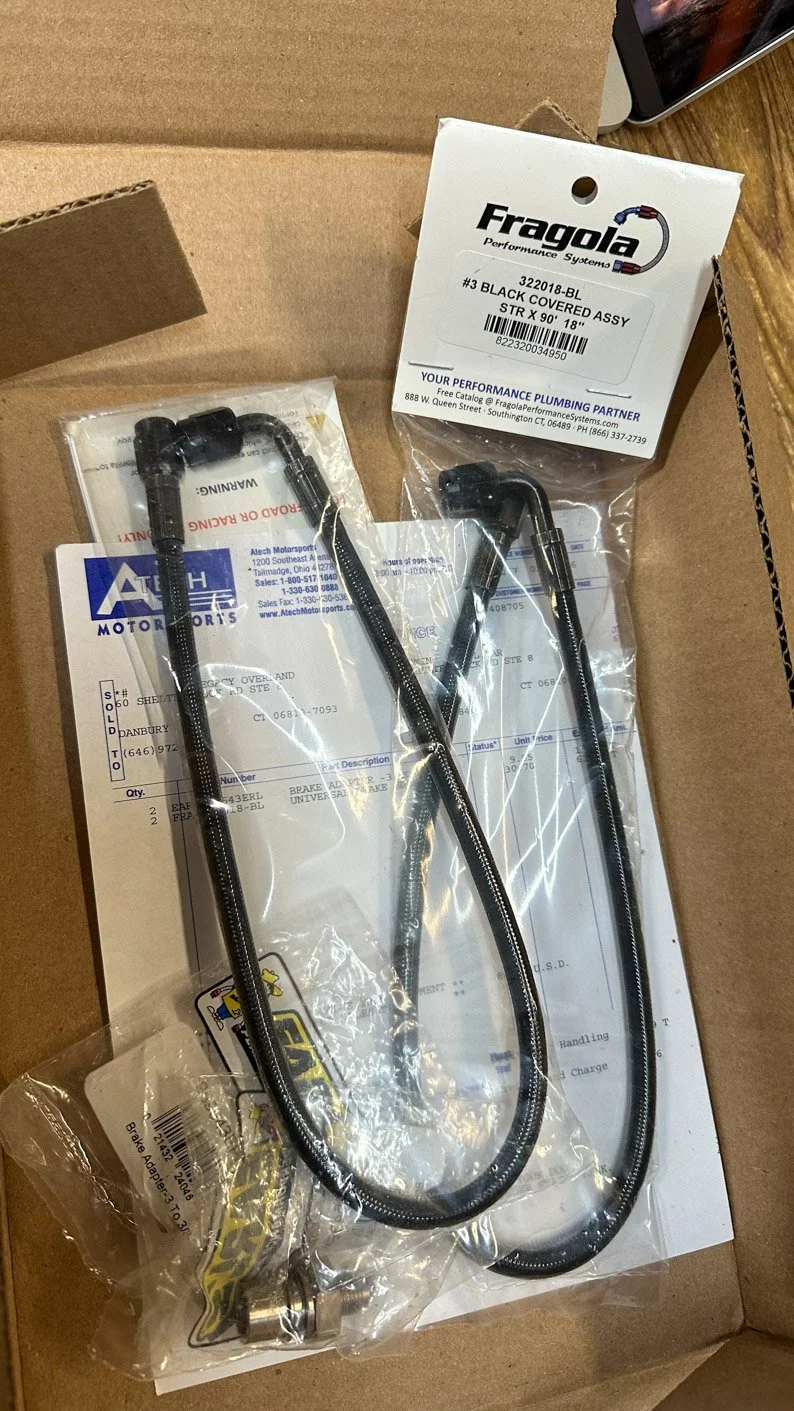
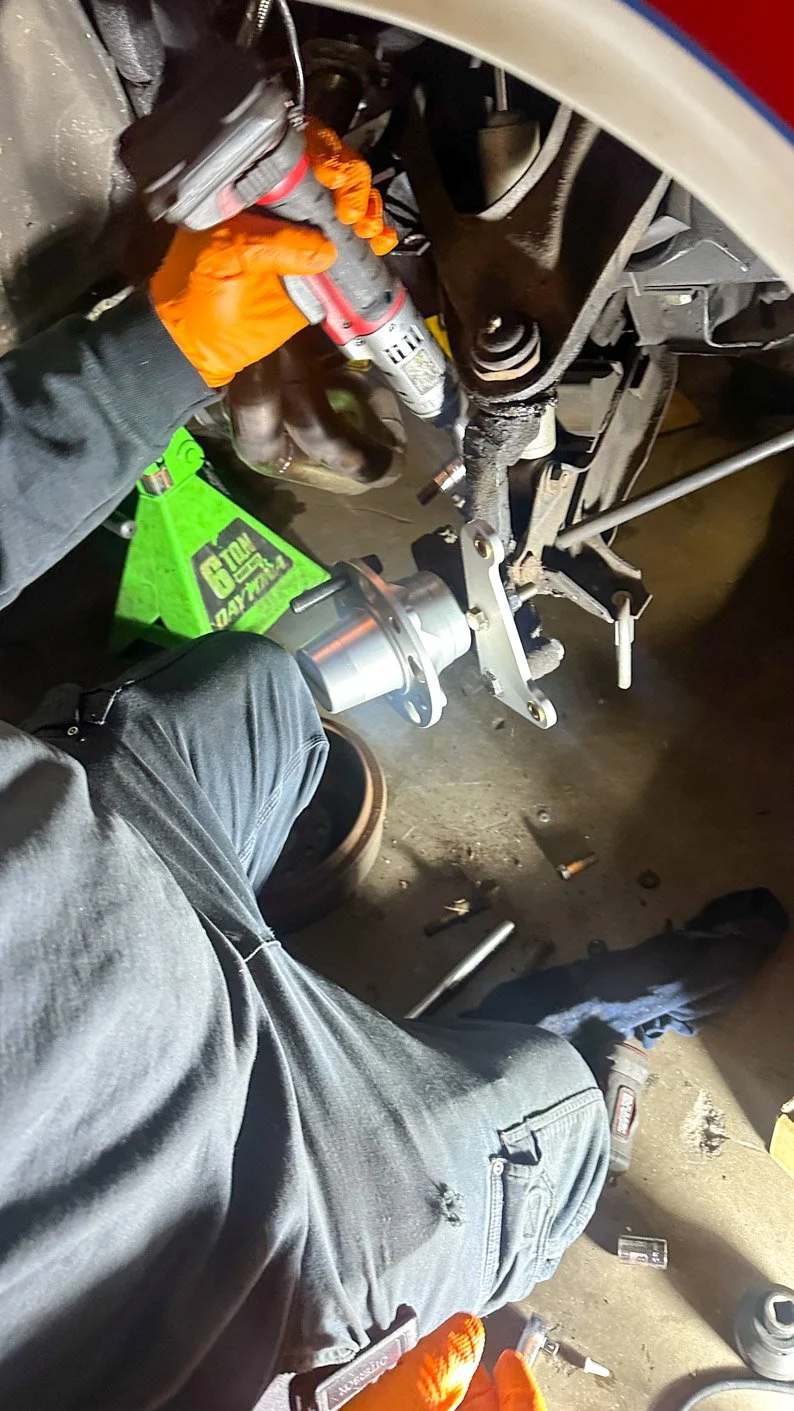
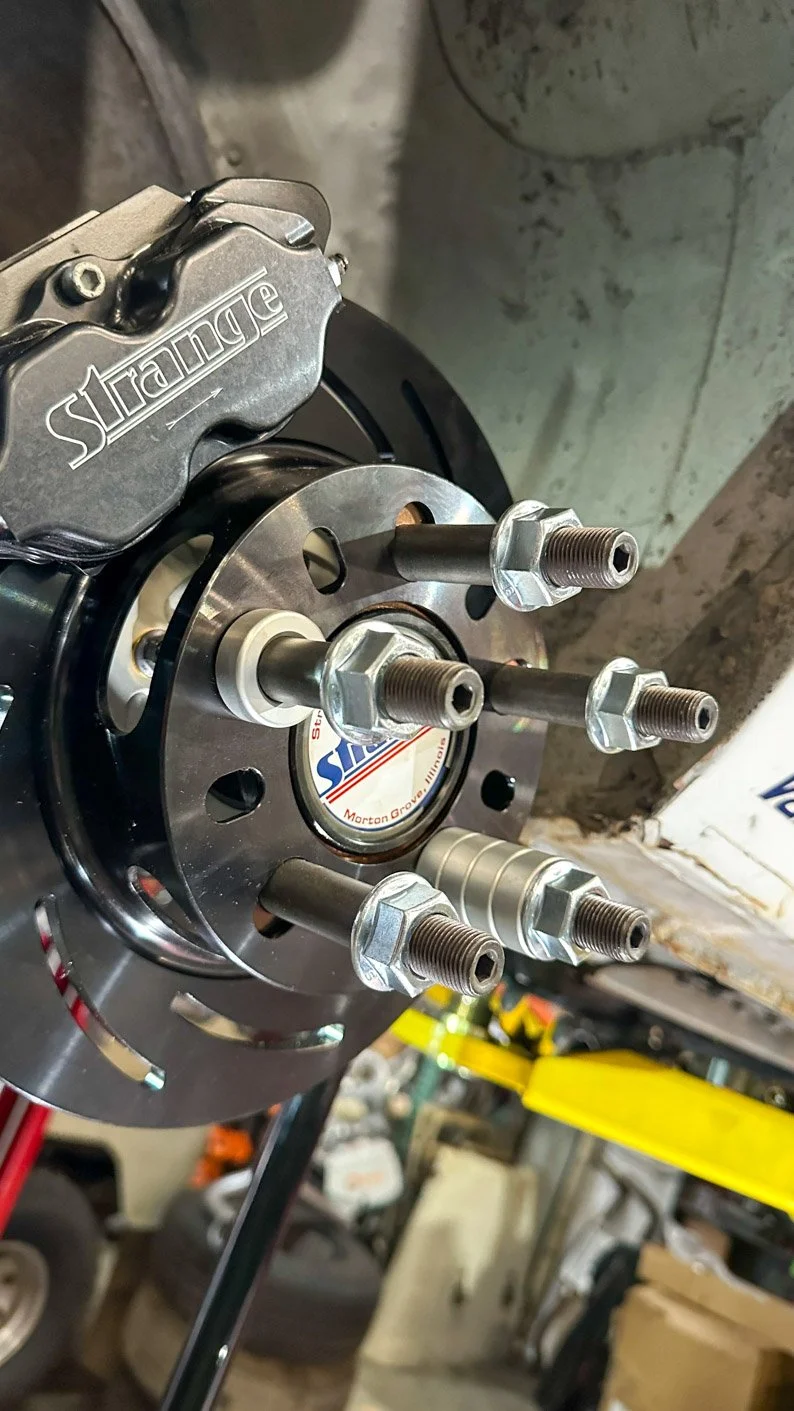
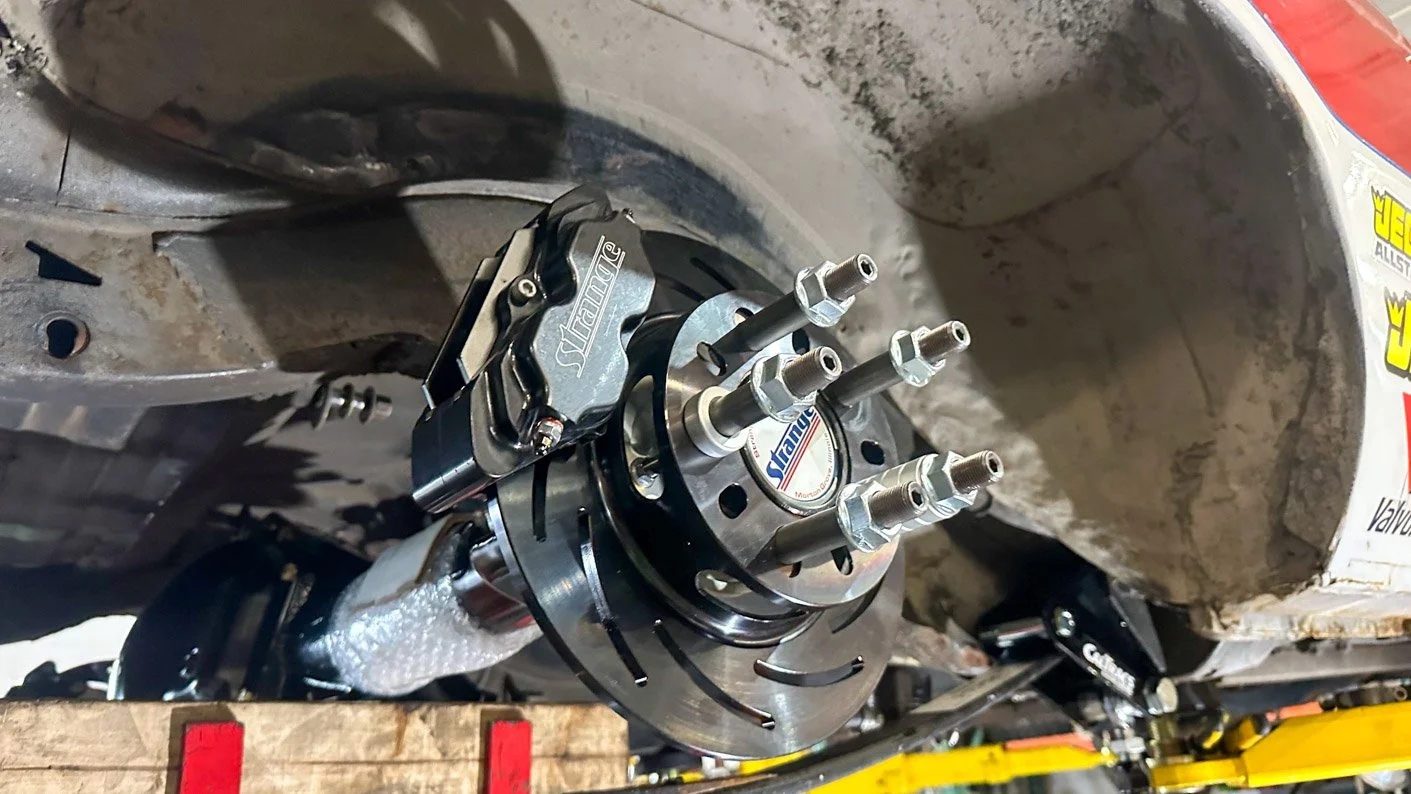
Stopping power followed suit, with a full disc brake conversion, new lines, calipers, and master cylinder—because even a quarter-mile car needs to come back down safely.
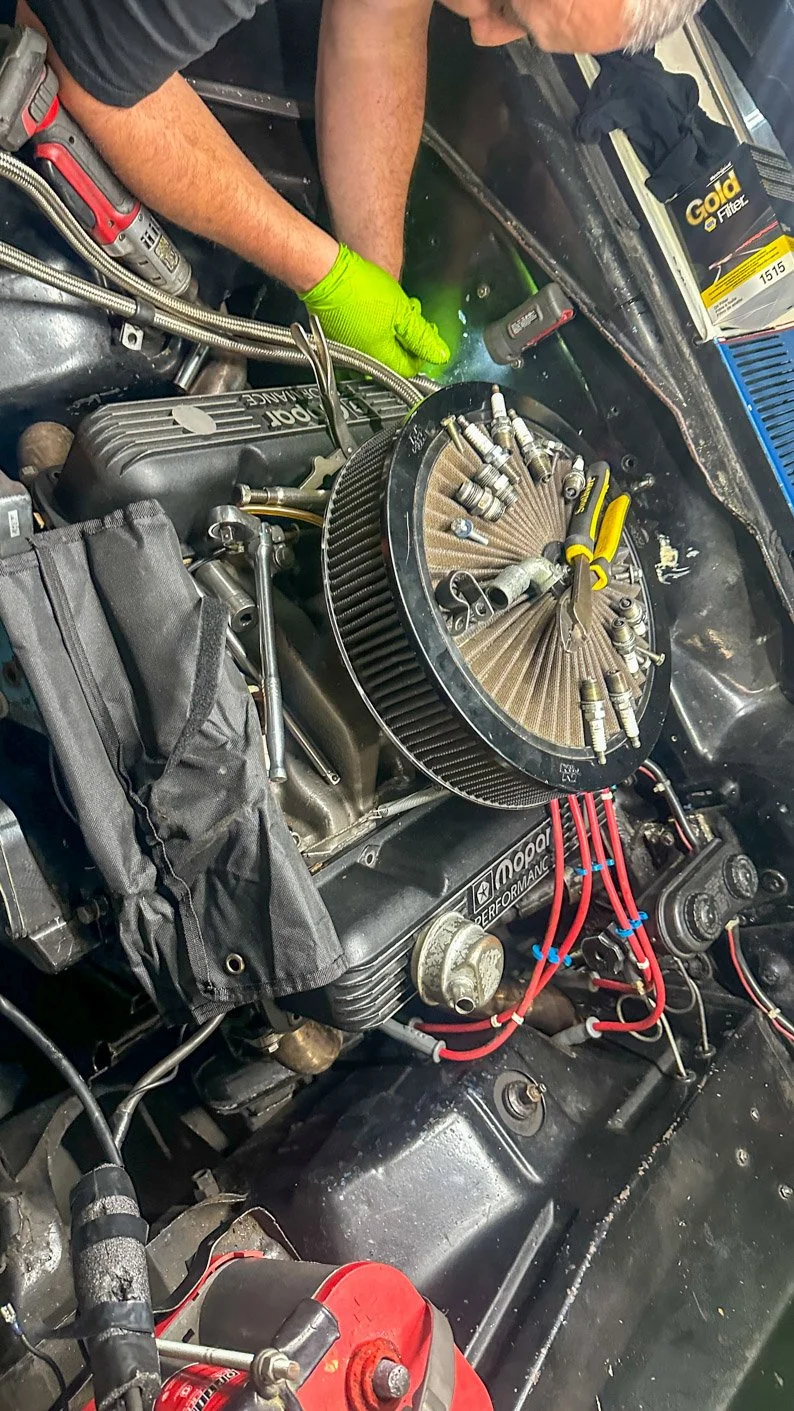
Every system was tested. Then tested again. Fuel, cooling, electrical, drivetrain, clutch engagement—nothing left assumed. The final result is a car that doesn’t pretend to be vintage—it behaves like it just rolled out of a 1969 staging lane, but with the reliability and precision that era never quite had.
Cool Car isn’t restored. It’s rearmed.
Feature Highlights
Complete engine teardown, inspection, and performance rebuild
Replacement and inspection of bearings, pistons, valvetrain, and timing components
Camshaft, crankshaft, and oiling system inspection and correction
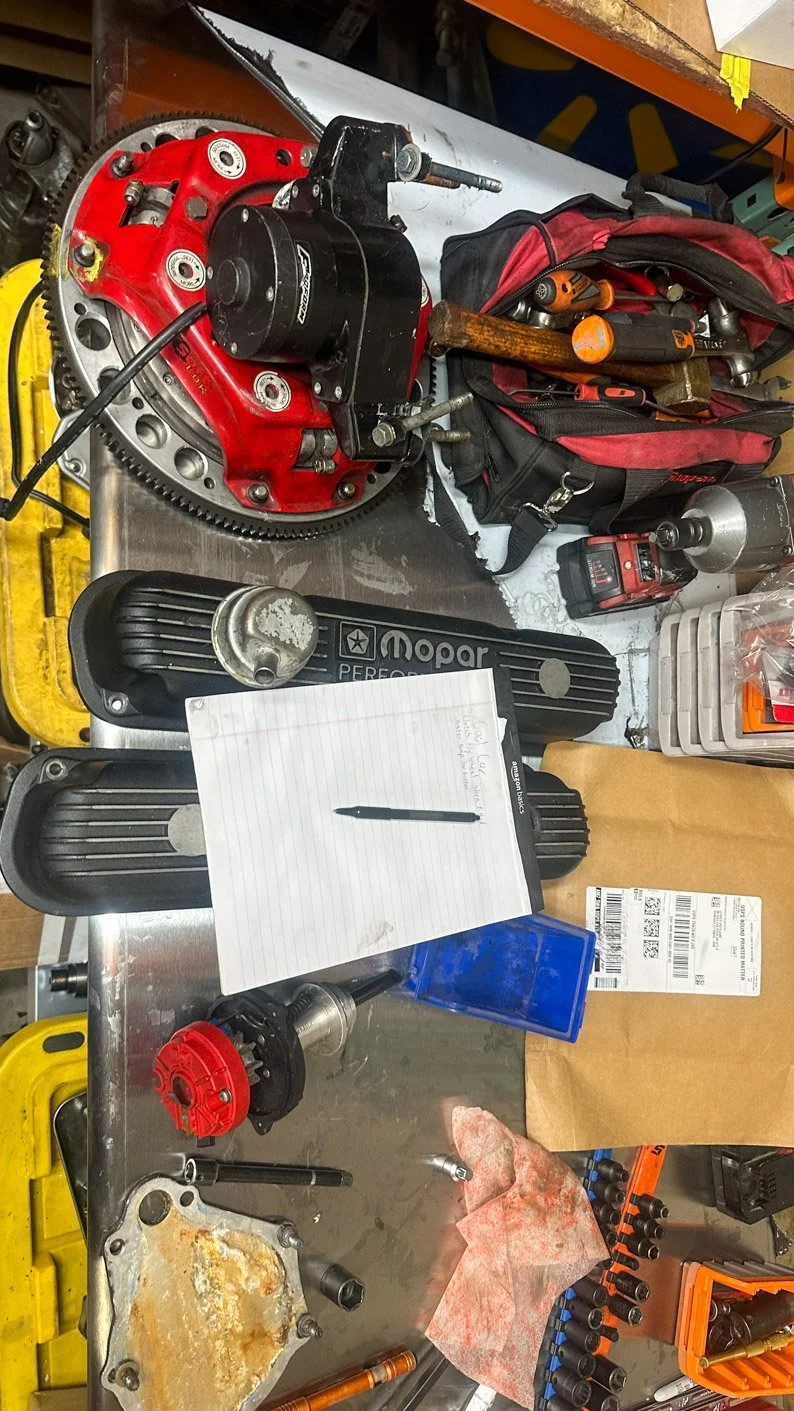
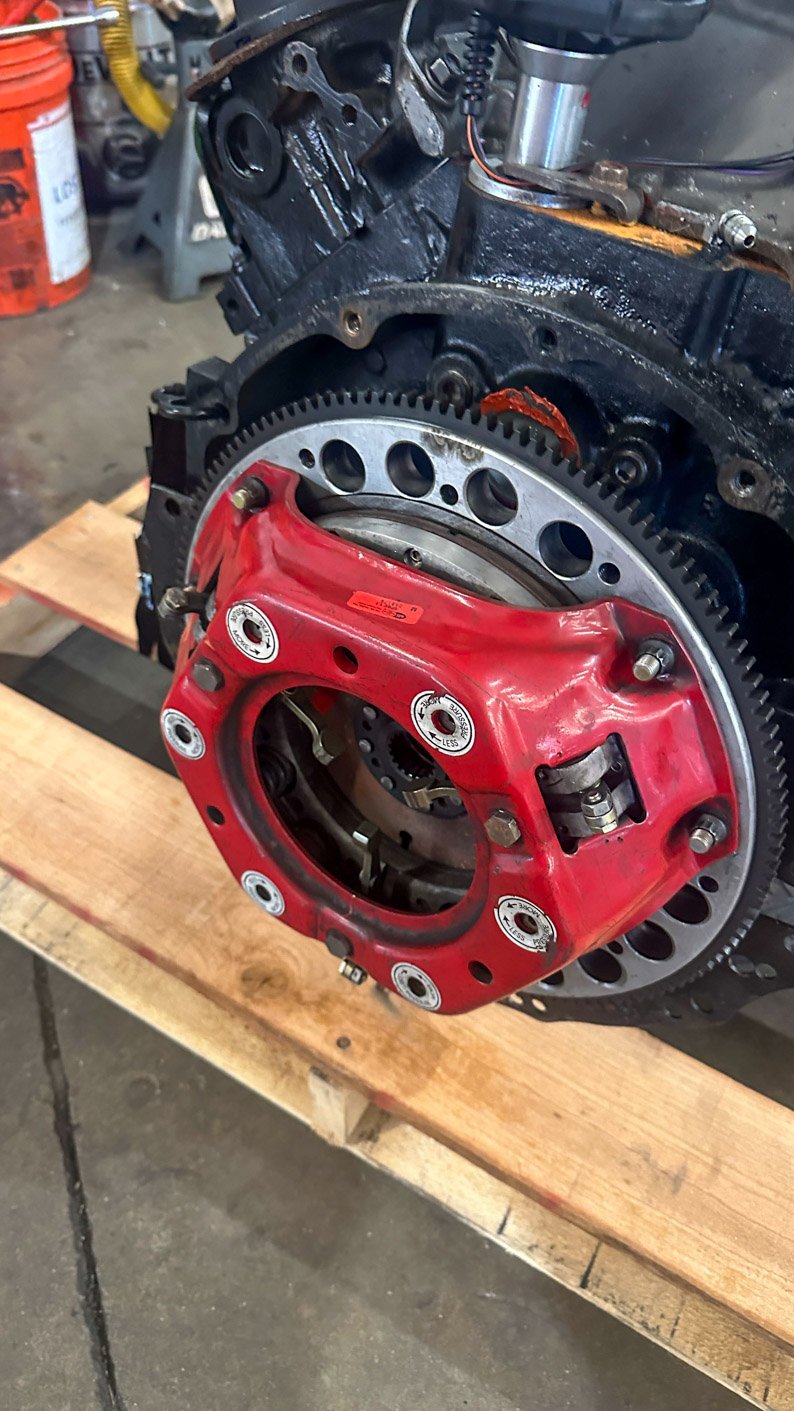
Flywheel modification and new clutch system installation
Bellhousing alignment and certification for performance use
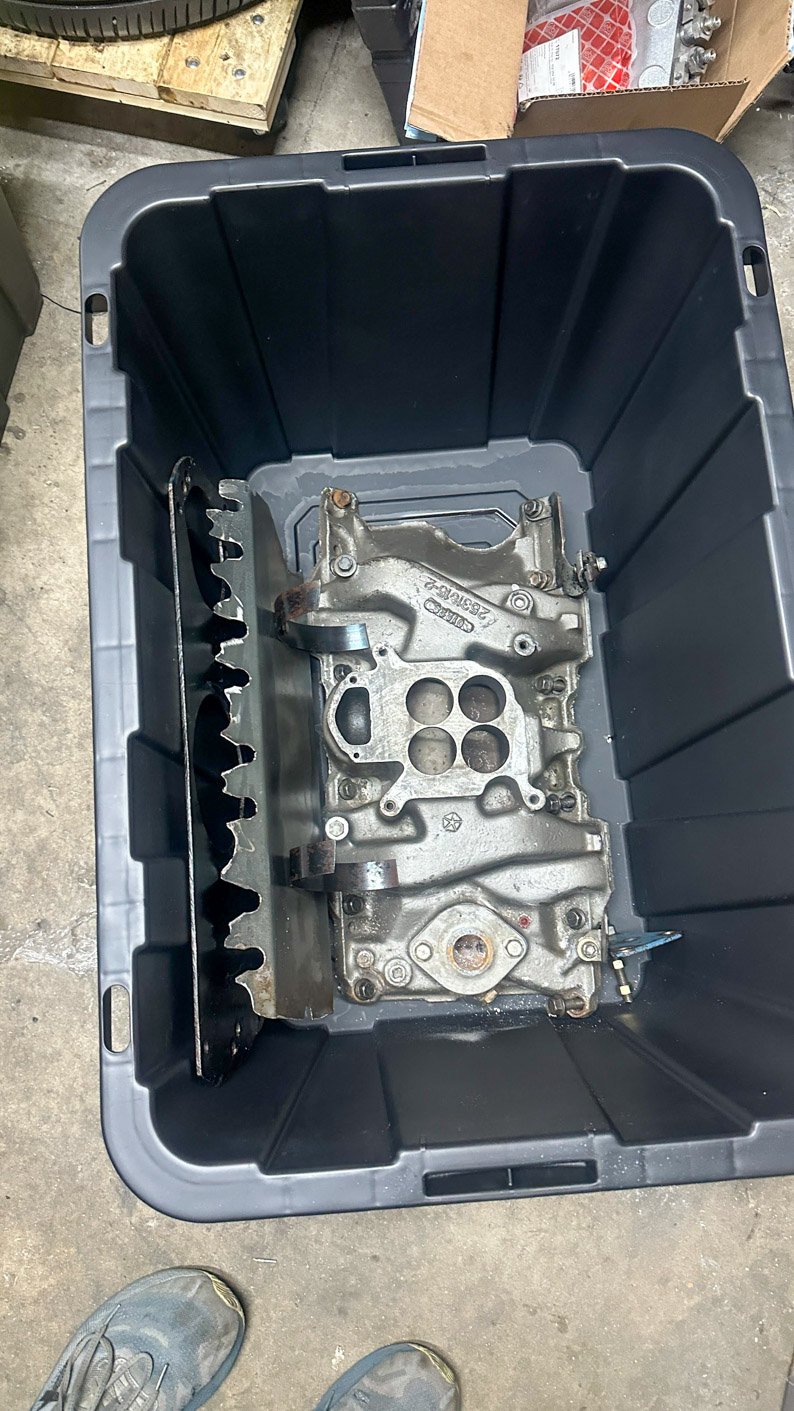
Carburetor installation and throttle linkage calibration
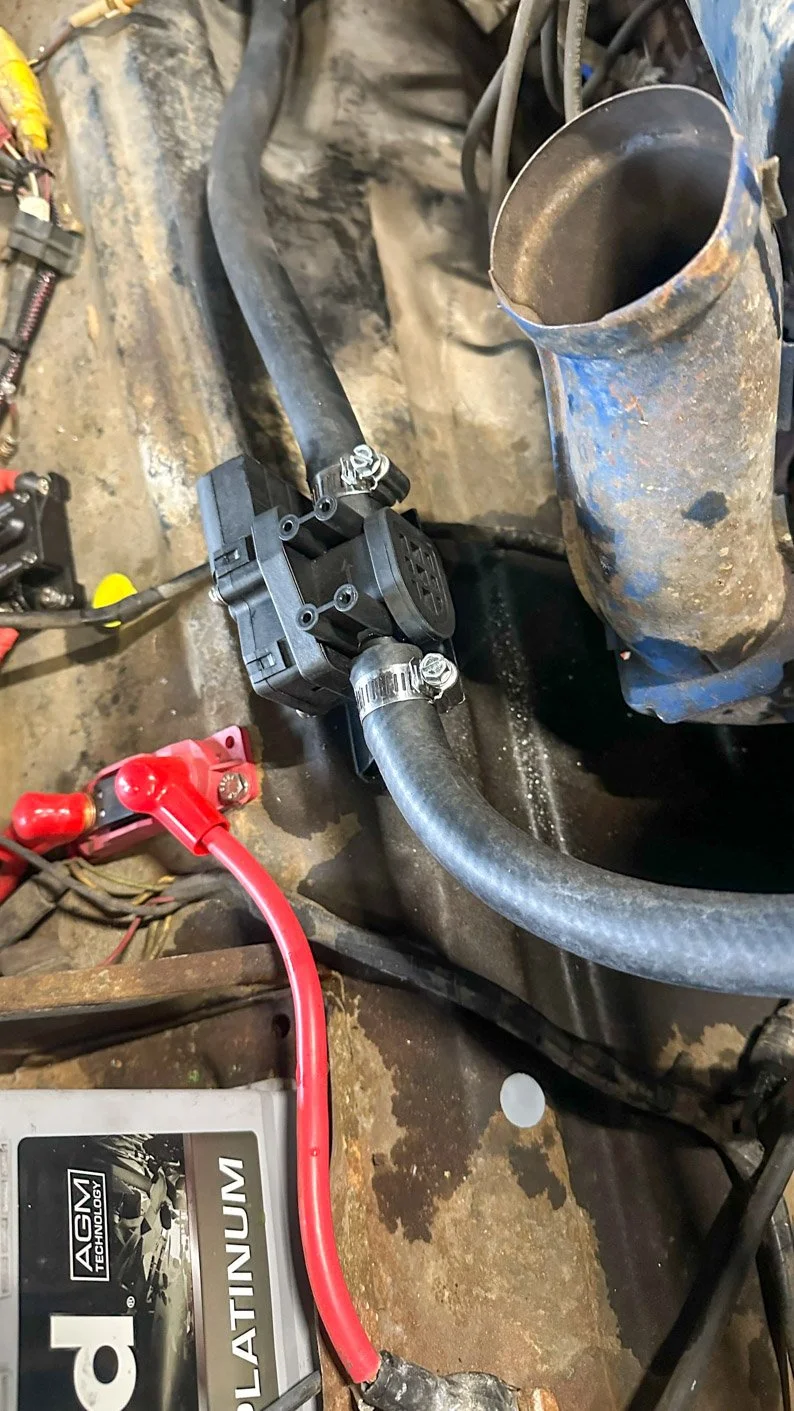
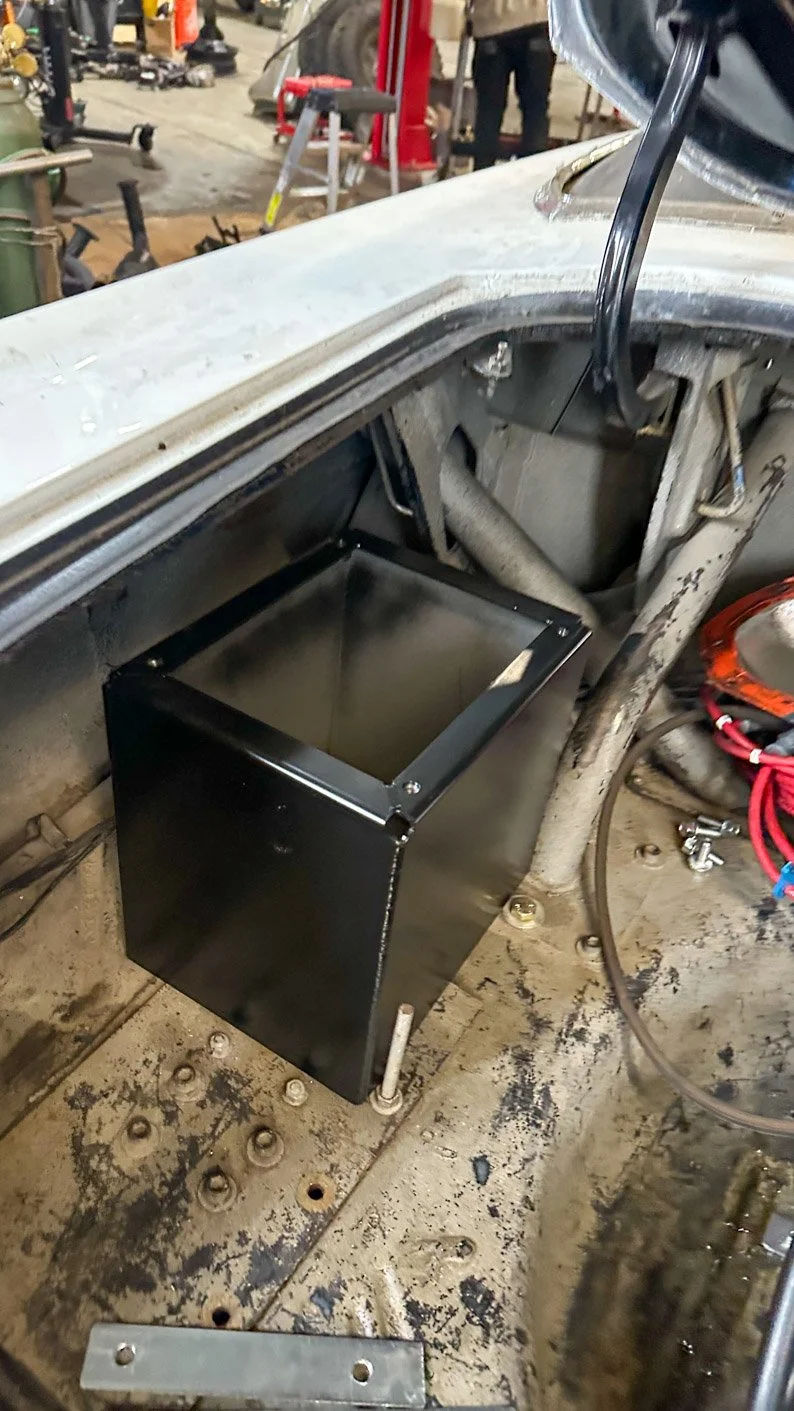
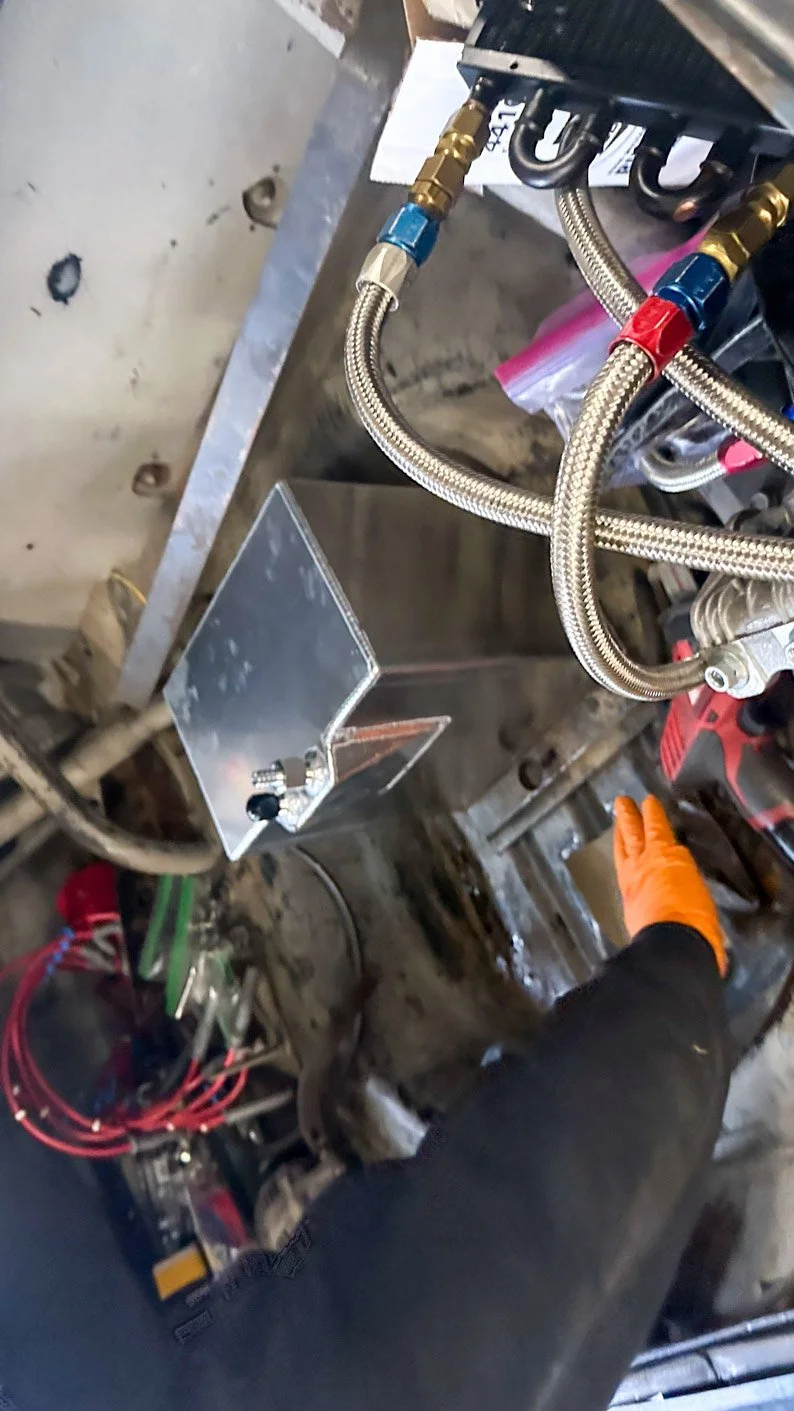
Custom fuel system with rear-mounted fuel cell and venting system
New fuel lines and fuel delivery optimization throughout
Cooling system upgrade with radiator and electric fan
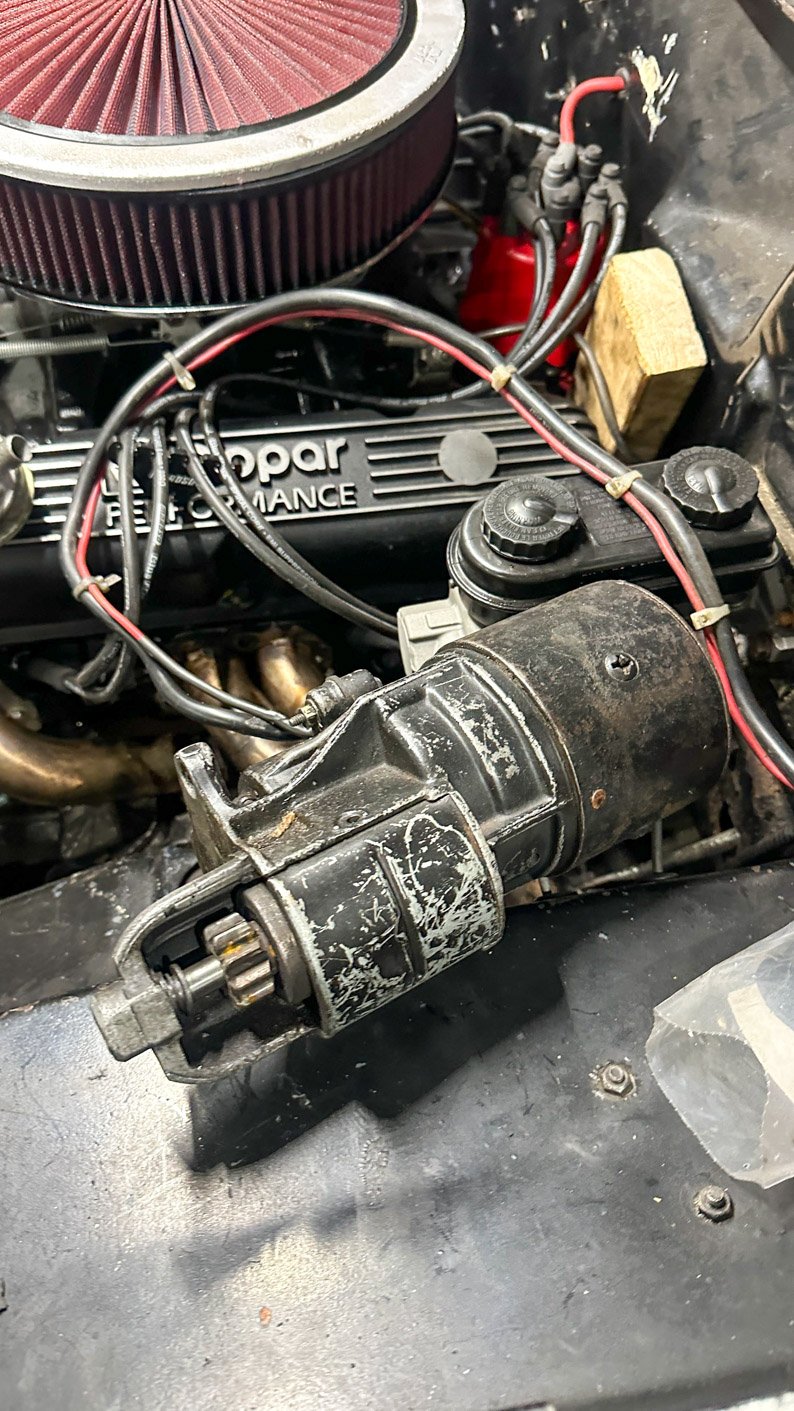
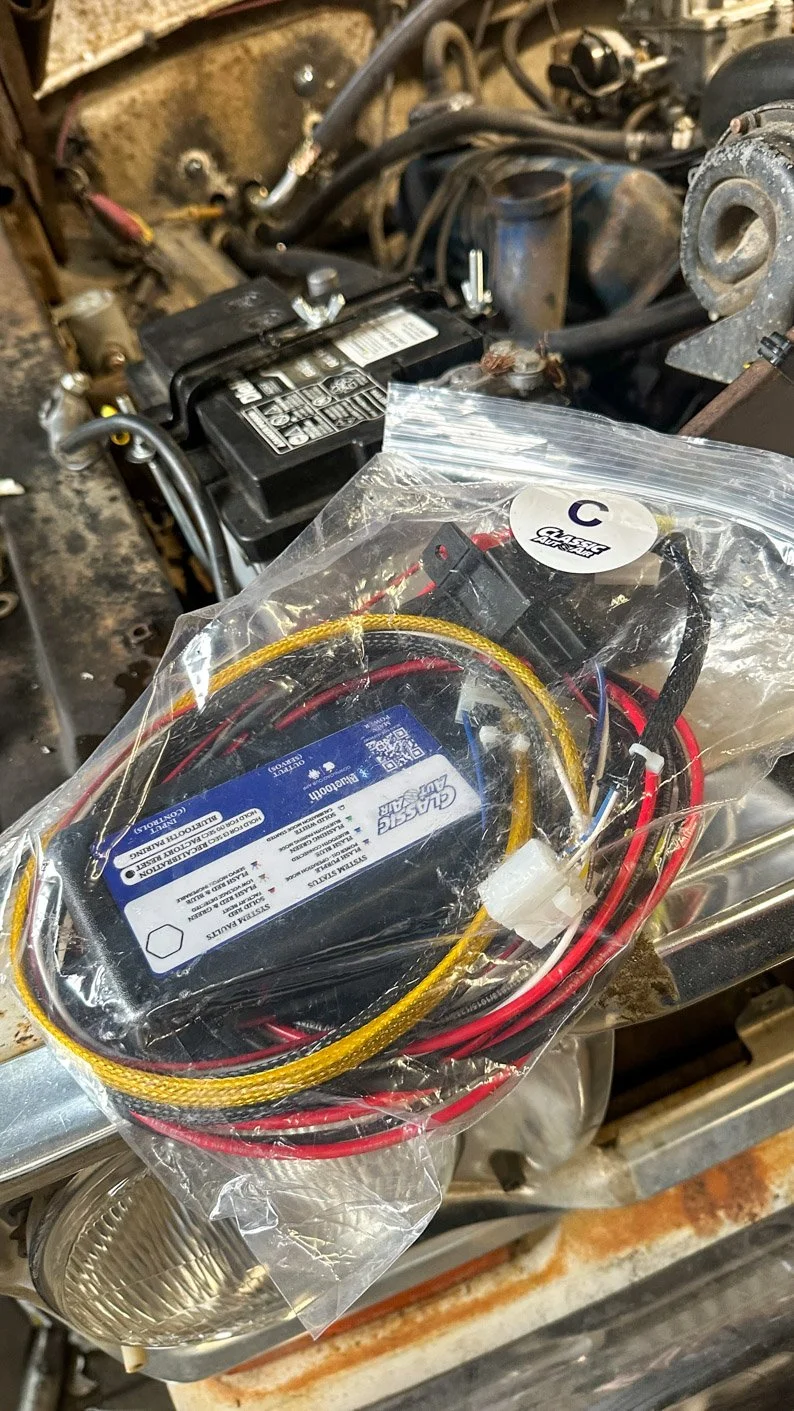
Electrical system refinement including starter, relays, and fan wiring
Full drivetrain alignment and installation including transmission and driveshaft
Transmission teardown, inspection, cleaning, and resealing
Custom motor mount modifications to accommodate performance setup
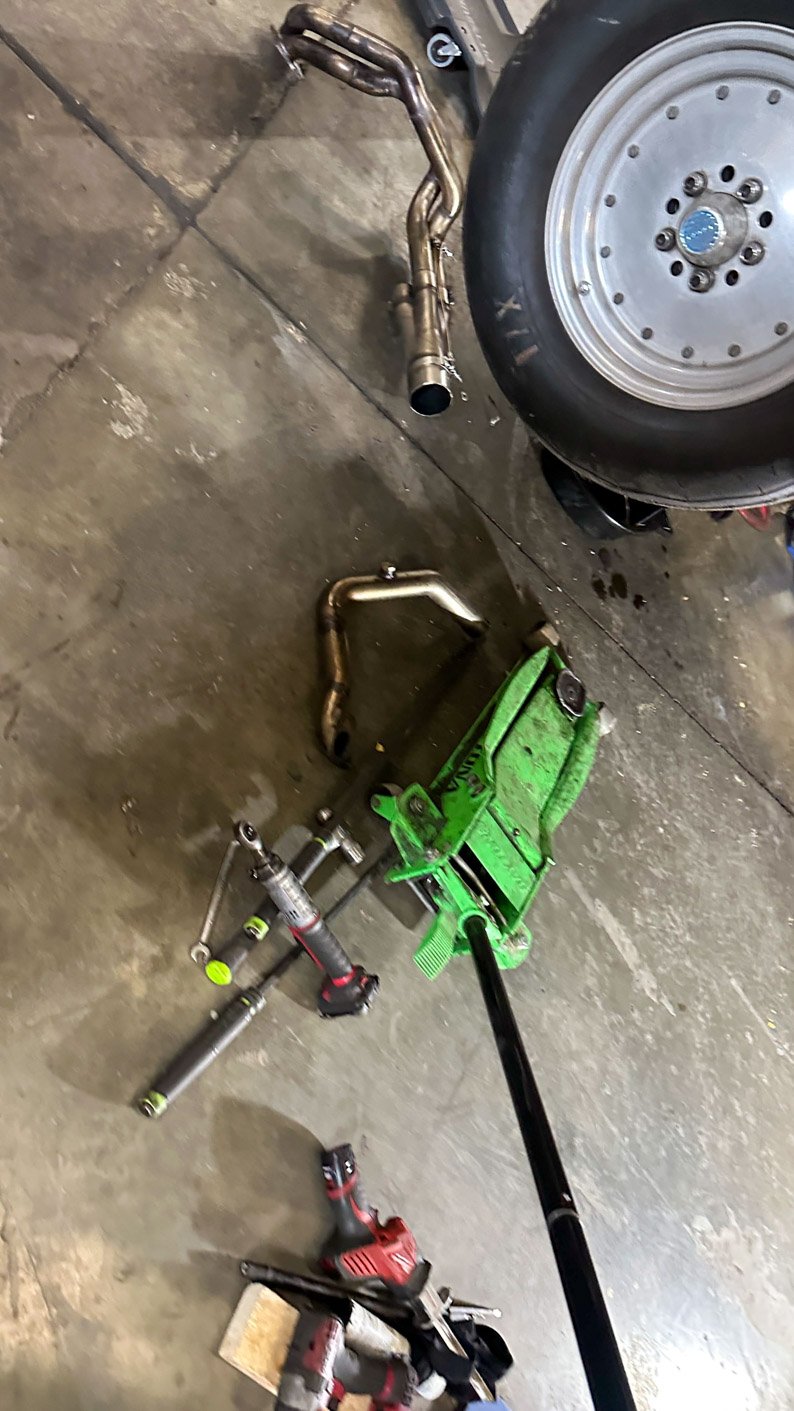
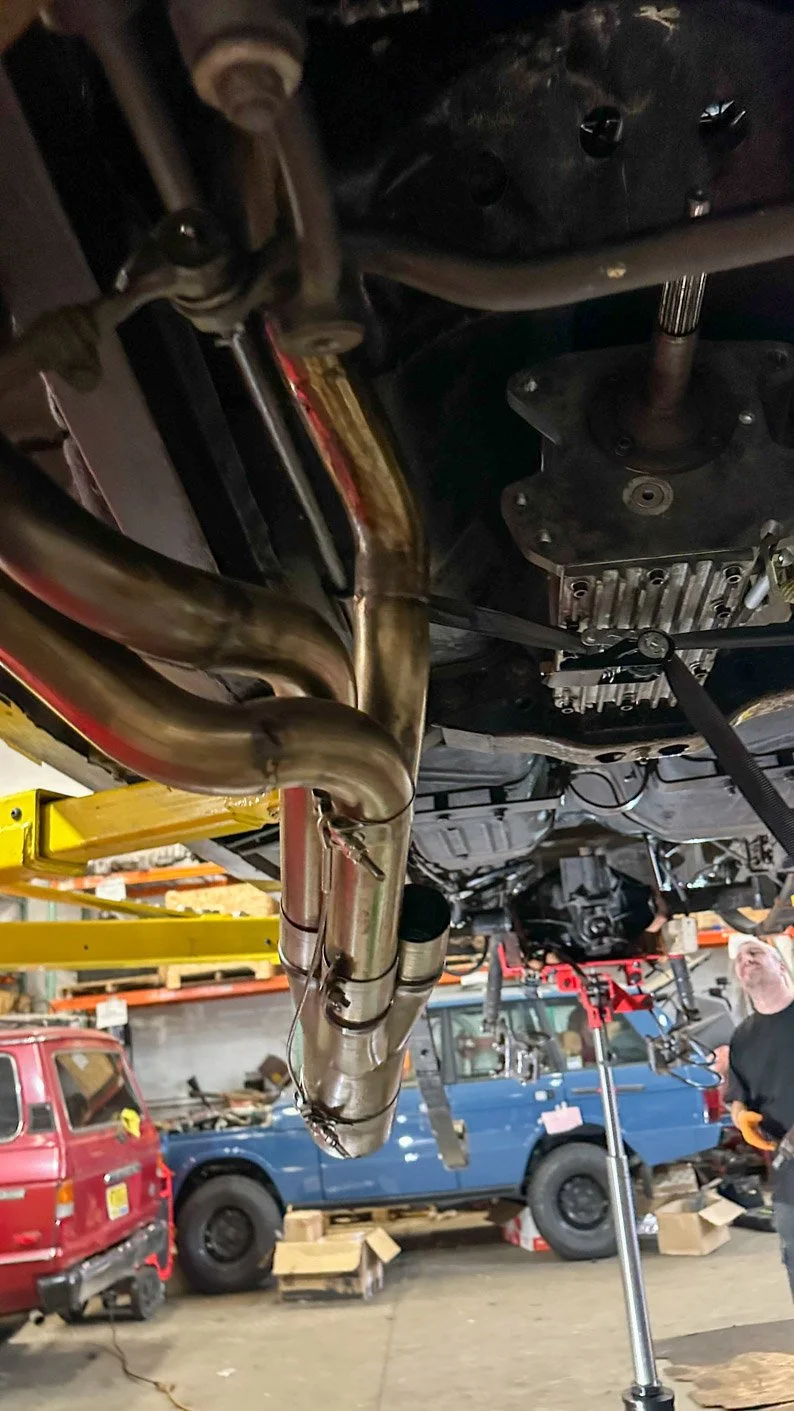
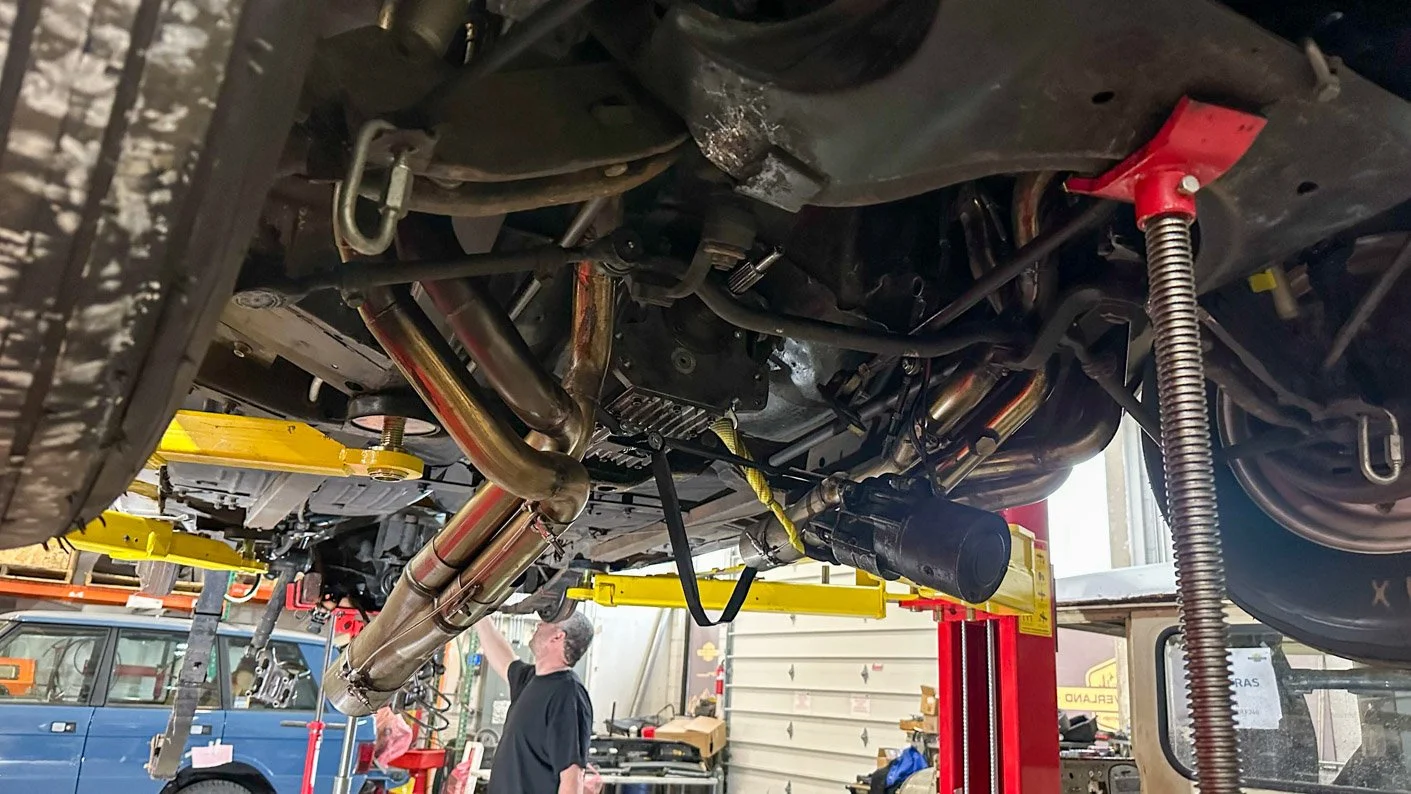
Header installation with extensive clearance work and fitment refinement
Fender well modifications for header and tire clearance
Rear suspension redesign with CalTrac system
Custom leaf spring mounting and preload tuning
Pinion angle measurement and adjustment for optimal traction
Rear differential rebuild and fitment to revised suspension geometry
Driveshaft measurement and fitment for new configuration
Full disc brake conversion (front and rear)
New master cylinder, brake lines, rotors, and calipers
Brake system bleeding, pressure testing, and verification
Chassis lubrication, adjustment, and mechanical baseline setup
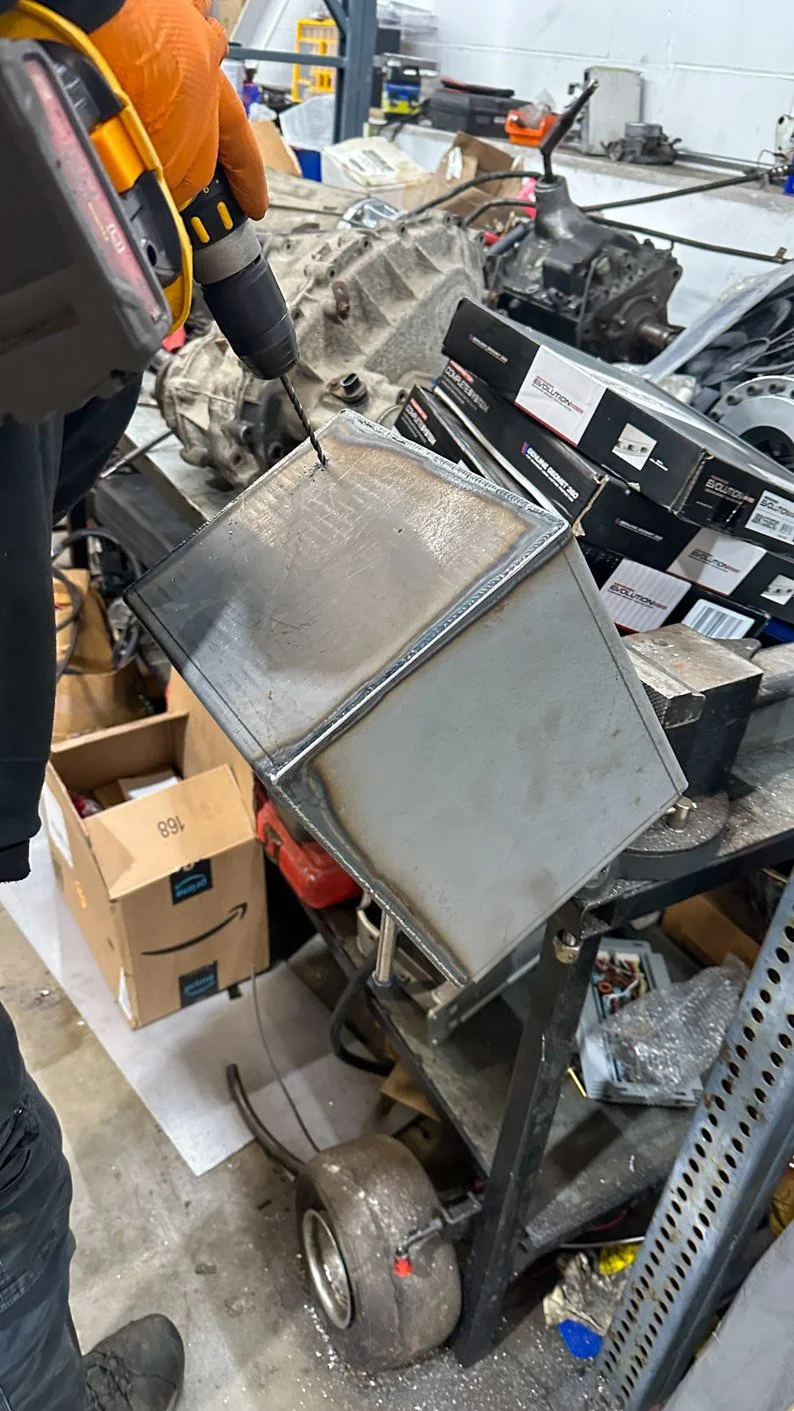
Fabrication work including brackets, mounts, and structural adjustments
Fuel system cleaning, flushing, and testing
Cooling system pressure testing and leak verification
Full-system diagnostics including no-start troubleshooting and resolution
Leak-down testing and engine verification under load
First start procedure with oil pressure validation and system checks
Iterative testing and refinement across all mechanical systems